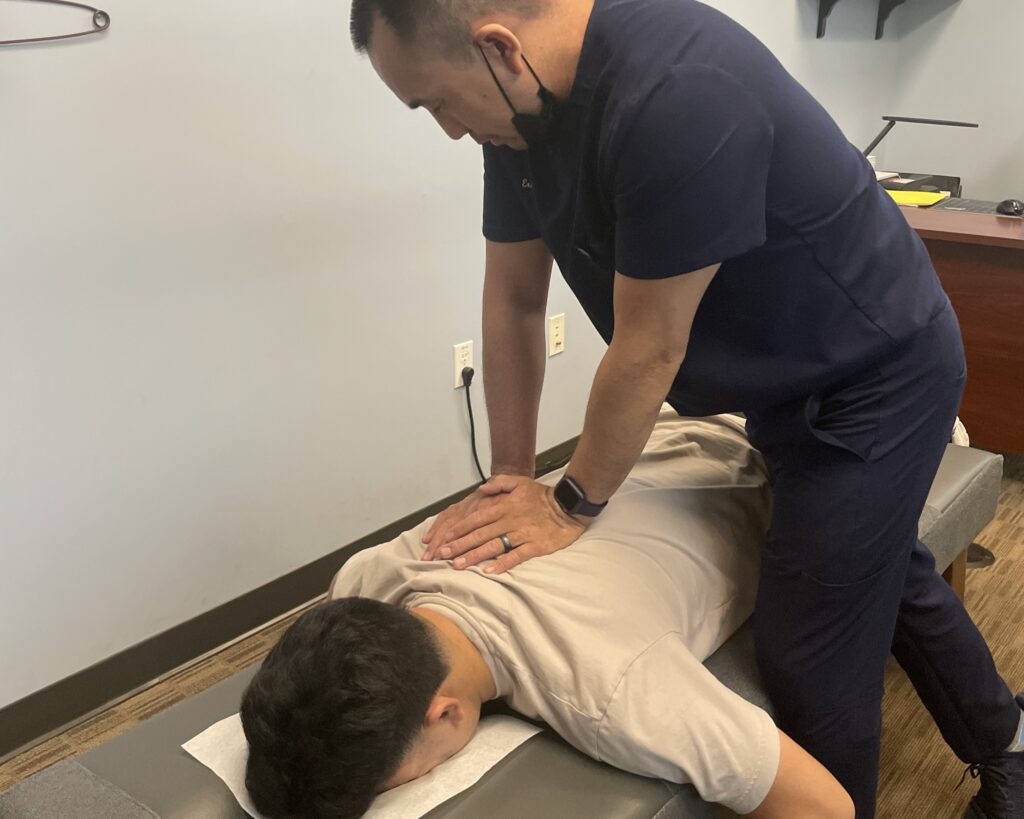
When you experience tension headaches, it can be tempting to grab over-the-counter medications for quick relief. However, this approach often only masks the underlying issues. Instead, consider exploring techniques that not only provide relief but also address the root causes of your headaches, ultimately enhancing your overall well-being.
Chiropractic care stands out as an effective option for managing tension headaches. It focuses on spinal health, which plays a crucial role in your body’s overall function. By ensuring proper alignment of your spine, chiropractic adjustments can help alleviate the tension and stress that contribute to headaches.
In addition to chiropractic care, there are several lifestyle changes and relaxation techniques you can incorporate into your daily routine. Here are some practical tips to help you find relief:
- Regular Chiropractic Adjustments: Visiting your chiropractor regularly can help maintain spinal alignment and reduce the frequency of tension headaches.
- Practice Good Posture: Being mindful of your posture while sitting, standing, and working can significantly reduce neck and back strain, which are common triggers for tension headaches.
- Stay Hydrated: Dehydration can lead to headaches, so make sure you’re drinking plenty of water throughout the day.
- Manage Stress: Incorporate relaxation techniques such as deep breathing, meditation, or yoga into your routine to help manage stress levels.
- Get Adequate Sleep: Ensure you’re getting enough restful sleep each night to help your body recover and reduce headache frequency.
- Take Breaks: If you spend a lot of time at a desk or in front of a screen, take regular breaks to stretch and move around. This can help reduce muscle tension.
- Consider Your Diet: Certain foods can trigger headaches for some people. Keeping a food diary can help you identify any dietary culprits.
By focusing on these techniques and prioritizing chiropractic care, you can achieve lasting improvements in your health and well-being. Remember, it’s not just about finding temporary relief; it’s about cultivating a healthier lifestyle that supports your body in the long run.
Key Takeaways
Why Choose Techniques for Tension Headache Relief?
- Techniques for tension headache relief focus on addressing the root causes, rather than just masking the pain with temporary solutions. As a chiropractor, I believe in healing from the inside out.
- Incorporating relaxation methods, such as deep breathing or gentle stretches, can significantly reduce stress and muscle tension, which are common triggers for tension headaches. These simple practices can easily be integrated into your daily routine.
- Chiropractic care provides a natural, non-invasive approach to headache relief. By realigning the spine, we can help alleviate not only the frequency but also the intensity of headaches. Regular adjustments can keep your body functioning optimally.
- Making lifestyle adjustments—like improving your posture and taking regular breaks from screens—can greatly enhance your overall well-being. These small changes can help prevent future headaches and contribute to a healthier life.
- Mindfulness and self-care practices, such as meditation or taking time for yourself, promote long-term health benefits. By nurturing your mental and physical well-being, you can find sustained relief from tension headaches.
Incorporating these techniques can help you lead a healthier, more balanced life, and chiropractic care is a key part of that journey. Remember, your spine is the foundation of your health, so taking care of it is essential for overall wellness.
Understanding Tension Headaches: Causes and Symptoms
When you experience a tension headache, it’s often a sign that your body is responding to stress, fatigue, or muscle strain. These headaches can feel like a tight band around your head, leading to discomfort that ranges from mild to moderate. You may also notice tightness in your neck and shoulders, which frequently contributes to the pain.
Common triggers for tension headaches include prolonged screen time, poor posture, and lack of sleep. Even skipping meals can sometimes lead to these headaches. You might find that you’re sensitive to light or noise, but these symptoms are typically less severe than those experienced during migraines. Recognizing these patterns is key to understanding what triggers your headaches.
As a chiropractor, I encourage you to take proactive steps to minimize the impact of tension headaches. Here are some helpful tips:
- Posture Awareness: Maintain good posture while sitting, especially during long periods at a desk or while using screens. Keep your head aligned over your shoulders to reduce strain.
- Frequent Breaks: Take regular breaks when working at a computer or engaging in activities that require focus. Stand up, stretch, and move around to relieve tension.
- Stay Hydrated: Drink plenty of water throughout the day. Dehydration can contribute to headaches, so keeping hydrated is essential.
- Balanced Meals: Don’t skip meals! Eating regular, balanced meals helps maintain your energy levels and can prevent headaches.
- Stress Management: Incorporate relaxation techniques such as deep breathing, meditation, or yoga into your daily routine to help manage stress levels.
- Chiropractic Care: Regular chiropractic adjustments can help alleviate tension in your neck and shoulders, improve posture, and promote overall wellness. Chiropractic care addresses the root causes of tension headaches and supports your body’s natural healing process.
The Limitations of Over-the-Counter Medications
While over-the-counter (OTC) medications like ibuprofen or acetaminophen may offer temporary relief for tension headaches, they often fail to address the underlying causes of pain, such as stress, poor posture, or muscle tension.
Instead of merely masking discomfort, it’s essential to consider holistic approaches that target these root issues. Relying too heavily on OTC medications can lead to rebound headaches, which means the pain can return once the medication wears off.
Additionally, long-term use can come with unwanted side effects, including stomach irritation or increased blood pressure. More importantly, frequent usage can diminish the medication’s effectiveness over time, potentially trapping you in a cycle of dependency.
As a chiropractor, I encourage you to explore natural, non-invasive methods for headache relief. Chiropractic care focuses on the health of your spine and nervous system, which plays a crucial role in overall wellness.
By addressing spinal misalignments and muscle tension through adjustments, chiropractic care can help alleviate headache symptoms and promote lasting relief.
Here are some tips to help manage tension headaches naturally:
- Practice Good Posture: Pay attention to your posture, especially if you spend long hours sitting at a desk. Ensure your computer screen is at eye level and take regular breaks to stretch.
- Stay Hydrated: Dehydration can trigger headaches, so make sure you drink enough water throughout the day.
- Manage Stress: Incorporate stress-relief techniques into your routine, such as deep breathing exercises, meditation, or yoga, which can help reduce muscle tension and promote relaxation.
- Get Regular Chiropractic Adjustments: Regular visits to a chiropractor can help keep your spine aligned and reduce tension in the muscles surrounding the neck and shoulders.
- Engage in Regular Exercise: Physical activity helps improve blood flow and reduces stress. Aim for at least 30 minutes of moderate exercise most days of the week.
- Use Heat or Cold Therapy: Applying a warm compress to your neck or a cold pack to your forehead can provide relief from headache pain.
By prioritizing natural healing methods and maintaining a healthy lifestyle, you can find effective ways to manage tension headaches without relying on medications.
Chiropractic care stands out as a powerful option to support your journey to optimal health and wellness.
The Benefits of Relaxation Techniques
Stress is a common trigger for tension headaches, and incorporating relaxation techniques into your daily routine can significantly enhance your overall well-being.
Alongside chiropractic care, these techniques not only help alleviate headache symptoms but also promote a sense of calm and balance in your life. Here are three key benefits you might experience:
1. Reduced Muscle Tension: Practicing relaxation techniques can help release the built-up tension in your muscles, which often contributes to headaches.
Coupling these techniques with regular chiropractic adjustments can further relieve muscle stress and improve spinal alignment, leading to even greater headache relief.
2. Improved Sleep Quality: Regular relaxation can enhance your sleep, making you feel more rested and less prone to stress-related headaches.
Consider integrating gentle stretches or guided breathing exercises into your evening routine to help prepare your body for a restful night. A well-aligned spine can also contribute to better sleep quality, making chiropractic care a valuable addition to your health regimen.
3. Enhanced Focus and Clarity: Taking time to relax allows your mind to clear, enabling you to tackle daily tasks with greater concentration and reduced stress.
Chiropractic care can complement this by ensuring that your nervous system is functioning optimally, which can further enhance mental clarity and focus.
Incorporating these relaxation techniques into your life, alongside regular chiropractic care, can lead to a holistic approach to managing headaches and promoting overall wellness.
The Role of Mindfulness in Pain Management
Mindfulness can be an effective approach to managing pain, especially when combined with chiropractic care. By focusing on the present moment, you can reduce stress and tension that often contribute to discomfort, such as tension headaches. Practicing mindfulness helps you observe your thoughts and feelings without judgment, allowing you to acknowledge pain while preventing it from overwhelming you.
Incorporating mindfulness into your daily routine alongside chiropractic adjustments can enhance your awareness of your body and its signals. Simple techniques like deep breathing or guided meditation can help shift your focus away from pain, promoting a sense of calm and acceptance. When you learn to be present, you’re less likely to dwell on past discomfort or future worries, both of which can contribute to headaches and other pain.
Additionally, regular chiropractic care can help align your spine and improve your overall health, making it easier to practice mindfulness. By addressing the root causes of pain through gentle adjustments, you can experience relief and improve your quality of life.
Embracing mindfulness, along with chiropractic care, empowers you to take control of your pain management naturally. Together, they can provide a holistic approach to wellness, helping you live a healthier, more balanced life.
Physical Therapies for Tension Relief
When it comes to tension headaches, chiropractic care stands out as a powerful approach to finding relief. By addressing the root causes of muscle tension and spinal misalignment, chiropractic adjustments can help you regain comfort and restore your ability to enjoy daily activities without the cloud of pain.
Here are three key strategies, with a special focus on chiropractic care, to consider for tension relief:
- Chiropractic Adjustments: A chiropractor can perform specific adjustments to realign your spine and alleviate pressure in your neck and head. This can significantly reduce the frequency and intensity of tension headaches, allowing for a more enjoyable, pain-free life.
- Posture Improvement: Working with a chiropractor can help you learn how to improve your posture, which is crucial in preventing tension headaches. Simple adjustments in your sitting and standing positions can make a big difference in how your body feels throughout the day.
- Customized Exercise Plans: Chiropractors often recommend tailored stretching and strengthening exercises that can enhance your overall flexibility and resilience. These exercises not only reduce muscle strain but also promote better spinal health, which is essential for long-term relief from tension headaches.
Incorporating chiropractic care into your wellness routine is a natural way to achieve optimal health and well-being.
Lifestyle Adjustments to Prevent Recurrence
To prevent tension headaches from recurring, it’s essential to make some key lifestyle adjustments that can greatly enhance your overall wellness. As a chiropractor, I want to emphasize the importance of maintaining a healthy spine and nervous system, which plays a crucial role in preventing headaches.
First, incorporating stress management techniques such as deep breathing exercises, meditation, or yoga can significantly reduce tension in your body and mind. These practices promote relaxation and can help alleviate the strain that often leads to headaches.
Next, regular exercise is vital for maintaining a healthy body and spine. Activities like walking, swimming, or cycling not only improve circulation but also release endorphins, which are natural pain relievers. Aim for at least 30 minutes of moderate physical activity most days of the week.
Creating an ergonomic work environment is another important step. Ensure that your workstation is set up to support good posture with your computer monitor at eye level, your chair providing lumbar support, and your feet flat on the ground. This can help prevent the muscle tension that often contributes to headaches.
Lastly, consider regular chiropractic care. A chiropractor can help align your spine and address any underlying issues that may be contributing to your tension headaches. Chiropractic adjustments can relieve pressure on the nerves and improve overall function, leading to fewer headaches and better health.
By focusing on these lifestyle changes and prioritizing chiropractic care, you can take proactive steps towards a headache-free life and optimal wellness.
Stress Management Techniques
Managing stress can sometimes feel overwhelming, but by making small lifestyle adjustments, you can significantly reduce the occurrence of tension headaches. As a chiropractor, I believe that natural healing through lifestyle changes is a powerful tool for achieving optimal health.
Here are three effective techniques you can easily incorporate into your daily routine:
- Deep Breathing Exercises: Dedicate a few minutes each day to focus on your breath. Inhale deeply through your nose, hold it for a few seconds, and then exhale slowly through your mouth. This simple practice can help calm your mind, alleviate stress, and promote relaxation, which supports spinal health.
- Mindfulness Meditation: Take a moment to practice mindfulness. Even just five minutes of focusing on the present can help clear your mind of stressors and tension. This practice not only benefits your mental well-being but also supports your overall physical health, including spinal alignment.
- Time Management: Organizing your tasks and setting realistic goals can make a big difference in how you feel. Break down your workload into smaller, manageable steps. This approach can help you avoid feeling overwhelmed and allows for a more balanced life, which is essential for maintaining a healthy spine.
By incorporating these techniques into your routine, you can cultivate a more relaxed state of mind and body.
Regular Exercise Routine
Incorporating regular exercise into your routine can significantly help reduce the frequency and intensity of tension headaches. As a local chiropractor, I want to emphasize the importance of movement in achieving optimal health. When you engage in physical activity, your body releases endorphins, which act as natural painkillers and mood enhancers.
You don’t need to join a gym; even simple activities like walking, yoga, or cycling can be quite effective. Aim for at least 30 minutes of moderate exercise most days of the week.
Regular physical activity not only helps alleviate headaches but also supports your overall well-being and spinal health. Keeping your body active promotes better circulation and reduces muscle tension—two factors that can contribute to tension headaches.
Additionally, establishing a consistent exercise schedule can be a powerful way to manage stress, which is a key trigger for these types of headaches.
Remember, chiropractic care can also play an essential role in your wellness journey. Regular adjustments can help align your spine, improve your posture, and enhance your body’s ability to function optimally.
Together with exercise, chiropractic care can provide a holistic approach to pain relief and natural wellness.
So, make it a priority to move your body regularly and consider incorporating chiropractic visits into your routine. You’ll likely notice not only fewer headaches but also an enhanced quality of life.
Take care of your body, and it will take care of you!
Ergonomic Work Environment
Creating an ergonomic work environment is crucial for maintaining your overall health and wellness, especially when you spend long hours at a desk. By making a few simple adjustments, you can significantly reduce strain and discomfort, which can lead to tension headaches and other issues.
As a chiropractor, I believe that these changes can complement your journey toward optimal health and natural healing.
- Chair Height: Ensure your chair is adjusted so that your feet rest flat on the ground, with your knees aligned at hip level. This position supports your spine and promotes better posture, which is vital for spinal health.
- Monitor Position: Your monitor should be at eye level and about an arm’s length away. This helps avoid unnecessary neck strain, allowing your spine to maintain its natural curve. Remember, a well-aligned spine is key to preventing headaches and discomfort.
- Keyboard and Mouse Placement: Keep your keyboard and mouse close to your body. Make sure your wrists are straight and your elbows form a 90-degree angle. This alignment helps reduce strain on your arms and neck, further supporting your spinal health.
By incorporating these ergonomic adjustments into your workspace, you can alleviate tension and enhance your overall comfort.
This proactive approach not only promotes better posture but also reduces the likelihood of experiencing tension headaches.
Creating a Personalized Relief Plan
How can you create a relief plan that seamlessly fits your lifestyle and needs? Start by identifying your headache triggers. Keeping a journal to note when your tension headaches arise and any potential causes can reveal valuable patterns and insights into what might be affecting you.
Next, examine your daily routine. Incorporate relaxation techniques that are easy to fit into your day, such as deep breathing or mindfulness exercises. Physical activity is also crucial; simple stretches or a short walk can significantly alleviate tension and contribute to better spinal health.
Chiropractic care is an excellent option to explore for headache relief. Regular adjustments can help improve spinal alignment and reduce tension in the body, which may lead to fewer headaches over time. Working with a chiropractor can provide personalized strategies that target your specific issues without the need for medications or invasive procedures.
Don’t overlook the importance of self-care in your plan. Ensure you’re taking regular breaks throughout your day, staying hydrated, and getting enough sleep.
Conclusion
Incorporating chiropractic techniques for tension headache relief can significantly enhance your overall well-being. By understanding the root causes and symptoms of your headaches, you can address them more effectively. While many people may turn to over-the-counter medications for quick relief, chiropractic care offers a natural and holistic approach that targets the underlying issues.
Chiropractic adjustments can help realign your spine, reduce muscle tension, and improve blood flow, all of which can alleviate headache pain. Additionally, integrating relaxation techniques and mindfulness practices into your routine can further support your healing journey. Simple lifestyle adjustments, such as maintaining good posture, staying hydrated, and incorporating regular physical activity, can also prevent future headaches.
By creating a personalized plan that includes chiropractic care, you’ll not only find relief from current discomfort but also promote healthier habits for a more balanced, pain-free life. Remember, chiropractic care is a safe and effective choice for achieving optimal health and wellness without the need for medications or surgeries. Prioritize your spinal health, and experience the difference it can make in your life!