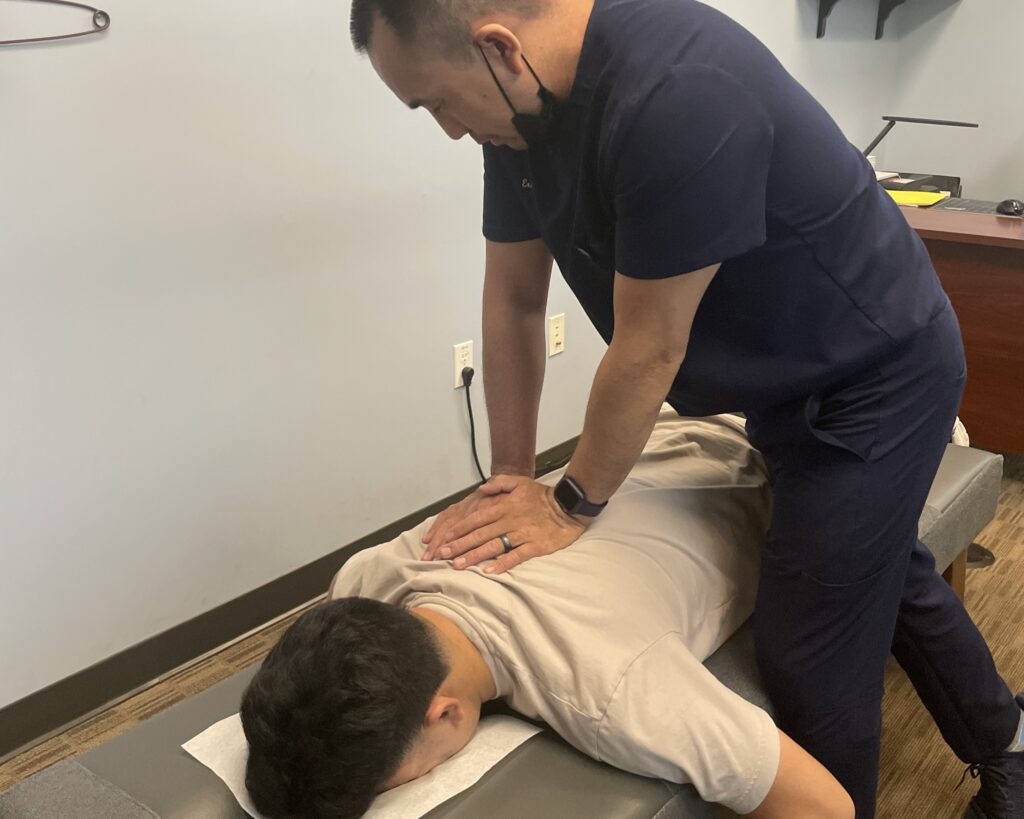
As a local chiropractor, I want to reassure you that if you’re experiencing lower back pain, you’re not alone—many individuals face this challenge. It’s important to understand that there are effective, natural ways to find relief without relying solely on medication. By incorporating some straightforward yet powerful strategies into your routine, you can significantly enhance your quality of life.
For instance, making simple adjustments to your posture can have a profound impact on your back health. Additionally, there are specific exercises tailored to strengthen your core and support your spine effectively. These approaches not only help alleviate pain but also promote overall well-being.
I encourage you to explore these tips as part of your journey to recovery, and remember that chiropractic care can be a valuable resource in regaining comfort and mobility in your daily activities. Together, we can work towards a healthier, pain-free life.
Maintain Good Posture
As a local chiropractor, I want to emphasize the importance of maintaining good posture, whether you’re sitting or standing. Proper posture is crucial for reducing strain on your lower back and can significantly enhance your overall well-being. When your body is aligned correctly, it supports the natural curve of your spine, allowing weight to be distributed evenly across your body.
On the other hand, slouching or leaning can create undue pressure, leading to discomfort and pain.
When you sit, ensure your feet are flat on the ground and your knees are at hip level. If you’re standing, distribute your weight evenly on both feet. Engaging your core muscles can provide additional support for your spine.
Furthermore, it’s important to set up your workspace ergonomically; for instance, your computer screen should be at eye level to help you avoid hunching over.
Being conscious of your posture throughout the day can have a remarkable impact on your health. I recommend setting reminders to check your alignment, especially if you find yourself sitting for prolonged periods.
Remember, good posture isn’t just about feeling comfortable; it plays a vital role in preventing and managing lower back pain, which is where chiropractic care can also be beneficial.
Incorporate Stretching Exercises
As a local chiropractor, I want to share the significant benefits of incorporating stretching exercises into your daily routine, especially if you’re experiencing lower back pain.
These simple yet effective stretches can enhance your flexibility and are instrumental in strengthening the muscles that support your spine, ultimately leading to better posture and reduced discomfort.
Let’s discuss some recommended stretches that can aid in your recovery and how frequently you should perform them to achieve optimal results.
By making stretching a regular part of your life, you can take an active role in your healing process and improve your overall well-being.
Benefits of Stretching
As a local chiropractor, I often see patients who may not fully understand the importance of stretching in their daily lives. It’s an essential practice that can significantly alleviate lower back pain and enhance your overall flexibility.
When you take the time to stretch, you’re increasing blood flow to your muscles, which not only helps promote healing but also reduces stiffness.
Incorporating regular stretching into your routine can help lengthen tight muscles, which is crucial for improving your posture and supporting your spine. This simple practice can relieve tension in your lower back and enhance your range of motion in everyday activities, making a noticeable difference in how you feel throughout the day.
Moreover, stretching plays a vital role in reducing the risk of future injuries by helping to maintain muscle elasticity. It’s a straightforward yet powerful way to foster a healthier back and enhance your overall well-being.
I encourage you to make stretching a priority in your recovery journey; your back will truly thank you for it! Remember, a little effort goes a long way in promoting natural healing and maintaining your physical health.
Recommended Stretches
As a local chiropractor dedicated to helping you understand the benefits of chiropractic care and natural healing, I want to share some effective stretches that can help alleviate lower back pain.
These stretches are designed to target the muscles that support your spine and promote overall flexibility. Here are four that I recommend:
- Knee-to-Chest Stretch: Begin by lying flat on your back. Gently pull one knee toward your chest and hold this position for 20-30 seconds. Afterward, switch to the other leg. This stretch helps to release tension in your lower back.
- Cat-Cow Stretch: Position yourself on all fours, with your hands under your shoulders and knees under your hips. Slowly alternate between arching your back upwards (like a cat) and dipping it downwards (like a cow). Spend about 1 minute moving through this stretch to improve your spine’s flexibility.
- Seated Forward Bend: Sit down with your legs extended straight in front of you. Inhale deeply, then reach toward your toes as you exhale. Hold this stretch for 20-30 seconds. It not only stretches your lower back but also helps to calm your mind.
- Child’s Pose: Start by kneeling on the floor. Sit back on your heels and stretch your arms forward, allowing your forehead to rest on the mat. Hold this position for 30 seconds. This gentle stretch provides relaxation for your back and can help relieve any built-up tension.
By incorporating these stretches into your daily routine, you can ease tension in your muscles and support your recovery process.
Stretching Frequency Guidelines
As a local chiropractor, I want to emphasize the importance of regular stretching as a vital part of your journey to manage lower back pain and enhance your overall well-being.
I recommend that you incorporate stretching into your routine at least three to four times a week. Each stretching session should include dynamic stretches such as knee-to-chest stretches or seated hamstring stretches. Aim to hold each stretch for about 20 to 30 seconds, and repeat it two to three times to get the most benefit.
It’s crucial to listen to your body during this process. If you experience tightness or discomfort, don’t hesitate to adjust the frequency or intensity of your stretches.
I also encourage you to consider adding gentle stretches to your daily routine, especially after sitting for long periods or following physical activities. Consistency is essential—making stretching a regular part of your daily life will significantly improve your flexibility, alleviate tension, and support your recovery efforts.
Strengthen Core Muscles
As a local chiropractor, I’m here to help you understand the importance of building a strong core for alleviating lower back pain and preventing future issues.
It’s important to know that your core encompasses not just your abdominal muscles, but also the muscles in your back, hips, and pelvis. Strengthening these areas can significantly improve your overall well-being.
Here are some effective exercises that I often recommend to my patients:
- Planks: Start by holding a plank position for 20-30 seconds. This exercise engages multiple muscle groups and helps build endurance. As you gain strength, gradually increase your hold time.
- Bridges: To perform this exercise, lie on your back with your knees bent. Lift your hips towards the ceiling while squeezing your glutes. This movement not only strengthens your core but also activates your lower back and hip muscles. Hold for a few seconds before lowering.
- Bird-Dogs: Get into an all-fours position and extend one arm while simultaneously extending the opposite leg. This exercise promotes stability and coordination while keeping your core engaged. Alternate sides to work both sides of your body effectively.
- Dead Bugs: Lie on your back with your arms and legs raised towards the ceiling. Lower one arm and the opposite leg while keeping your core tight, then switch sides. This exercise is great for enhancing core control and coordination.
Incorporating these exercises into your routine can help stabilize your spine and reduce discomfort.
Remember, consistency is key for achieving long-term relief and improving your overall health!
If you have any questions or would like personalized guidance, feel free to reach out for more information on how chiropractic care can support your journey to a stronger core.
Use Heat and Cold Therapy
As a local chiropractor, I want to share some valuable insights on managing lower back pain through heat and cold therapy. Many of my patients have found these techniques to be incredibly beneficial in their journey towards healing and relief.
Heat therapy is fantastic for relaxing tight muscles and enhancing blood circulation in the affected area. When you apply heat, it can help soothe discomfort and promote healing by increasing the flow of oxygen and nutrients to the muscles. This can be particularly helpful if you’re experiencing muscle stiffness or tension.
On the other hand, cold therapy is equally important, especially when it comes to reducing inflammation and numbing sharp pain. Applying cold packs can constrict blood vessels, which helps minimize swelling and can provide immediate relief from acute pain.
In my practice, I often recommend combining these therapies for optimal results. For instance, you might start with cold therapy to tackle inflammation and switch to heat therapy to relieve muscle tension afterward.
To get the most out of these therapies, here are a few application tips:
- For heat, consider using a heating pad or warm towel, and apply it for about 15-20 minutes at a time.
- For cold therapy, use a cold pack or a bag of ice wrapped in a cloth, applying it for 10-15 minutes to avoid skin damage.
Benefits of Heat Therapy
As a local chiropractor dedicated to your well-being, I want to share how incorporating heat therapy into your recovery routine can significantly reduce lower back pain. Many patients are unaware of the powerful benefits heat therapy offers, so let’s explore how it can aid your healing process:
- Increased Blood Flow: Heat therapy enhances circulation, which is crucial for delivering vital nutrients and oxygen to the affected areas of your lower back. This improved blood flow can accelerate healing and reduce inflammation.
- Muscle Relaxation: One of the most immediate benefits of applying heat is the relaxation of tense muscles. By soothing these muscles, you can effectively reduce stiffness and discomfort, making it easier to carry out daily activities.
- Pain Relief: Heat therapy works by stimulating sensory receptors in your skin, which can diminish the perception of pain. This natural pain relief is a gentle alternative to medication and can provide you with much-needed comfort.
- Improved Flexibility: When your muscles are warmed up, they become more pliable. This increased flexibility can enhance your range of motion, making it easier for you to move and engage in physical activities without restrictions.
By understanding these benefits, you can make informed choices about your recovery and take an active role in your healing process.
I encourage you to consider heat therapy as part of your journey toward a pain-free life.
Benefits of Cold Therapy
As a local chiropractor, I want to share an important aspect of managing lower back pain that many people may not be familiar with: cold therapy. While heat therapy is often recognized for its benefits, incorporating cold therapy into your recovery routine is just as crucial.
Cold therapy helps reduce inflammation and numbs soreness, providing immediate relief that can make a significant difference in your comfort levels. When you apply cold to the affected area, it constricts blood vessels, which can help minimize swelling and ease those pesky muscle spasms.
This is particularly beneficial for our patients, as it allows for quicker recovery by decreasing metabolic activity in the area that’s causing discomfort. Many of my patients find that using cold packs not only alleviates pain but also enhances their ability to engage in daily activities without discomfort.
It’s also worth mentioning that alternating between heat and cold therapies can amplify the benefits of both methods. This balanced approach to pain management can lead to even greater relief and improved mobility.
Application Techniques and Tips
As your local chiropractor, I want to share some valuable insights on how to incorporate both heat and cold therapy into your recovery routine for lower back pain relief. Understanding these methods can significantly enhance your healing process. Here are some effective techniques and tips:
- Cold Packs: Applying a cold pack for 15-20 minutes can be very beneficial, especially after physical activity. This technique helps reduce inflammation and numbs the area, providing immediate relief.
- Heat Pads: On the other hand, using a heating pad for 15-30 minutes can work wonders for relaxing tight muscles and improving blood circulation. This warmth can soothe discomfort and promote healing.
- Alternate Therapy: For optimal results, consider alternating between heat and cold every 20 minutes. This method can enhance the overall effectiveness of your treatment, allowing your body to respond to both therapies.
- Protect Your Skin: It’s essential to prioritize your skin’s health. Always use a cloth barrier between the heat or cold source and your skin to prevent irritation or burns from direct contact.
By integrating these techniques into your routine, you can support your recovery journey and improve your overall well-being.
Stay Active With Low-Impact Activities
As a local chiropractor, I want to emphasize the importance of staying active as a vital part of your recovery from lower back pain. Engaging in low-impact activities is particularly beneficial, as they allow you to maintain your fitness while minimizing strain on your body. Activities such as walking, swimming, and cycling are excellent choices that can help you stay active without putting excessive pressure on your back.
Aim for at least 30 minutes of these activities most days, and always listen to your body—it’s important to adjust your routine as needed.
In addition to these activities, incorporating gentle stretching exercises can greatly aid your recovery. Stretching enhances flexibility and alleviates muscle tension in your back. Just be sure to warm up before stretching to prevent any injuries.
I also recommend considering a gentle yoga or Pilates class. These practices not only help strengthen your core but also promote better posture, which is crucial for back health.
Before you start any new exercise program, especially while recovering from an injury, please consult with your healthcare provider or a chiropractor. By staying consistent with low-impact activities, you’ll be supporting the healing process of your lower back and regaining strength effectively.
Practice Mindfulness and Relaxation Techniques
As a local chiropractor, I want to share how practicing mindfulness and relaxation techniques can significantly benefit those dealing with lower back pain.
Many of my patients have found that incorporating methods such as breathing exercises, guided imagery, and meditation into their daily routines not only helps alleviate stress but also provides considerable pain relief.
These practices empower you to take charge of your discomfort and enhance your overall well-being.
Breathing Exercises Benefits
As a local chiropractor dedicated to helping my patients navigate their health challenges, I understand that managing lower back pain can often feel daunting.
However, I want to share with you an effective and natural approach to support your recovery: breathing exercises. Integrating these simple techniques into your daily routine can make a significant difference in how you feel and function.
Here are some benefits of practicing breathing exercises that I encourage my patients to explore:
- Reduces Stress: Deep breathing activates your body’s relaxation response, effectively lowering your stress levels. This can be particularly beneficial for those experiencing discomfort or tension in the lower back.
- Improves Posture: When you breathe properly, you naturally promote better alignment of your spine. This not only supports your back but also minimizes the strain that can lead to pain.
- Enhances Blood Flow: Breathing exercises increase oxygen flow throughout your body. This nourishment helps your muscles recover more efficiently, which is vital for healing and reducing pain.
- Promotes Mindfulness: By focusing on your breath, you cultivate awareness of your body. This mindfulness can empower you to manage pain more effectively and foster a deeper connection to your physical well-being.
I encourage you to incorporate these breathing exercises into your daily routine as a complementary practice to your chiropractic care.
Together, we can enhance your journey toward lower back pain recovery and overall health.
Guided Imagery Practices
As a chiropractor dedicated to helping you manage lower back pain, I want to introduce you to the powerful practice of guided imagery. This technique is a fantastic way to cultivate mindfulness and relaxation, which can significantly aid in your healing journey.
Guided imagery involves visualizing peaceful scenes or experiences, allowing you to shift your focus away from pain and discomfort.
To begin, find a comfortable position, close your eyes, and take a few deep breaths. Picture a serene landscape, such as a tranquil beach or a lush forest, and engage all your senses in the experience. Imagine the warmth of the sun on your skin or the soothing sound of waves lapping at the shore.
By immersing yourself in these calming visuals, you can’t only distract your mind from pain but also promote relaxation throughout your body.
Incorporating guided imagery into your routine can enhance your overall well-being and empower you to cope better with pain. I encourage you to practice this technique regularly as a complementary approach to your chiropractic care.
Meditation for Pain Relief
As a local chiropractor, I want to introduce you to the beneficial practice of meditation, particularly in managing lower back pain.
While many of you may already be familiar with chiropractic adjustments, meditation can serve as a powerful complementary tool in your healing journey. By focusing on mindfulness and relaxation techniques, you can create a nurturing mental environment that promotes recovery.
Here’s how you can seamlessly incorporate meditation into your routine:
- Find a Quiet Space: Look for a calm and tranquil environment where you can either sit or lie down comfortably. This will help you minimize distractions.
- Focus on Your Breath: Shift your attention to your breathing. Take deep, intentional breaths in and slowly exhale. This helps to center your mind and body.
- Visualize Relaxation: Imagine a serene scene that brings you peace, allowing any tension in your body to dissipate with each breath you take. This visualization can enhance your relaxation response.
- Set a Timer: If you’re new to meditation, start with just five minutes. As you become more comfortable with the practice, gradually extend the duration to deepen your experience.
By incorporating consistent meditation into your self-care regimen, you may find not only pain relief but also an overall boost in your well-being.
Adjust Your Workspace Ergonomics
As a chiropractor dedicated to helping you manage lower back pain, I want to emphasize the importance of adjusting your workspace ergonomics. Creating a supportive environment can significantly impact your comfort and recovery.
First, let’s talk about your chair. It’s crucial that your chair provides proper support for your lower back. Look for one that encourages your feet to rest flat on the floor while keeping your knees level with your hips.
If your chair lacks lumbar support, don’t worry! A small cushion or rolled towel can work wonders to fill that gap and provide the support you need.
Next, consider the placement of your computer screen. Position it at eye level to avoid straining your neck. Your keyboard should be set up so that your elbows are at roughly a 90-degree angle.
If you find your wrists bending at awkward angles while typing, using a wrist rest can help maintain a neutral position, reducing the risk of discomfort.
Most importantly, remember to take regular breaks. I recommend standing up, stretching, and walking around every hour. This practice not only relieves tension but also improves circulation, which is essential for healing.
By making these adjustments, you can alleviate strain on your back and promote better posture, supporting your journey towards recovery from lower back pain.
Your comfort and health are my top priorities, and together we can work towards a pain-free life.
Consider Physical Therapy
Adjusting your workspace is a fantastic first step in addressing lower back pain, but if you’re still feeling discomfort, exploring chiropractic care could be your next best move.
A chiropractor specializes in helping you restore balance, strength, and mobility through natural healing methods. Here’s what you can expect during your chiropractic journey:
- Comprehensive Evaluation: Your chiropractor will conduct a thorough assessment to understand your condition and pinpoint specific areas that require attention.
- Customized Treatment Plan: You’ll receive a personalized plan that may include adjustments and exercises aimed at alleviating your pain and enhancing your overall function.
- Spinal Adjustments: Techniques such as spinal manipulation and mobilization are commonly employed to relieve tension and improve your range of motion.
- Holistic Education: You’ll gain insights into proper body mechanics, posture, and lifestyle modifications to help prevent future injuries and promote long-term wellness.
With chiropractic care, you’re taking a proactive approach to your health, focusing on natural healing and overall well-being.
Explore Alternative Treatments
As a local chiropractor, I want to help you understand that while conventional treatments like physical therapy are valuable, there are also alternative treatments that can provide additional relief for your lower back pain. One such option is acupuncture, which involves targeting specific points in the body to alleviate pain and promote healing. Many of my patients have reported significant relief from this practice.
Massage therapy is another effective alternative that can help reduce muscle tension and improve circulation in the affected areas. It’s a wonderful complement to chiropractic adjustments, as it works to relax the muscles surrounding your spine.
Additionally, I encourage you to consider practices like yoga and tai chi. These gentle movements and stretches not only enhance flexibility but also help to strengthen your core muscles, which is essential for a healthy back.
For those interested in natural remedies, herbal supplements such as turmeric and devil’s claw have anti-inflammatory properties that some of my patients have found beneficial.
Mindfulness techniques, including meditation and deep breathing exercises, can also play a vital role in managing pain perception. These practices help you connect with your body and reduce stress, which can be crucial in your recovery journey.
As you explore these alternatives, please remember to consult with your healthcare provider, including myself, to ensure that you find the best approach for your individual needs and to guarantee a safe path to recovery. Your health and well-being are my top priority!
Stay Hydrated and Eat a Balanced Diet
As a local chiropractor, I want to emphasize the importance of staying hydrated and maintaining a balanced diet, especially when recovering from lower back pain. Proper nutrition and hydration play a vital role in supporting your body’s strength and flexibility, which are essential for healing.
Here are some helpful tips to consider:
- Drink Plenty of Water: I recommend aiming for at least 8 glasses of water per day. Staying well-hydrated is crucial as it helps keep your muscles and joints lubricated, reducing stiffness and discomfort.
- Focus on Protein: Incorporate sources of lean protein into your meals, such as chicken, fish, beans, and nuts. Protein is vital for muscle repair and recovery, and it can help rebuild the strength needed for a healthier back.
- Embrace Fruits and Vegetables: Try to include a colorful variety of fruits and vegetables in your diet. They’re rich in essential vitamins and minerals that support the healing process and can aid in reducing inflammation.
- Limit Processed Foods: It’s important to be mindful of the food choices you make. Reducing your intake of processed foods, sugars, and unhealthy fats can help minimize inflammation in your body, which is crucial for your recovery.
By following these dietary guidelines, you can enhance your recovery journey and support your overall health.
Conclusion
As a local chiropractor, I want to share some valuable tips for your recovery from lower back pain. Understanding how to care for your body can make a significant difference in your healing journey. First, it’s crucial to maintain good posture throughout your daily activities. This helps reduce strain on your back.
Incorporating stretching and core strengthening exercises into your routine can also support your recovery by improving flexibility and stability. Utilizing heat and cold therapy can provide immediate relief from discomfort, so don’t hesitate to use these methods when needed.
Stay active with low-impact activities, such as walking or swimming, as they can promote circulation and aid in healing. Additionally, ensuring your workspace is ergonomically designed will help you maintain proper posture and reduce stress on your lower back.
I encourage you to consider physical therapy and alternative treatments, as these can complement chiropractic care and enhance your recovery process. Always remember the importance of hydration and a balanced diet, as they contribute to overall health and healing.
By taking these steps, you can empower yourself on your journey toward feeling better and regaining your mobility. If you have any questions or need guidance, don’t hesitate to reach out—I’m here to help you every step of the way!