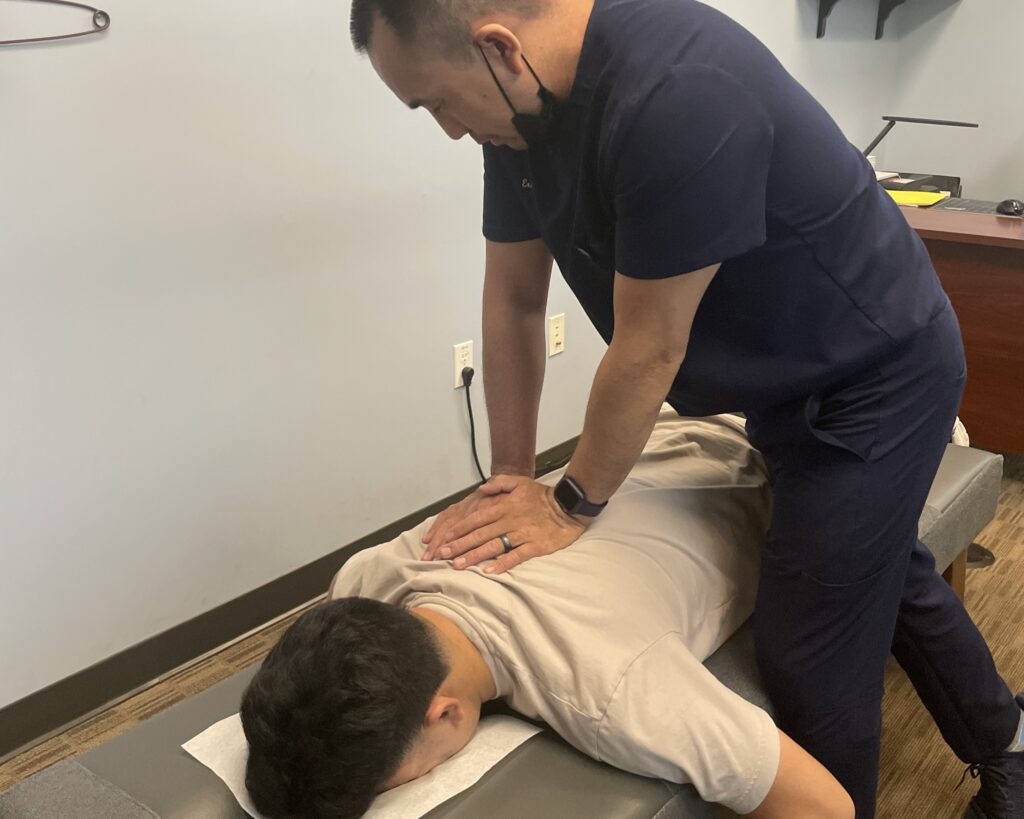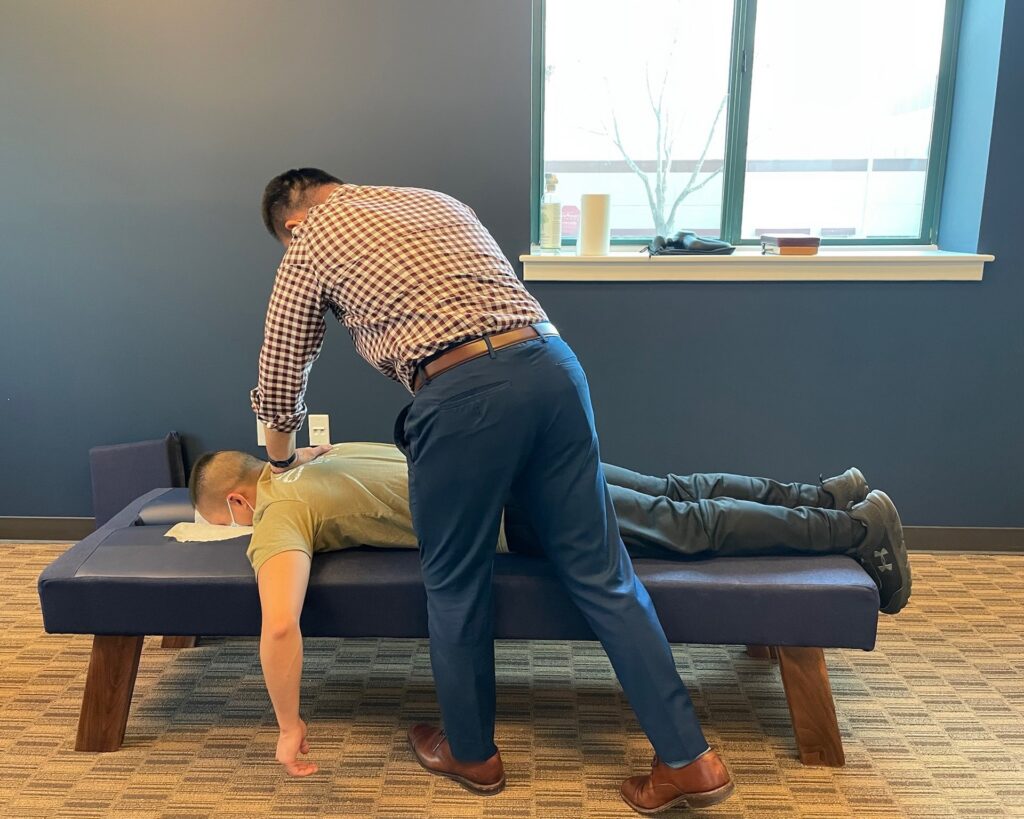
If you’re experiencing neck pain, you’re certainly not alone—it’s a common issue that many people face, often impacting daily activities and overall quality of life. The good news is that there are effective home techniques to help alleviate this discomfort, and chiropractic care can play a vital role in your journey to relief and wellness.
Incorporating gentle stretches into your daily routine is a fantastic way to promote flexibility and reduce tension in your neck. Simple movements, such as slowly tilting your head from side to side or gently rolling your shoulders, can help ease tightness. However, it’s essential to remember that these stretches work best in conjunction with chiropractic adjustments, which can realign your spine and improve overall neck function.
Ergonomic adjustments in your workspace or home environment can also make a significant difference. Ensuring that your computer monitor is at eye level and using a chair that supports your back can help reduce strain on your neck. Alongside these adjustments, regular chiropractic care can provide the necessary support to maintain proper alignment and prevent future discomfort.
Investing in your neck health doesn’t have to be complicated. Simple changes, like taking breaks to stretch, practicing good posture, and seeking chiropractic care, can lead to profound improvements in your comfort and well-being. Remember, by choosing chiropractic care, you’re opting for a natural, holistic approach to achieving optimal health and pain relief.
If you’re ready to take control of your neck health, consider visiting your local chiropractor. They can provide personalized treatment plans and guidance tailored to your specific needs, helping you on your path to a pain-free life.
Stretching Exercises for Neck Relief
When you’re experiencing neck pain, incorporating stretching exercises into your daily routine can provide significant relief and support your overall wellness. These stretches not only help alleviate tension but also enhance flexibility and improve blood circulation in the neck area.
Start with gentle neck tilts. Slowly drop your ear towards your shoulder and hold for 15-30 seconds on each side. This simple movement can help release tightness and improve your range of motion.
Next, try chin tucks. Gently pull your chin towards your chest while keeping your back straight. Hold this position for about 5 seconds, then relax. This exercise can help strengthen the neck muscles and promote better spinal alignment.
Shoulder shrugs are another effective stretch. Lift your shoulders towards your ears and then release them down. Repeat this several times to relieve built-up tension in your shoulders, which can often contribute to neck discomfort.
For a broader stretch, consider the doorway stretch. Stand in a doorway and place your hands on the doorframe, stepping forward slightly to feel a gentle stretch in your chest and shoulders. This stretch can open up tight areas that might be affecting your neck.
As you perform these stretches, remember to breathe deeply to encourage relaxation and enhance the benefits of each movement. It’s important not to push yourself too hard; gentle stretching is key to avoiding further strain.
Integrating these stretches into your daily routine can lead to lasting relief and contribute to your overall health.
While stretching is beneficial, don’t forget that chiropractic care is a powerful ally in achieving optimal health. Regular visits to a chiropractor can help address underlying issues, improve spinal alignment, and enhance your body’s natural ability to heal.
Embrace these practices for a healthier, pain-free life!
Ergonomic Workspace Adjustments
To alleviate neck pain, making ergonomic adjustments to your workspace is essential for promoting spinal health and overall wellness. One of the first steps is to ensure your monitor is positioned at eye level—this helps maintain proper alignment of your neck and spine.
Additionally, your chair should provide adequate support to encourage a healthy sitting posture. A well-organized desk is also beneficial; keeping frequently used items within easy reach can help minimize any unnecessary strain on your neck and back.
Remember, chiropractic care is an excellent way to address neck pain and improve your overall health. Regular visits to your chiropractor can help ensure your spine is properly aligned and functioning optimally.
Alongside these workspace adjustments, consider incorporating gentle stretches and movement breaks throughout your day to keep your body flexible and reduce tension. By prioritizing these simple changes, you can pave the way for a healthier, pain-free lifestyle.
Monitor Height Alignment
Proper monitor height alignment is crucial for maintaining a healthy spine and reducing neck pain while you work. By positioning your monitor’s top edge at or slightly below eye level, you keep your neck in a neutral position, which can significantly minimize strain. This simple adjustment helps promote spinal health and overall comfort in your workspace.
Make sure to sit about an arm’s length away from your screen to avoid hunching forward, which can contribute to discomfort and misalignment. If your monitor is too low or high, consider using monitor risers or adjustable stands to achieve the ideal height.
For those who wear glasses, it’s important to factor in your prescription to ensure you’re sitting at the right distance for clarity and comfort. Additionally, adjusting the tilt of your monitor can reduce glare, making it easier on your eyes and preventing further strain.
Incorporating these adjustments into your workspace not only enhances your comfort but also supports your overall well-being.
Chair Support Features
A well-designed chair can significantly enhance your comfort and productivity while working, and it’s essential for maintaining spinal health. When selecting a chair, look for features such as adjustable seat height, which enables you to keep your feet flat on the floor, supporting better posture. Proper posture is vital for spinal alignment, reducing strain on your neck and back.
Lumbar support is another critical feature; it should fit the natural curve of your lower back to help alleviate tension. This support is especially important for those who spend long hours seated, as it can help prevent discomfort and promote a healthy spine.
Additionally, adjustable armrests are beneficial because they keep your shoulders relaxed and can help minimize tension in your upper body. Consider a chair with a reclining feature, as changing your position throughout the day can relieve pressure points and contribute to overall spinal health.
Also, breathable materials can enhance your comfort during those extended work hours.
Remember, while a good chair is an important investment in your workspace, it isn’t a substitute for regular chiropractic care. Regular visits to a chiropractor can help ensure your spine stays in optimal condition, providing natural relief from pain and promoting wellness.
Desk Organization Tips
Creating an ergonomic workspace is crucial for maintaining your health and comfort, especially when it comes to spinal well-being. As a chiropractor, I want to emphasize that desk organization plays a significant role in reducing discomfort and enhancing productivity.
Start by positioning your monitor at eye level; this simple adjustment can help alleviate neck strain and promote better posture.
Keep your keyboard and mouse close to your body to ensure your arms remain relaxed, reducing the risk of strain in your shoulders and wrists. Utilizing a document holder can keep reference materials at eye level, minimizing the need to look down, which can strain your neck over time.
Arranging your desk so that frequently used items are within arm’s reach is essential. This setup prevents unnecessary twisting or stretching, which can lead to discomfort or injury. Incorporating cable management solutions can help clear clutter from your workspace, as a tidy environment promotes focus and reduces tension.
Don’t forget the importance of taking regular breaks to stretch and reset your posture. Simple stretches can help maintain healthy spinal alignment and can prevent stiffness.
Heat and Cold Therapy
Heat and cold therapy are valuable tools for managing neck pain, and as a chiropractor, I often recommend these methods alongside regular chiropractic care for optimal healing.
When your neck feels tense or stiff, applying heat can help relax the muscles and promote better blood circulation. You can easily achieve this relief by using a heating pad, wrapping a warm towel around your neck, or taking a warm shower. Just remember to apply heat for about 15-20 minutes at a time to ensure your skin stays safe and comfortable.
Conversely, when you’re dealing with inflammation or sharp pain, cold therapy can be a beneficial option. Using a cold pack or even a bag of frozen veggies wrapped in a cloth can help numb the pain and reduce swelling. Apply the cold pack to the affected area for 10-15 minutes, and be sure to take breaks between applications to protect your skin from frostbite.
Consider experimenting with both heat and cold to discover which method provides you with the most relief. Alternating between the two can also enhance your comfort.
Additionally, integrating chiropractic care into your routine can help address the underlying issues contributing to neck pain, ensuring a holistic approach to your health and wellness.
Remember, taking care of your spine is essential for overall well-being. By incorporating these heat and cold therapies with regular chiropractic adjustments, you can promote natural healing and lead a healthier, pain-free life.
Your neck and entire body will thank you!
Massage Techniques You Can Try at Home
When neck pain strikes, finding relief is essential for your overall well-being. While professional chiropractic care is the best choice for addressing the root causes of pain, there are simple massage techniques you can try at home to help ease discomfort.
Self-massage and the use of massage tools can provide temporary relief and promote relaxation, making it easier to manage neck pain. Let’s explore some easy methods that can bring you comfort while also emphasizing the importance of maintaining spinal health.
1. Gentle Neck Stretches: Start by gently tilting your head from side to side, holding each stretch for a few seconds. This can help release tension in the neck muscles and improve flexibility.
2. Self-Massage Techniques: Use your fingers to apply gentle pressure to the areas around your neck and shoulders. Focus on tender spots, using circular motions to promote blood flow and reduce tension.
Remember to breathe deeply, as this can enhance relaxation.
3. Use a Massage Tool: If you have access to a massage ball or foam roller, these tools can help target specific areas in your neck and upper back. Simply place the tool against a wall and lean into it, rolling gently over tight areas.
4. Heat Therapy: Applying a warm compress or heating pad to your neck can relax tight muscles and increase blood circulation. Just be mindful of the temperature to avoid burns.
5. Posture Awareness: Maintaining good posture is crucial for spinal health. Be conscious of your sitting and standing positions throughout the day, especially if you’re working at a desk.
While these techniques can provide temporary relief, regular chiropractic adjustments can help ensure your spine is aligned, reducing the likelihood of future discomfort.
Chiropractic care not only addresses immediate pain but also supports long-term health and wellness. If your neck pain persists, consider scheduling a visit to your chiropractor for a personalized approach to your care.
Self-Massage Techniques
Self-massage techniques can be a valuable addition to your wellness routine, especially for relieving neck pain at home.
While chiropractic care is the best choice for addressing underlying issues and achieving optimal health, there are simple self-care methods you can use to ease discomfort in the meantime.
Here are some effective techniques you can try:
- Kneading: With gentle pressure from your fingers, knead the muscles along the sides of your neck. Target areas that feel tight or sore. This technique can help release muscle tension and increase circulation.
- Friction: Using your fingertips, rub back and forth across any sore spots you find. This movement promotes blood flow and can help alleviate tightness, making it easier for your body to heal naturally.
- Stretching: Gently tilt your head from side to side, allowing your hands to support it. This not only stretches the neck muscles but also encourages relaxation. Regular stretching can improve flexibility and comfort.
Incorporating these self-massage techniques into your daily routine can significantly promote relaxation and help alleviate neck pain.
Remember, while these methods can provide temporary relief, seeking chiropractic care is the best way to address the root causes of pain and enhance your overall health and wellness.
Prioritizing chiropractic care ensures you’re on the right path to a pain-free lifestyle.
Using Massage Tools
Massage tools can be a wonderful addition to your neck pain relief routine, especially when used alongside chiropractic care. These tools provide targeted pressure and accessibility, helping to alleviate tension in ways that manual techniques alone may not always achieve.
For example, a foam roller or massage ball can be particularly effective for working out knots in your neck and upper back. Simply place the tool against a wall or on the floor, lean into it, and roll slowly over the tight areas to release tension.
A handheld massager is another great option; it allows you to apply pressure exactly where you need it most. Additionally, consider neck-specific devices like massage pillows that offer soothing vibrations. These can complement the adjustments you receive in our chiropractic practice, enhancing your overall wellness.
Remember to always listen to your body. If a tool causes any discomfort, it’s best to stop using it. Regularly incorporating these tools into your routine can help ease tension, improve circulation, and promote overall relaxation, all of which are key components in achieving optimal health.
As a chiropractor, I encourage you to prioritize your spinal health and consider how these tools can work in harmony with your chiropractic care.
Posture Improvement Tips
How can you enhance your posture for better neck health? As a chiropractor, I can tell you that improving your posture is essential for reducing neck pain and avoiding future complications. By becoming more aware of your body alignment throughout the day, you can make significant strides in your overall wellness.
Here are some straightforward tips to help you maintain a healthier posture:
- Keep your head aligned: Make sure your ears are in line with your shoulders. Avoid the temptation to tilt your head forward or backward, as this can strain your neck over time.
- Optimize your workspace: It’s important to ensure that your computer screen is at eye level, which can help prevent unnecessary neck strain. Additionally, your chair should offer support for your lower back—consider using a cushion if needed.
- Take regular breaks: Remember to stand up, stretch, and move around every hour. This simple practice can help combat stiffness and keep your muscles engaged.
By incorporating these tips into your daily routine, you can significantly improve your posture and alleviate neck discomfort.
Consistency is crucial! Being proactive about your posture not only helps you feel better but also fosters healthier habits that can last a lifetime.
Chiropractic care is also an excellent choice for those looking to enhance their spinal health and overall well-being. Regular adjustments can help correct misalignments and promote better posture, ultimately supporting your neck and spine.
If you’re experiencing neck pain or discomfort, consider visiting your local chiropractor for a personalized approach to your health. Embrace these practices, and you’ll be on your way to a more aligned, healthier life!
Relaxation and Breathing Exercises
After addressing posture improvement, it’s crucial to understand how relaxation and breathing exercises can contribute to neck pain relief.
These techniques not only help reduce muscle tension but also promote overall relaxation, making them an excellent complement to chiropractic care.
To begin, find a comfortable position, either sitting or lying down. Close your eyes and take a deep breath in through your nose, allowing your abdomen to expand fully. Hold that breath for a moment, then slowly exhale through your mouth.
This simple practice can significantly enhance your well-being.
Repeat this deep breathing for several minutes, focusing on the rhythm of your breath. Visualize the tension melting away from your neck and shoulders with each exhale. You can also incorporate some gentle neck stretches while maintaining this deep breathing—tilt your head side to side and forward to release built-up tightness.
Incorporating these relaxation techniques into your daily routine is an essential step toward alleviating discomfort and enhancing your overall health.
Just a few minutes each day can lead to significant relief, allowing you to move through life more easily.
Remember, chiropractic care not only addresses the structural aspects of your spine but also encourages these natural healing practices, supporting your journey to optimal health.
Embrace these tips for a healthier, pain-free life!
Conclusion
Incorporating these home techniques can significantly alleviate your neck pain and enhance your overall well-being. While chiropractic care is the most effective solution for addressing the root cause of neck pain, there are several supportive practices you can adopt at home. Gentle stretches can help keep your muscles flexible, while adjusting your workspace for better ergonomics can prevent strain.
Using heat or cold therapy, such as a warm compress or an ice pack, can provide immediate relief and reduce inflammation. Don’t underestimate the benefits of massage; it can help relieve tension in the neck and promote relaxation. Maintaining good posture throughout your day is crucial for spinal health, so make sure to be mindful of how you sit and stand.
Incorporating relaxation exercises, like deep breathing or meditation, can also support your neck health by reducing stress and tension. Remember, consistency is key—making these practices a regular part of your routine can lead to lasting benefits. Always consider visiting your chiropractor to tailor a care plan that addresses your specific needs for optimal health and pain relief. With the right approach, you can achieve a pain-free, healthier lifestyle.