As a local chiropractor, I want to emphasize that if you're experiencing lower back pain, you are certainly not alone, and finding effective relief is possible. Many patients come to me overwhelmed by the various treatment options available, from chiropractic adjustments to alternative therapies such as acupuncture. Each of these approaches has its unique benefits that can help alleviate your discomfort.
It's important to recognize that chiropractic care focuses on the body's alignment and function, which can play a crucial role in relieving lower back pain. Alongside chiropractic adjustments, I also encourage exploring at-home remedies and making lifestyle changes that can help prevent future pain.
With so many options out there, it can be challenging to determine the best path for your individual needs. By understanding the nuances of chiropractic care and other natural healing methods, you can make informed decisions that lead to lasting relief. Together, we can create a tailored plan that addresses your specific situation and helps you regain your quality of life.
Physical Therapy Options
If you're experiencing lower back pain, considering chiropractic care can be a transformative step toward recovery. Chiropractic treatment focuses on aligning the spine and enhancing the function of your nervous system, which can lead to improved overall mobility and well-being. By working with a qualified chiropractor, you can receive a customized care plan tailored to your specific needs.
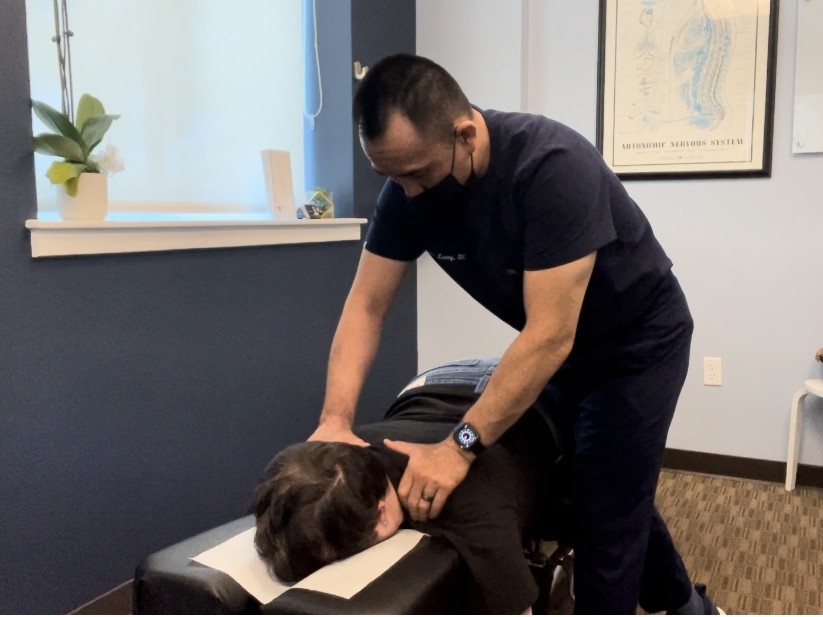
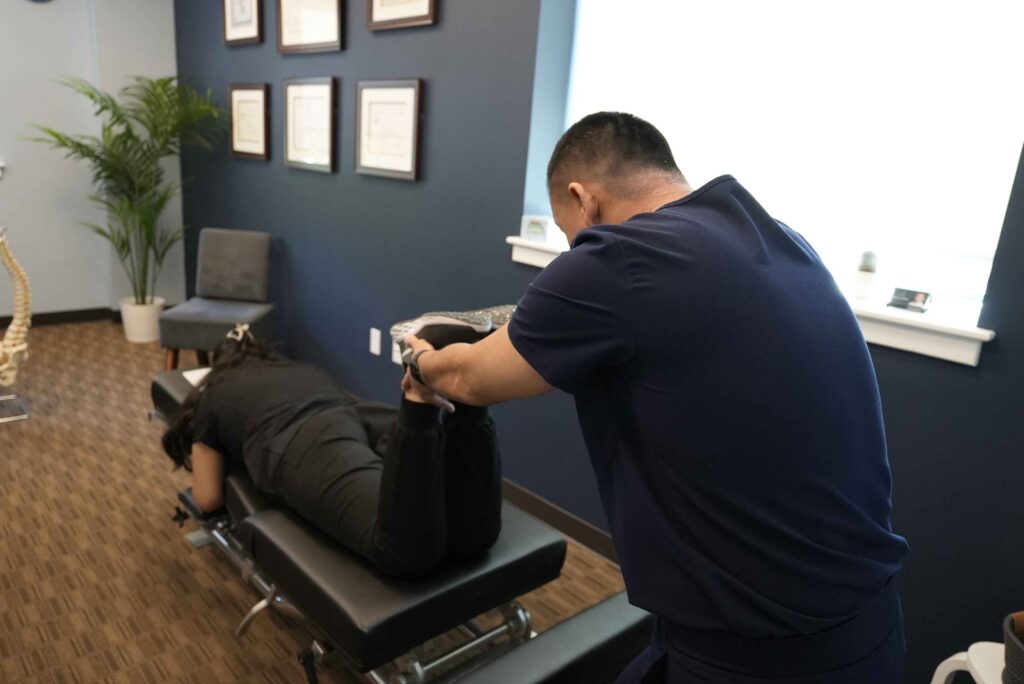
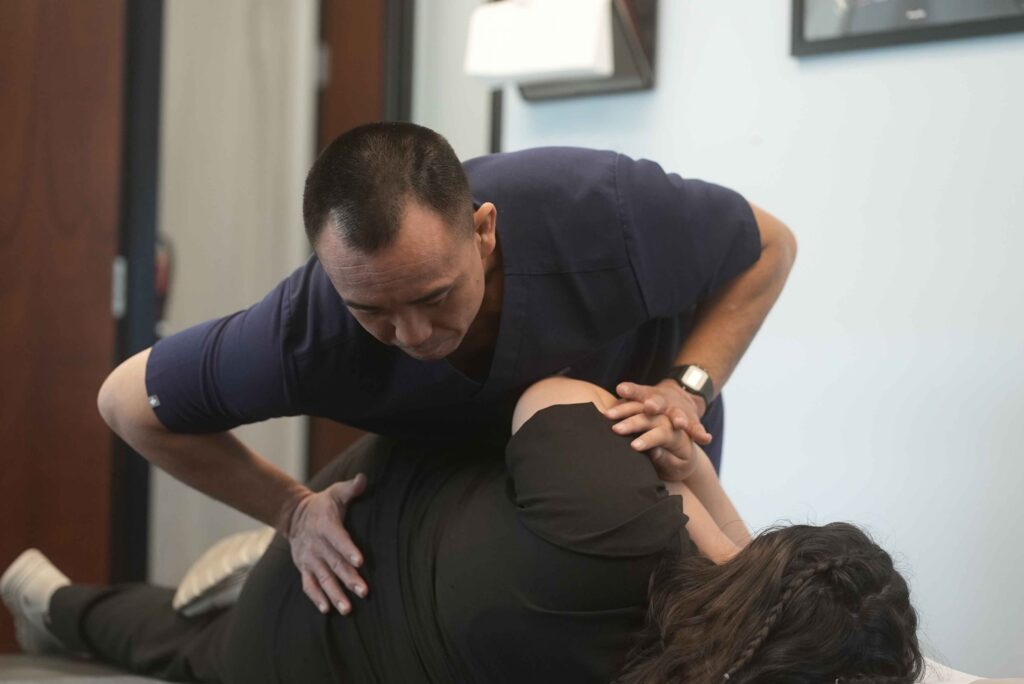
One of the primary techniques we use in chiropractic care is spinal manipulation. This hands-on approach helps to relieve pain and restore function by realigning the vertebrae in your spine. Gentle adjustments can alleviate tension, promote healing, and improve your body's natural ability to function properly.
We may also utilize supportive therapies, such as heat, ice, or electrical stimulation, to reduce inflammation and enhance comfort.
In addition to spinal adjustments, we'll guide you through targeted exercises designed to strengthen your core, improve your posture, and increase your flexibility. Learning how to properly engage your muscles is crucial in preventing future injuries and effectively managing your pain.
Education is another key component of our approach. We'll teach you about proper body mechanics and lifting techniques that can significantly impact your daily activities. By understanding how to move in a way that protects your back, you can empower yourself to lead a more comfortable and active life.
At-Home Remedies
As your local chiropractor, I want to emphasize that while chiropractic care is a valuable tool for managing lower back pain, there are also effective at-home remedies you can incorporate into your routine for additional relief.
One of the simplest methods is to use heat or cold therapy. Applying a heat pad can help relax tight muscles, while an ice pack can reduce inflammation and numb sharp pain. Alternating between heat and cold can often yield the best results.
Gentle stretching is another effective remedy that can significantly alleviate tension in your lower back. Incorporating stretches like the child's pose or knee-to-chest stretch can be beneficial. Remember to perform these movements slowly and listen to your body to avoid any further strain.
Regular physical activity is also crucial. Engaging in low-impact exercises, such as walking or swimming, helps strengthen your muscles and improve flexibility—both of which are essential for preventing future back pain.
Maintaining good posture is another key factor in promoting back health. Ensure that your workstation is ergonomically set up, and make it a point to take breaks to move around every hour. Proper posture while sitting, standing, or lifting can make a significant difference in your overall comfort.
Lastly, I encourage you to explore mindfulness techniques like yoga or meditation. These practices not only help promote relaxation but can also enhance your body awareness, potentially reducing discomfort.
As your chiropractor, I'm here to support you in finding the best combination of treatments for your individual needs. Remember, taking an active role in your health can lead to a more pain-free life.
Medication and Pain Relief
As a chiropractor, I want to share with you how we can effectively manage lower back pain using natural healing methods alongside medication options. For many individuals suffering from persistent discomfort, medication may initially provide some relief, but it's essential to explore holistic approaches that address the root causes of pain.
Over-the-counter medications like ibuprofen or acetaminophen can offer quick relief by reducing inflammation and alleviating pain. However, relying solely on these can sometimes mask underlying issues rather than resolve them. If your discomfort continues, it's wise to consult with a healthcare provider about the potential for stronger prescription medications, such as muscle relaxants or opioids. While these can be beneficial in certain cases, they come with risks, including addiction and side effects.
That's where chiropractic care comes into play. We focus on non-invasive treatments that promote healing and restore proper function to your spine and surrounding muscles. Techniques such as spinal adjustments can help alleviate pain, reduce inflammation, and improve mobility without the need for long-term medication use.
In addition to chiropractic adjustments, topical pain relievers can complement your treatment. Applying creams or patches directly to the affected area may provide localized relief without systemic side effects. However, it's important to consider these as part of a broader treatment plan that includes chiropractic care, exercise, and possibly physical therapy.
By working together, we can develop a comprehensive pain management strategy that not only addresses your symptoms but also promotes long-term health and wellness.
Alternative Treatments
As a local chiropractor, I often see patients who are seeking relief from lower back pain and are curious about alternative treatments. Integrating these methods into your pain management strategy can't only provide relief but also enhance your overall well-being.
I encourage you to consider a holistic approach to tackle your discomfort.
Here are a few alternative treatments that I recommend for my patients:
– Chiropractic Care: One of the most effective ways to address lower back pain is through chiropractic adjustments. By realigning your spine, we can relieve pressure on nerves, which often contributes to discomfort. Many patients experience significant improvements in pain and mobility after just a few sessions.
Additionally, I can provide advice on posture and ergonomics to help prevent future issues.
- Acupuncture: Although I primarily focus on spinal health, I often refer patients to acupuncture therapists. This ancient practice involves the insertion of thin needles into specific points on the body, which can help release endorphins and promote healing. Many individuals report reduced pain and increased mobility after receiving acupuncture treatments.
- Massage Therapy: Therapeutic massage can be a wonderful complement to chiropractic care. It helps to ease muscle tension and improve circulation while promoting relaxation. Since stress can worsen pain, regular massage sessions can be a valuable addition to your pain management plan.
It's important to remember that alternative treatments aren't a one-size-fits-all solution. They can be effective components of your overall pain relief strategy.
Before starting any new treatment, I strongly recommend consulting with a healthcare professional—such as myself—who can help guide you toward the best options for your specific situation.
By exploring these alternatives, you may find new ways to alleviate your lower back pain and improve your quality of life.
Let's work together to find the best path forward for your health!
Lifestyle Changes for Prevention
As a local chiropractor, I want to share some valuable insights on preventing lower back pain through simple lifestyle changes. One of the most effective strategies is to enhance your posture. Whether you're seated at a desk or standing, maintaining proper spinal alignment can significantly reduce the strain on your back.
I recommend considering an ergonomic chair and ensuring that your workstation is designed to support good posture.
Regular physical activity is another essential element in your prevention plan. Aim for at least 30 minutes of moderate exercise most days of the week. Activities such as walking, swimming, or practicing yoga can strengthen your core muscles, which provide critical support for your spine.
Additionally, don't overlook the importance of stretching; it helps keep your muscles flexible and reduces the risk of injury.
Monitoring your weight is also crucial. Maintaining a healthy weight can relieve excess pressure on your back. If you find yourself carrying extra pounds, a balanced diet combined with regular exercise can help you achieve a healthier weight.
When it comes to lifting heavy objects, proper technique is vital. Always bend at your knees rather than your waist, and keep the load close to your body. This technique can prevent unnecessary strain on your lower back and help you avoid injury.
Lastly, prioritize your sleep quality. Ensure you have a supportive mattress that promotes proper spinal alignment during rest. Quality sleep is essential for recovery and can have a significant impact on your overall back health.
By incorporating these lifestyle changes, you can build a strong foundation for preventing lower back pain and enhancing your overall well-being.
Conclusion
As a local chiropractor, I want to emphasize that managing lower back pain often requires a comprehensive and natural approach. By incorporating chiropractic care into your treatment plan, along with physical therapy options and at-home remedies, you can discover effective relief tailored to your needs.
Don't underestimate the value of alternative treatments such as acupuncture and therapeutic massage, which can complement chiropractic adjustments and enhance your healing process. Additionally, making lifestyle modifications—like improving your posture and maintaining an active lifestyle—are crucial in preventing future discomfort and promoting overall wellness.
It's important to stay proactive about your health. With the right combination of treatments and a commitment to self-care, you can take significant steps toward a more comfortable and pain-free life. Let's work together on your journey to better health!