As a local chiropractor, I want to assure you that if you're experiencing lower back pain, you're not alone, and it's crucial to find effective relief to improve your daily comfort. There are various treatments available, ranging from simple stretching exercises to more specialized therapies like acupuncture, and even chiropractic adjustments. Each of these options comes with its own set of benefits and can be adapted to fit your lifestyle.
Choosing the right combination of treatments can feel overwhelming, especially if you're not familiar with chiropractic care and natural healing methods. Understanding the top treatments available will help you make informed decisions about managing your pain effectively. In my practice, I focus on providing a holistic approach to healing that considers not just your symptoms but also your overall well-being. Let's explore the best options for you, so you can find relief and get back to enjoying life.
Stretching Exercises
As a local chiropractor, I often see patients who struggle with lower back pain, and I want to share how incorporating stretching exercises into your daily routine can truly make a difference. Stretching isn't just about flexibility; it plays a crucial role in reducing muscle tension, enhancing posture, and ultimately alleviating discomfort in your lower back.
You don't have to dedicate hours to this practice—just a few minutes each day can lead to significant improvements in how you feel. Let's start with some gentle stretches that specifically target the lower back and its surrounding muscles.
One effective exercise I recommend is the cat-cow stretch. Begin by getting on all fours. As you inhale, arch your back (this is the cat position), and then as you exhale, lower your belly while lifting your head and tailbone (the cow position). Repeat this sequence a few times; it's a fantastic way to increase mobility in your spine.
Another excellent option is the knee-to-chest stretch. While lying on your back, gently pull one knee toward your chest, holding it for 15-30 seconds before switching legs. This stretch not only relieves pressure in your lower back but also opens up your hips, providing a sense of relief.
Don't overlook the seated forward bend, either. Sit on the floor with your legs extended in front of you and reach for your toes while keeping your back straight. This stretch benefits not just your back but also your hamstrings.
Remember, consistency is key. I encourage you to incorporate these stretches into your daily routine, particularly after long periods of sitting or engaging in physical activities.
As your flexibility improves, you may notice a decrease in lower back pain, enabling you to move more freely and comfortably throughout your day.
Heat Therapy
As a local chiropractor, I want to share with you the benefits of heat therapy for alleviating lower back pain. Many of my patients find that after a long day of sitting or engaging in physical activities, heat therapy can be a transformative tool for comfort and relief.
By applying heat to your lower back, you can increase blood flow, which helps to soothe tight muscles and reduce discomfort. The warmth works wonders to relax tense areas, allowing for smoother movement without pain.
There are several heat sources you can use, including heating pads, hot water bottles, or even warm towels. For a more immersive approach, soaking in a warm bath can provide significant relief—just ensure that the water temperature feels comfortable to avoid any risk of burns.
For optimal results, I recommend applying heat for about 15 to 20 minutes at a time. If you're using a heating pad, be mindful to turn it off when you're finished to prevent overheating. This process can be repeated several times a day, particularly after activities that may strain your back.
I also encourage my patients to combine heat therapy with other treatments, such as gentle stretching exercises, to enhance its effectiveness. However, it's always a good idea to check in with me or your healthcare provider before starting, especially if you have any existing health issues or injuries.
Incorporating heat therapy into your daily routine can significantly improve your ability to manage lower back pain. By setting aside just a few minutes to apply warmth, you're making an investment in your comfort and mobility.
With consistent use, many patients find it much easier to participate in their daily activities without the nagging pain that can often hold them back.
Cold Therapy
As a local chiropractor, I want to share how cold therapy can be an effective tool in managing lower back pain. Utilizing cold therapy can help reduce inflammation and numb those sharp, uncomfortable sensations, offering you the relief you need.
In this section, I'll walk you through the benefits of cold therapy, demonstrate the proper techniques for applying it, and highlight some important precautions to keep in mind while using this natural healing method.
Understanding these aspects will empower you to take an active role in your recovery and overall wellness.
Benefits of Cold Therapy
As a local chiropractor, I want to share with you the benefits of cold therapy for relieving lower back pain. Applying cold to your lower back can be an effective method to reduce inflammation and numb the area, providing you with immediate relief. When you use cold therapy, it constricts blood vessels, which helps to lessen swelling and minimize tissue damage from injury.
One of the significant advantages of cold therapy is its ability to alleviate muscle spasms. By numbing the affected area, you can experience reduced tension and discomfort, allowing for greater mobility. This can improve your overall comfort, making it easier to engage in your daily activities without that persistent pain holding you back.
What's great about cold therapy is that it's both convenient and cost-effective. You don't need expensive equipment or medications; simple ice packs or even a bag of frozen vegetables can work wonders.
Plus, it's a non-invasive treatment option that can easily fit into your daily routine.
Furthermore, cold therapy can complement other treatments you may be receiving, enhancing their effectiveness. By integrating multiple methods of care, you increase your likelihood of finding the relief you seek and getting back to enjoying life without the burden of lower back pain.
If you have any questions about incorporating cold therapy into your pain management plan, feel free to ask during your next visit!
Application Techniques Explained
As a local chiropractor, I often emphasize the importance of proper techniques when it comes to cold therapy. This natural healing method can significantly aid in reducing inflammation and alleviating pain, and understanding how to use it effectively is crucial for your recovery.
Here are some essential steps to follow:
- Select the Right Ice Source: You have several options for cold therapy, including ice packs, frozen peas, or even a homemade ice bag. It's best to choose a source that's flexible, so it can easily mold to the contours of your back.
- Protect Your Skin: It's vital to safeguard your skin from extreme temperatures. Always wrap your chosen ice source in a thin towel or cloth. This simple step will help prevent frostbite and ensure that your skin doesn't come into direct contact with the cold.
- Apply for the Appropriate Duration: For optimal benefits, aim to apply cold therapy for about 15-20 minutes at a time. This time frame allows your body to reap the advantages of the cold while minimizing the risk of skin damage.
- Consider Frequency: To maximize the benefits of cold therapy, you can repeat the application every hour as needed, particularly after activities that might increase your pain. Consistent intervals can significantly enhance your healing process.
By following these guidelines, you can effectively incorporate cold therapy into your recovery routine and support your overall wellness journey.
If you have any questions or need further assistance, don't hesitate to reach out!
Precautions and Considerations
As a local Chiropractor, I want to share some important information about using cold therapy for lower back pain, especially if you're new to chiropractic care and natural healing.
It's essential to approach this method safely to ensure you get the best results.
First and foremost, always wrap your ice packs or cold compresses in a thin cloth before applying them to your skin. This simple step is crucial, as it helps prevent frostbite.
Direct contact with ice can harm your skin, so never skip this precaution.
When applying cold therapy, limit each session to about 15-20 minutes. Pay attention to how your body feels; if you experience any discomfort, remove the cold source right away.
You can repeat this treatment every hour, but it's important to listen to your body. If you notice increased pain or sensitivity, stop using the cold therapy and consider reaching out to me or another healthcare professional.
Cold therapy isn't suitable for everyone. If you have circulatory issues, diabetes, or if you're particularly sensitive to cold, it's best to avoid this method or consult with me first.
Additionally, if you've recently sustained an injury, it's wise to seek professional guidance before applying cold therapy to the affected area.
Lastly, while cold therapy can be beneficial for reducing inflammation and numbing pain, it's most effective when used alongside other treatments.
I encourage you to discuss your pain management strategy with me or another healthcare provider to ensure you're following the best approach tailored to your individual needs.
Natural healing is a journey, and I'm here to support you every step of the way!
Over-the-Counter Medications
As a local chiropractor, I often see patients who are seeking relief from lower back pain. While over-the-counter medications can provide quick relief, it's essential to understand that they're just one piece of the puzzle. These medications are widely available and may help alleviate discomfort temporarily, allowing you to carry on with your daily activities.
However, I encourage you to consider the following options and insights about managing lower back pain:
- Nonsteroidal Anti-Inflammatory Drugs (NSAIDs): Common medications like ibuprofen and naproxen are often recommended for reducing inflammation and relieving pain. Many people turn to these as a first line of defense against lower back issues. However, it's crucial to remember that they don't address the root cause of your pain.
- Acetaminophen: If NSAIDs aren't suitable for you due to health considerations, acetaminophen can be an alternative. While it effectively relieves pain, it's important to use it cautiously and be aware of its effects on your body.
- Topical Analgesics: Creams and patches containing ingredients like menthol or capsaicin can provide localized relief when applied to the skin over painful areas. They work by numbing the area or generating a warming sensation, which can help distract from discomfort.
- Muscle Relaxants: While prescription muscle relaxants may be needed in some cases, there are over-the-counter alternatives available that can help alleviate muscle spasms contributing to lower back pain.
While these medications can offer temporary relief, I encourage you to explore chiropractic care and natural healing methods. Chiropractic adjustments can help restore proper alignment in your spine, which is essential for long-term pain relief and overall wellness.
It's also vital to identify and address the underlying cause of your back pain rather than solely relying on medication.
Before using any over-the-counter medication, please read the label, follow the dosage instructions, and consult with a healthcare professional, especially if you have pre-existing conditions.
Physical Therapy
As a local chiropractor, I want to share how chiropractic care can significantly alleviate your lower back pain.
Unlike traditional approaches, we focus on natural healing methods that cater specifically to your individual needs. Through personalized adjustments and tailored exercise programs, we address the root causes of your discomfort.
Our manual techniques are designed to enhance your body's function, helping you regain strength and flexibility. With the right chiropractic guidance, you can return to your daily activities with greater ease and comfort.
Embracing this holistic approach may be the key to your recovery and long-term wellness.
Personalized Exercise Programs
As a local chiropractor, I often see patients struggling with lower back pain, and I want to share how personalized exercise programs can be a powerful tool for relief.
These customized routines are designed to strengthen your core and enhance flexibility, which can significantly alleviate discomfort. Collaborating with a physical therapist or even incorporating these exercises into your chiropractic care can help you develop a program tailored to your unique needs and recovery goals.
Here are four essential components that we often incorporate into personalized exercise programs for effective back pain relief:
- Core Strengthening: By focusing on exercises that strengthen your abdominal and back muscles, we can provide your spine with better support, ultimately reducing strain and pain.
- Flexibility Exercises: Stretching is crucial for improving your range of motion and easing tightness in the muscles surrounding your lower back. This can lead to greater comfort and mobility.
- Aerobic Activities: Engaging in low-impact aerobic exercises, such as walking or swimming, is beneficial for enhancing blood flow and promoting healing in your back.
- Posture Training: Learning and maintaining proper posture is vital for spinal alignment. This practice can help prevent further injuries and keep your back healthy.
By integrating these elements into your care plan, we can work together to not only alleviate your pain but also empower you to take control of your health through natural healing methods.
If you're interested in exploring personalized exercise programs, feel free to reach out!
Manual Therapy Techniques
As a local chiropractor, I want to share how manual therapy techniques play a vital role in relieving lower back pain and promoting natural healing. These hands-on methods focus on gently manipulating your muscles and joints, aiming to reduce discomfort, enhance mobility, and restore your overall function.
In our practice, we utilize various techniques such as joint mobilization, soft tissue massage, and myofascial release to target specific areas that may be causing you pain. You may notice an immediate reduction in muscle tension and an increase in flexibility during your sessions.
With skilled hands, we apply pressure and movement to help realign your spine and alleviate any nerve compression, which not only relieves pain but also improves blood circulation to promote healing.
Additionally, manual therapy can be a valuable complement to your personalized exercise program. It can make it easier for you to perform movements and build strength, allowing you to regain your daily activities more effectively.
By addressing any underlying issues, these techniques can support your journey to a healthier and more active lifestyle.
If you're new to chiropractic care, I encourage you to explore how these natural healing methods can benefit you. Together, we can work towards improving your overall well-being and enhancing your quality of life.
Chiropractic Care
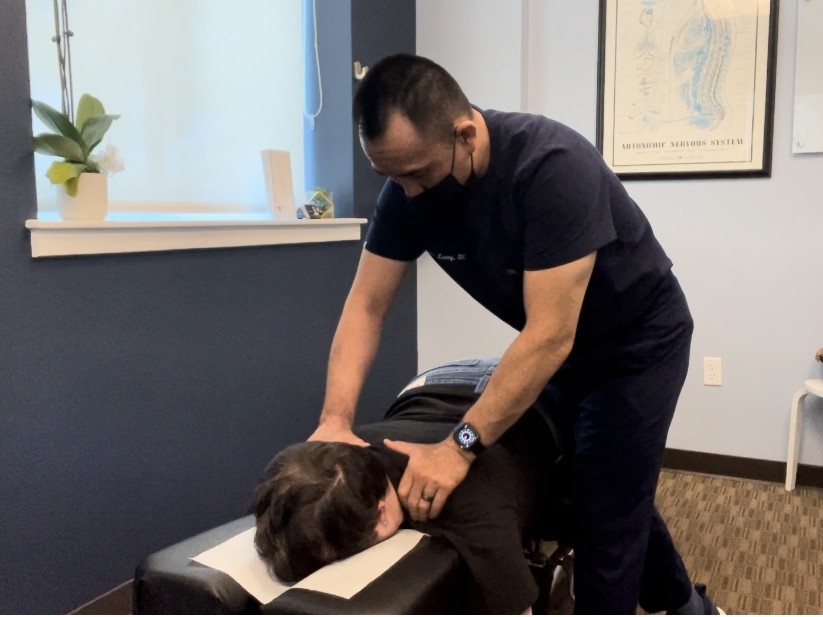
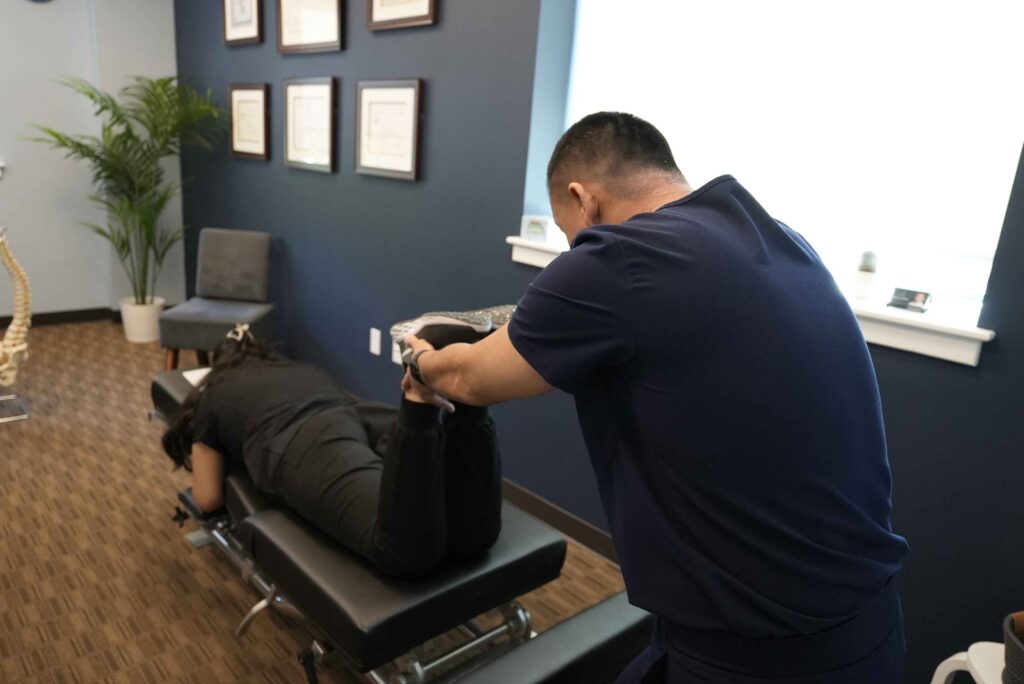
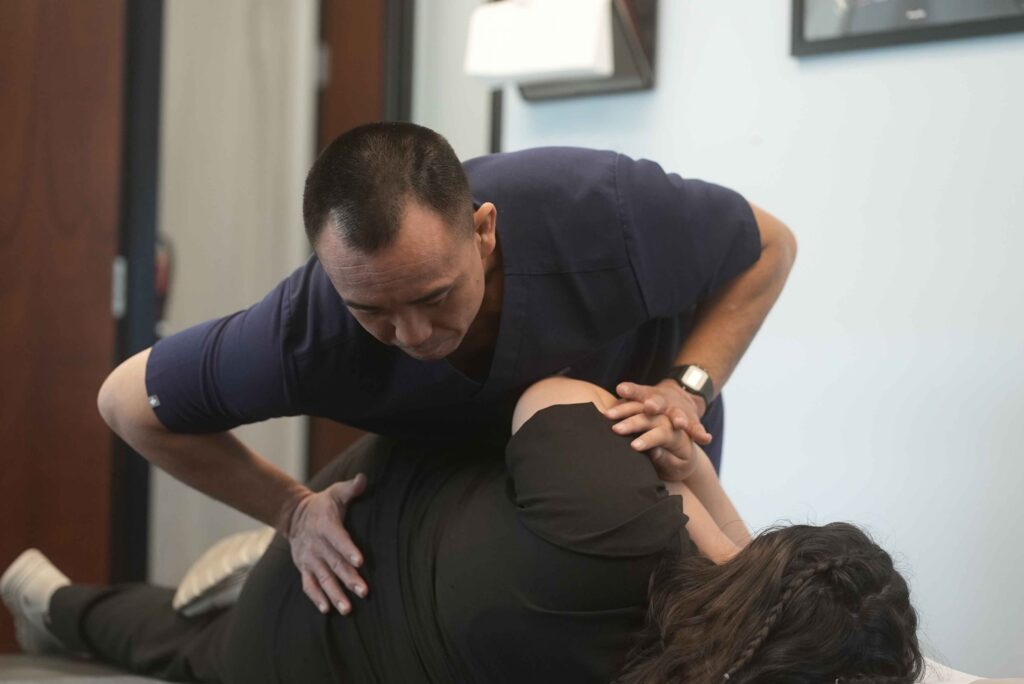
At our chiropractic clinic, we believe in a hands-on approach to health, particularly when it comes to treating lower back pain. Our focus isn't just on relieving discomfort, but also on enhancing your overall musculoskeletal health through proper spinal alignment.
If you're experiencing lower back pain, visiting a chiropractor can be a transformative step towards recovery. We use a variety of techniques to adjust your spine and optimize your body's function.
Here are some key benefits you can expect when you choose chiropractic care:
- Pain Relief: Our spinal manipulation techniques are designed to alleviate pain by reducing pressure on nerves and improving blood circulation. Many of our patients report significant relief after just a few sessions.
- Improved Mobility: Chiropractic adjustments can help restore your range of motion, allowing you to engage in daily activities with greater ease and less discomfort.
- Preventive Care: By making regular visits to our clinic, you can maintain proper spinal alignment and address minor issues before they develop into more significant problems, effectively preventing future back pain.
- Holistic Approach: We take pride in our holistic approach, offering lifestyle advice that includes exercise recommendations and ergonomic tips to further support your recovery and enhance your overall well-being.
Choosing chiropractic care means you aren't just treating the symptoms of lower back pain, but also addressing the root causes that may be contributing to your discomfort.
As your local chiropractor, I'm committed to working with you to develop a personalized treatment plan that aligns with your specific needs. While results may vary from person to person, many of our patients find substantial relief through our hands-on treatments.
If you're ready to take the first step toward reclaiming your comfort, I invite you to schedule an appointment and discover how chiropractic care can make a positive impact on your health.
Acupuncture
As a local chiropractor, I want to share some insights about a natural healing method known as acupuncture, which can be an effective option for relieving lower back pain.
This technique involves the stimulation of specific points on your body, and many of my patients have reported reduced pain and improved mobility after undergoing acupuncture sessions.
Acupuncture works by promoting the body's natural healing processes and balancing energy flow.
It can complement chiropractic care wonderfully by addressing pain points and enhancing overall wellness.
In this discussion, we'll delve into how acupuncture functions, the benefits it offers for back pain, and recommendations on how often you might consider incorporating it into your treatment plan.
Understanding these natural healing methods can empower you to take charge of your health and find the relief you deserve.
How Acupuncture Works
When exploring alternative therapies for lower back pain, acupuncture is often highlighted for its distinctive methodology. This ancient practice involves the insertion of thin needles into specific points on your body to help restore balance and promote healing.
Let me explain how acupuncture works from a chiropractic perspective:
- Stimulating Energy Flow: Acupuncture focuses on the body's energy pathways, known as meridians. By stimulating these specific points, it aids in unblocking energy flow, which can lead to a reduction in pain and discomfort.
- Releasing Endorphins: The insertion of needles encourages your body to release endorphins—natural substances that act as painkillers. This can't only help diminish your pain but also enhance your overall sense of well-being.
- Reducing Inflammation: One of the benefits of acupuncture is its potential to decrease inflammation in the affected areas. This is particularly important for those suffering from lower back pain, as reducing inflammation can lead to improved mobility and comfort.
- Enhancing Blood Circulation: Acupuncture promotes better blood flow, which is crucial for delivering essential nutrients and oxygen to injured tissues. This improved circulation can significantly aid in the healing process.
Incorporating acupuncture into your pain management plan can provide a holistic approach, addressing not just the symptoms of your lower back pain, but also the root causes.
As a chiropractor, I believe in the power of natural healing methods, and acupuncture can be a valuable addition to your overall treatment strategy.
Benefits for Back Pain
As a local chiropractor, I understand that finding relief from lower back pain can often feel overwhelming. However, I want to shed light on the benefits of treatments like acupuncture, which can complement chiropractic care and provide significant relief.
One of the primary advantages of acupuncture is its ability to reduce pain by stimulating your body's natural painkillers, such as endorphins. Many of my patients have reported experiencing less discomfort after just a few sessions, which is encouraging for anyone dealing with chronic pain.
Moreover, acupuncture promotes relaxation, helping to alleviate muscle tension and improve your overall sense of well-being. When your body is relaxed, you may find it easier to move freely and participate in the activities you love.
Additionally, acupuncture enhances blood circulation in the affected areas, which can aid in healing and reduce inflammation—a crucial factor in managing back pain.
Another noteworthy benefit is the improvement in sleep quality that many individuals experience with acupuncture. Since sleep disturbances are common among those suffering from back pain, acupuncture can help you fall asleep more quickly and stay asleep longer, allowing your body the time it needs to recover.
Finally, one of the most appealing aspects of acupuncture is its holistic approach. It not only addresses the symptoms of your pain but also targets the underlying issues contributing to it. This comprehensive method can lead to long-lasting relief and improved overall health, making it a valuable addition to your journey toward overcoming lower back pain.
As your chiropractor, I encourage you to consider how acupuncture can work alongside chiropractic care to help you achieve your wellness goals. Together, we can create a customized plan that supports your healing process.
Treatment Frequency Recommendations
As a local chiropractor dedicated to helping you understand the benefits of natural healing for lower back pain, I want to emphasize the importance of treatment frequency in your recovery journey.
The way you schedule your chiropractic sessions can significantly influence your healing process and overall comfort. Here are some recommendations to consider:
- Initial Phase: To kickstart your healing, I recommend starting with 1-2 sessions per week for the first month. This frequency provides your body with the opportunity to respond effectively to the adjustments and therapies.
- Evaluation: After the initial month, we'll take the time to evaluate your pain levels and how your body is responding to the treatment. Many patients notice improvements during this time, which may allow us to adjust the frequency of your sessions.
- Maintenance Phase: Once you begin to experience a reduction in pain, we can shift to scheduling sessions every 2-4 weeks. This ongoing care is crucial for maintaining your progress and preventing any potential flare-ups.
- Long-term Care: For those looking to manage their condition over the long term, monthly sessions can be incredibly beneficial. Regular adjustments not only support your back health but also contribute to your overall well-being, helping to keep lower back pain at bay.
Massage Therapy
As a local chiropractor, I want to share how massage therapy can be a valuable component in managing lower back pain. Many of my patients have experienced significant relief through this hands-on approach, which not only helps to relax tight muscles but also improves circulation and enhances overall mobility.
During a massage session, the therapist will focus on specific areas of your lower back, using various techniques to alleviate tension and discomfort.
It's important to understand that different types of massage can yield various benefits. For instance, deep tissue massage targets deeper layers of muscle and connective tissue, making it particularly effective for those dealing with chronic pain. Conversely, Swedish massage employs long, flowing strokes that encourage relaxation and can help reduce stress, which is often a contributing factor to pain.
Incorporating regular massage sessions into your wellness routine can do more than just relieve current discomfort; it can also help prevent future flare-ups. As you make massage therapy a part of your self-care, you may notice improved flexibility and reduced stiffness, making your daily activities more enjoyable and manageable.
Before beginning any form of treatment, I always recommend consulting with your healthcare provider, especially if you have existing medical conditions. They can guide you toward the most suitable type of massage for your individual needs.
It's also crucial to maintain open communication with your therapist about your pain levels and any specific concerns you may have.
Ultimately, massage therapy can be a powerful tool in your journey toward managing lower back pain. By prioritizing your health and seeking professional care, you can improve your overall quality of life.
Embrace the healing benefits of massage as a complementary therapy alongside chiropractic care, and take a proactive step toward a pain-free future.
Yoga and Pilates
As a local chiropractor, I want to share with you the benefits of incorporating Yoga and Pilates into your routine, especially if you're dealing with lower back pain.
These practices aren't just about flexibility; they're powerful tools for enhancing core strength and promoting overall spinal health. By integrating these disciplines into your wellness regimen, you can experience relief from discomfort, better posture, and improved core stability.
Here are four significant benefits of practicing Yoga and Pilates for alleviating lower back pain:
- Strengthening Core Muscles: A strong core is essential for supporting your spine. Both Yoga and Pilates emphasize core strength, which can help alleviate the strain on your back and reduce pain. This foundational strength is crucial for maintaining spinal health.
- Improving Flexibility: Engaging in these practices regularly can significantly enhance the flexibility of your spine and the surrounding muscles. Increased flexibility helps to relieve tension and stiffness, making everyday activities more manageable and comfortable.
- Promoting Better Posture: Proper alignment is a key focus in Yoga and Pilates. By learning how to align your body correctly, you can alleviate pressure on your lower back and prevent future discomfort. Good posture isn't just about standing tall; it's about maintaining a healthy spine.
- Encouraging Mind-Body Connection: Both practices foster a deeper awareness of your body and its patterns of tension. This heightened awareness can lead to better relaxation techniques and more effective pain management strategies.
If you're interested in exploring these practices, I recommend finding a local class or following online tutorials specifically designed for those with lower back pain.
It's important to listen to your body and adjust poses as necessary. With consistent practice, you might discover significant relief from pain and an overall improvement in your well-being.
Lifestyle Modifications
As a local chiropractor, I want to emphasize the importance of simple lifestyle modifications that can significantly alleviate your lower back pain. One of the first steps I recommend is to assess your daily habits. If you find yourself sitting for extended periods, consider investing in an ergonomic chair that provides proper support for your spine.
It's crucial to take breaks every hour—stand up, stretch, and walk around to keep your muscles active and engaged.
Another key aspect to focus on is your posture. When seated, ensure that your back is straight, your shoulders are relaxed, and your feet are flat on the ground. Maintaining good posture can greatly reduce the strain on your back, which is vital for long-term health.
And when lifting heavy objects, always remember to bend your knees and keep the load close to your body. This technique not only helps distribute weight evenly but also minimizes the risk of injury.
Incorporating regular exercise into your routine is vital for overall well-being. I suggest aiming for low-impact activities such as swimming, walking, or cycling. These exercises can strengthen your core and back muscles, enhancing support for your spine.
Additionally, keeping a healthy weight is important; it can relieve unnecessary pressure on your back, so don't hesitate to reassess your diet if necessary.
Finally, never underestimate the importance of quality sleep. Establishing a consistent sleep schedule and investing in a supportive mattress can make a world of difference.
If you tend to sleep on your side, placing a pillow between your knees can help maintain proper spinal alignment, promoting a healthier back.
Conclusion
As a local chiropractor committed to your well-being, I want to share some effective ways to manage lower back pain that you might not be familiar with. It's essential to understand that addressing your discomfort often requires a personalized approach. Incorporating gentle stretching exercises into your routine can significantly ease tension in your back. Additionally, utilizing heat and cold therapies can provide immediate relief and promote healing.
Over-the-counter medications can help manage pain, but it's important to explore other options too. Physical therapy, acupuncture, and massage therapy are invaluable resources that can support your recovery and improve your overall function.
I also encourage you to consider lifestyle modifications, such as maintaining a healthy weight and ensuring you get quality sleep, as these can play a crucial role in alleviating back pain. By combining these various treatments and making informed choices, you can regain comfort and mobility in your daily life. Remember, finding the right mix of these solutions will set you on the path to natural healing and improved health. If you have any questions or need guidance, I'm here to help!