If you’re experiencing back pain, it’s important to consider how your posture may be impacting your overall health. As a chiropractor, I’ve seen many patients who are unaware of the strong link between their body alignment and the discomfort they feel. Often, we develop habits that can lead to misalignments, which contribute to ongoing pain. By gaining awareness of these patterns, you can begin to make simple yet effective changes that can provide significant relief.
So, what specific adjustments can you make in your daily routine to improve your posture and alleviate pain? Here are some essential steps to consider:
- Mind Your Sitting Position: Ensure that your hips are positioned at the back of your chair, your feet are flat on the floor, and your back is straight. This helps maintain the natural curvature of your spine.
- Stand Tall: When standing, distribute your weight evenly on both feet, keep your shoulders back, and engage your core. This alignment reduces strain on your back.
- Incorporate Movement: Make it a habit to take short breaks throughout the day to stretch and move. This can help reduce tension and keep your muscles engaged.
- Strengthen Core Muscles: A strong core supports your spine. Consider exercises that target your abdominal and back muscles to enhance stability.
- Seek Professional Guidance: A chiropractor can evaluate your posture and provide personalized recommendations for adjustments and exercises tailored to your needs.
By implementing these practices into your life, you can foster healthier habits that lead to lasting relief from back pain. Remember, small changes can make a significant difference in your well-being!
Understanding the Connection Between Posture and Back Pain
As a local chiropractor, I often see patients who are unaware of the significant impact posture has on back pain. Many individuals underestimate this connection, but the way we sit or stand can place unnecessary stress on our spine and the muscles surrounding it. You mightn’t notice it initially, but habits like slouching or leaning forward can create muscle imbalances and lead to increased tension in your back. Over time, this tension can contribute to chronic pain and discomfort.
Correcting your posture goes beyond simply sitting up straight; it requires a conscious effort to be aware of how you position your body throughout your daily activities. Whether you’re working at a desk, walking, or lifting items, maintaining a neutral spine is crucial for reducing strain on your back.
I often recommend making simple adjustments, such as investing in ergonomic furniture or taking regular breaks to stretch and move. These small changes can lead to significant improvements in your comfort and overall spinal health.
By prioritizing good posture, you’re not just enhancing your immediate comfort. You’re also laying the groundwork for better long-term back health. As your chiropractor, I encourage you to be mindful of your posture and consider how it may be affecting your well-being.
Together, we can work towards a healthier spine and a pain-free life.
The Importance of Body Awareness
As a chiropractor, I want to emphasize the importance of being aware of your body and how it moves during your daily activities. Understanding body awareness can play a crucial role in your overall well-being and physical health. When you become conscious of your posture, you’ll start to notice how it directly affects your body.
Being mindful of your alignment allows you to make adjustments that enhance your comfort and reduce the strain on your back. Practicing mindfulness in your movements can help you detect tension or discomfort early on, before it turns into pain. By tuning into your body’s signals, you can take proactive steps such as shifting your weight, adjusting your seating position, or taking a moment to stretch.
These small changes can make a big difference in how you feel. Incorporating simple practices like deep breathing or gentle stretching throughout your day can significantly enhance your body awareness. Not only does this support better posture, but it also helps you develop a deeper connection with yourself.
Ultimately, being present with your body can lead to lasting relief from back pain and contribute to your overall health. As your chiropractor, I’m here to support you on this journey to better body awareness and natural healing.
Identifying Poor Posture Habits
As a local chiropractor, I want to emphasize the importance of recognizing poor posture habits in order to prevent back pain and enhance your overall health. Many people are unaware that certain everyday activities can contribute to their discomfort.
Here are four common habits that I encourage you to be mindful of:
- Slouching While Sitting: If you frequently find yourself hunched over, whether at your desk or while lounging on the couch, it’s crucial to address this posture. Good sitting habits can significantly impact your spinal health.
- Looking Down at Your Phone: It’s easy to get lost in your device, but spending too much time looking down can cause strain in your neck and upper back. I recommend taking regular breaks and holding your phone at eye level to alleviate this tension.
- Standing with Weight on One Leg: Many individuals unconsciously shift their weight unevenly, which can lead to muscle imbalances and discomfort. Practice distributing your weight evenly across both legs to promote better alignment and reduce pain.
- Keeping Your Head Forward: If your head juts forward while working or walking, it can place unnecessary stress on your spine. Try to maintain a neutral head position to support your neck and back.
By being aware of these habits throughout your day, you can make small adjustments that lead to significant improvements in your back health and overall well-being.
As your chiropractor, I’m here to support you in making these changes and guiding you towards a healthier lifestyle.
Ergonomic Tips for Your Workspace
As a chiropractor, I want to emphasize the importance of creating an ergonomic workspace to help you maintain good posture and prevent back pain.
Let’s start with your chair: ensure that it’s adjusted so your feet rest flat on the floor or on a footrest, and that your knees are at or slightly below hip level. This alignment is crucial for reducing strain on your back.
Next, let’s talk about your desk height. It should be set so that your elbows are at a 90-degree angle when you’re typing. This position can help avoid unnecessary tension in your shoulders and neck.
When it comes to your monitor, position it about an arm’s length away, with the top of the screen at or slightly below eye level. This setup keeps your neck aligned, significantly reducing strain and discomfort.
I also encourage you to invest in a supportive chair that promotes a natural curve in your spine. This is essential for maintaining proper posture throughout your workday.
Don’t overlook the importance of regular breaks. It’s beneficial to stand, stretch, or take a brief walk every hour to keep your body moving and reduce stiffness.
Additionally, keep frequently used items within easy reach to minimize twisting or stretching, which can lead to discomfort.
By making these straightforward adjustments, you can create a workspace that not only promotes better posture but also alleviates back pain, supporting your overall well-being.
Strengthening Core Muscles for Better Support
As a local chiropractor, I want to emphasize the importance of strengthening your core muscles for better spinal support and reducing back pain. Many people may not realize that a strong core plays a crucial role in stabilizing your body, which in turn promotes proper posture and movement.
Here are four effective exercises that can help enhance your core strength:
- Planks: This exercise involves holding a plank position for 30 seconds to a minute while engaging your abdominal muscles. It’s a fantastic way to build endurance in your core.
- Bridges: To perform this exercise, lie on your back with your knees bent. Lift your hips off the ground, creating a straight line from your shoulders to your knees, and hold for a few seconds. This not only strengthens the core but also targets the glutes and lower back.
- Dead Bugs: Start by lying on your back with your arms extended toward the ceiling and your legs raised. Alternate lowering opposite arms and legs while keeping your core tight. This exercise helps improve coordination and core stability.
- Russian Twists: Sit on the floor with your knees bent. Lean back slightly and twist your torso from side to side, engaging your obliques. This movement not only strengthens your core but also enhances your rotational stability.
Incorporating these exercises into your daily routine can significantly improve your core strength, which is vital for alleviating back pain and enhancing your overall stability.
Stretching Techniques to Improve Flexibility
As a local chiropractor dedicated to your health and well-being, I want to emphasize the importance of flexibility in maintaining a healthy spine and alleviating back pain. While a strong core is essential for movement and stability, flexibility plays a critical role in overall spinal health. Incorporating stretching techniques into your routine can significantly enhance your flexibility and help relieve discomfort.
To start, I recommend dynamic stretches to warm up your muscles. Simple movements like arm circles and leg swings can prepare your body for deeper stretches.
Once you’re warmed up, consider adding static stretches to your routine. Poses such as the cat-cow and child’s pose are excellent for lengthening tight muscles in your back and hips. Hold each stretch for 15 to 30 seconds, taking deep breaths to help release any built-up tension.
It’s also crucial to pay attention to your hamstrings. Tight hamstrings can contribute to back pain, so I suggest incorporating seated forward bends to effectively target this area.
I encourage you to stretch at least three times a week, focusing on gentle movements that feel comfortable for your body.
Mindfulness Practices for Postural Awareness
As a local chiropractor, I want to share how incorporating mindfulness practices into your daily life can significantly enhance your postural awareness and help alleviate back pain.
By becoming more attuned to your body and its alignment, you can create lasting improvements in your posture and overall well-being. Here are four mindfulness techniques that I recommend for my patients:
- Body Scan: Set aside a few minutes each day to mentally scan your body. Pay attention to areas where you feel tension or misalignment. This practice can help you become aware of postural habits that may be contributing to your discomfort.
- Breathing Exercises: Engage in deep, diaphragmatic breathing. This technique not only calms your mind but also activates your core muscles, which are essential for maintaining good posture.
- Mindful Sitting: When you’re seated, consciously observe how your back and hips feel. Make adjustments to your sitting position to better support your spine. This simple awareness can make a significant difference in your comfort levels.
- Posture Reminders: Consider placing reminders on your phone or using sticky notes around your workspace to prompt you to check your posture throughout the day. Regularly tuning in to your posture can lead to marked improvements.
These mindfulness practices can truly transform your relationship with your posture, contributing to substantial relief from discomfort and enhancing your overall health.
As your chiropractor, I encourage you to integrate these techniques into your routine for a more balanced and pain-free life.
Incorporating Movement Into Your Daily Routine
As a local chiropractor dedicated to helping you achieve better health and wellness, I want to emphasize the importance of incorporating movement into your daily routine, especially if you’re experiencing back pain.
Many people believe that addressing back pain requires long hours at the gym, but I’m here to tell you that small, manageable changes can have a profound impact on your overall well-being.
To start, I recommend setting reminders to stand up and stretch every hour. Simple movements such as neck rolls and shoulder shrugs can work wonders in relieving tension and improving your posture.
If you have the option, consider taking the stairs instead of the elevator or parking a little farther away to encourage more walking throughout your day.
For those of you who spend long hours at a desk, think about using a standing desk or taking short walking breaks.
Even everyday activities like sweeping, gardening, or playing with your kids count as movement and contribute positively to your health. Engaging in enjoyable activities, such as dancing or biking, can also make exercise feel less daunting and more like fun.
By integrating these small movements into your daily life, you not only promote better posture and enhance flexibility but also actively work towards alleviating back pain.
The Role of Professional Help in Posture Correction
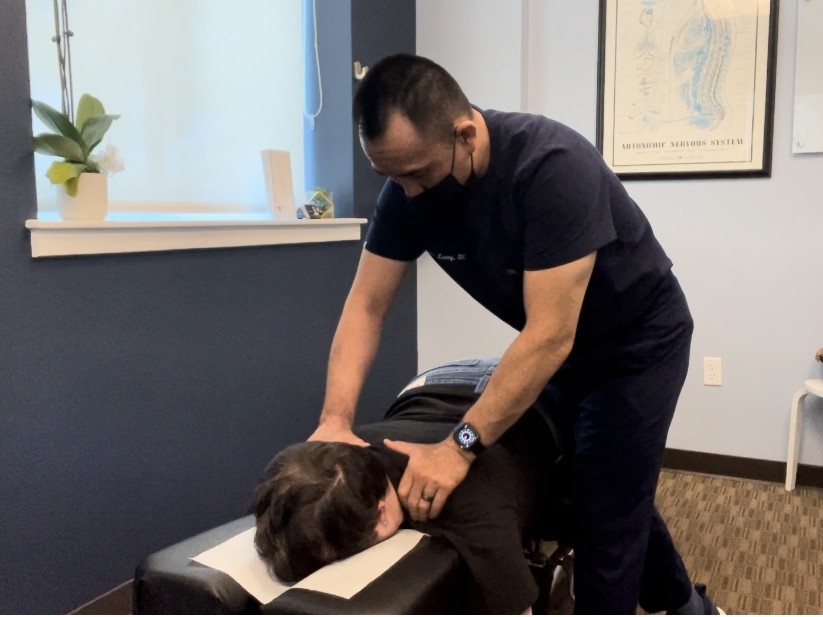
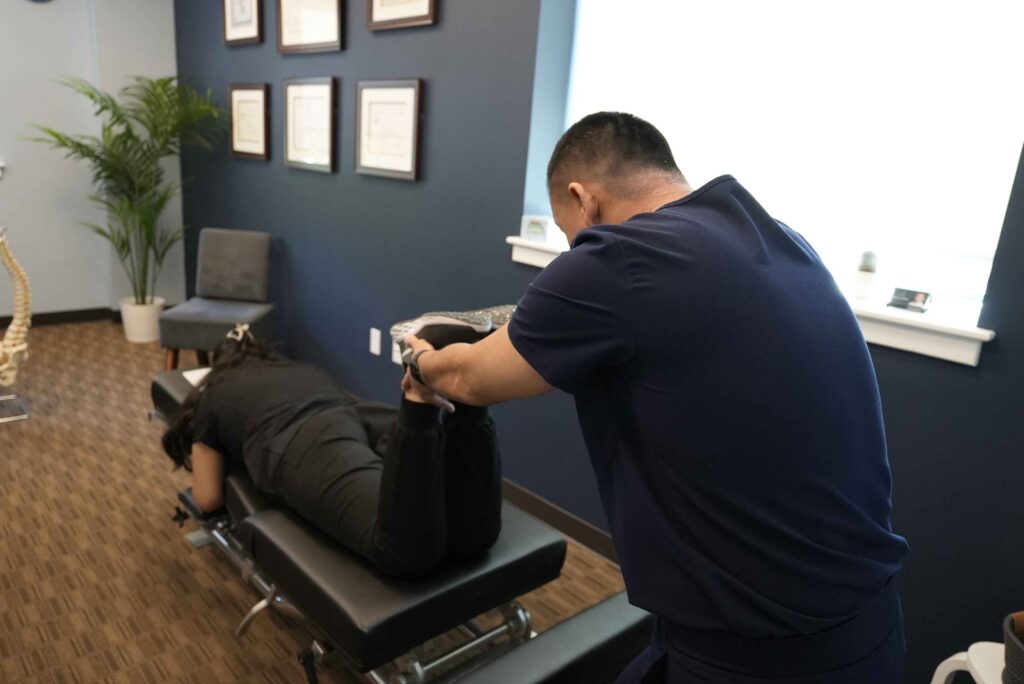
As a local chiropractor, I understand that many of you may not be familiar with how chiropractic care can play a vital role in improving your posture.
While you can certainly make progress on your own through daily activities, sometimes professional guidance is essential for achieving sustainable results.
Here’s how chiropractic care can assist you on your journey to better posture:
- Comprehensive Assessment: I’ll conduct a thorough evaluation of your posture, examining your spine and musculoskeletal system to identify any misalignments or areas of concern that may be contributing to your posture issues.
- Tailored Treatment Plan: Based on the assessment, I’ll develop a personalized treatment plan specifically designed to address your unique posture challenges and promote optimal spinal alignment.
- Technique Instruction: I’ll teach you proper body mechanics and techniques to ensure that you’re moving safely and effectively, helping to prevent injuries as we work together to correct your posture.
- Continuous Support: With regular visits, I can monitor your progress, provide ongoing adjustments, and make any necessary modifications to your treatment plan to ensure that you stay on the right path.
Chiropractic care offers more than just adjustments; it equips you with the knowledge and tools to make informed changes that lead to lasting improvements in your posture and overall health.
Don’t hesitate to reach out for help—together, we can achieve your posture goals and enhance your well-being.
Setting Realistic Goals for Posture Improvement
As your local chiropractor, I want to help you understand how chiropractic care can play a significant role in improving your posture.
It’s important to set realistic goals on this journey to better posture. Begin by pinpointing specific areas where you feel you need improvement—perhaps you find yourself slouching at your desk or struggling to sit up straight.
Rather than striving for perfection immediately, I recommend focusing on gradual changes. You might start by dedicating just 10 minutes a day to practicing good posture. As you become more comfortable, you can slowly increase that time.
Tracking your progress is also beneficial. Consider keeping a journal or using an app to record your daily achievements and any challenges you face.
Don’t forget to celebrate those small victories; for instance, acknowledging when you remember to adjust your posture while working.
Lastly, be patient with yourself. Remember that improvement takes time, and understanding that this is a gradual process will help keep you motivated.
Conclusion
As a local chiropractor, I want to emphasize the significant impact that transforming your posture can have on alleviating back pain. Many people may not realize that simple awareness of your body and small adjustments to your daily habits can make a world of difference. By correcting poor posture habits, you can provide better support for your spine, which is crucial for overall back health.
It’s important to focus on strengthening your core, as a strong core provides stability and support to your spine. Additionally, I encourage incorporating mindful practices into your routine, such as stretching or yoga, which can enhance your body awareness and promote relaxation. If you’re unsure where to start, don’t hesitate to reach out for professional guidance.
Set realistic goals for yourself, and remember that consistent effort is key. With time, you will notice improvements in your posture and a reduction in back pain, leading you toward a healthier, pain-free life. Embrace this journey toward better posture and overall well-being—your spine will thank you!