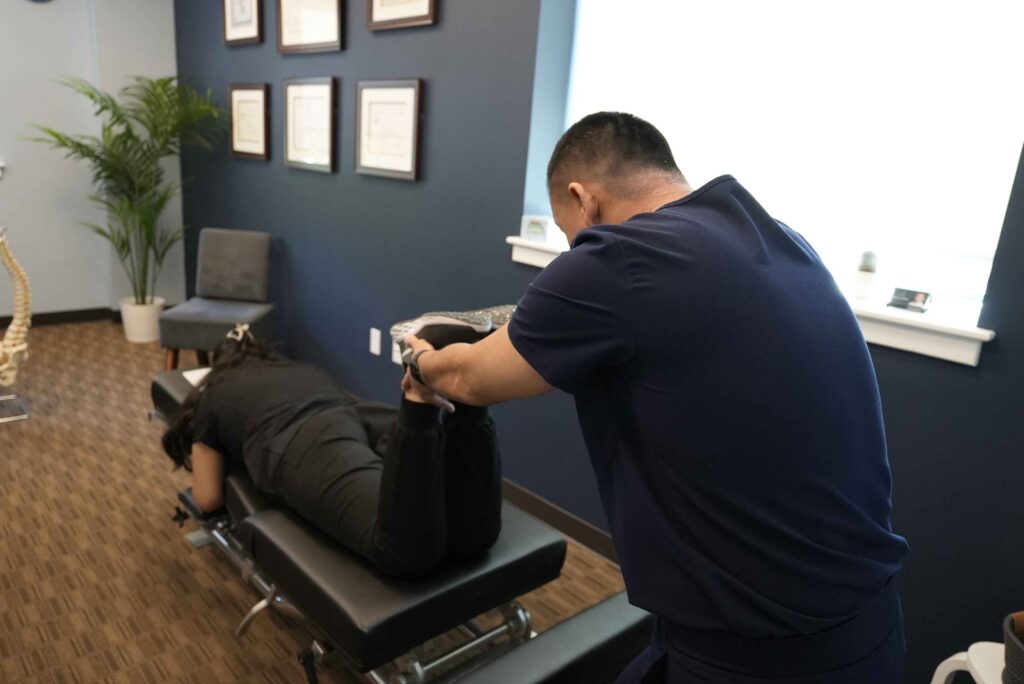
If you suffer from migraines, you’re likely all too familiar with how debilitating they can be. As a local chiropractor, I want to share how chiropractic adjustments might be a game-changer for you. By focusing on spinal alignment and reducing tension in your nervous system, these adjustments can help decrease the frequency and intensity of your migraine attacks.
But managing migraines goes beyond just getting adjusted. It’s important to identify your personal triggers—things like stress, certain foods, or lack of sleep—and make lifestyle changes that support your overall wellness. Here are some simple tips you can incorporate into your daily routine:
- Stay Hydrated: Dehydration is a common trigger for migraines. Aim to drink plenty of water throughout the day.
- Maintain a Regular Sleep Schedule: Try to go to bed and wake up at the same time each day to promote better sleep quality.
- Practice Stress Management: Techniques such as deep breathing, yoga, or meditation can help reduce stress levels, which may contribute to migraines.
- Keep a Migraine Diary: Tracking when your migraines occur and what you were doing at the time can help identify patterns and triggers.
- Posture Awareness: Poor posture can create tension in your neck and spine, potentially leading to migraines. Be mindful of your posture, especially if you sit for long periods.
By incorporating chiropractic care into your wellness routine and making these lifestyle adjustments, you can take significant steps toward managing your migraines naturally. Remember, achieving optimal health is a journey, and chiropractic care can be a vital part of that path. If you’re ready to explore how chiropractic adjustments can help you, don’t hesitate to reach out!
Key Takeaways
Unlocking Migraine Solutions Through Chiropractic Care
As a local chiropractor, I want to share how chiropractic adjustments can be a game-changer for those struggling with migraines. By focusing on improving spinal alignment, we can help reduce tension in your body, which may lead to fewer migraine attacks. It’s all about creating balance and harmony within your spine to support your overall well-being.
Regular chiropractic care does more than just alleviate pain; it enhances your body’s ability to manage migraine triggers effectively. By addressing issues in your spine and neck, we can help relieve physical tension that often contributes to migraines. You might be surprised how much a well-aligned spine can positively impact your health!
Incorporating mindfulness techniques alongside chiropractic adjustments can also boost your ability to cope during migraine episodes. Simple practices like deep breathing or gentle stretches can complement the benefits of your chiropractic care, making you feel more in control.
Before you embark on any new treatment journey, it’s always smart to have a chat with your healthcare provider. This way, you can ensure the approach you choose is safe and tailored to your needs.
Remember, when it comes to managing migraines, chiropractic care stands out as a natural and effective solution that prioritizes your health without relying on medications or surgeries. Take charge of your health journey today by exploring the benefits of chiropractic adjustments for migraine relief!
Understanding Migraine Triggers
Understanding migraine triggers is crucial for managing this often debilitating condition, and chiropractic care can play a significant role in your journey to wellness. You may notice that specific factors consistently precede your migraine attacks, and these triggers can vary widely from person to person. That’s why it’s important to pay attention to your own patterns.
Common culprits include stress, hormonal changes, and sleep disturbances, which can all be influenced by your spinal health. Additionally, environmental factors like bright lights or strong smells may provoke an episode.
As a chiropractic practitioner, I encourage you to keep a migraine diary to track these triggers. This can help you identify what affects you and guide us in developing a personalized care plan.
By focusing on chiropractic adjustments, we can help align your spine, which may alleviate tension and stress that contribute to migraines. Regular chiropractic care can also improve your overall well-being, potentially reducing the frequency and intensity of your migraines.
Remember, everyone’s experience with migraines is unique, and understanding your triggers is a key step toward finding relief. By incorporating chiropractic care into your wellness routine, you can work on strategies to avoid or minimize exposure to these triggers while enhancing your body’s natural healing abilities.
Embrace a healthier lifestyle with proper spinal alignment, stress management techniques, and a focus on wellness, and take the first steps toward regaining control over your life.
Dietary Changes for Migraine Relief
It’s fascinating how the foods we consume can influence not only our health but also the occurrence and severity of migraines. Many individuals are often unaware that certain dietary choices can either trigger or help alleviate these painful episodes. Identifying which foods may be affecting you is a crucial step towards finding relief. Common offenders include aged cheeses, processed meats, and foods rich in MSG.
On the other hand, integrating fresh fruits, vegetables, and whole grains into your diet can often lead to a reduction in migraine symptoms. To better understand how your diet interacts with your migraines, consider keeping a simple food diary. This can help you observe patterns and pinpoint any potential triggers.
Additionally, maintaining a regular eating schedule is essential. Skipping meals can cause blood sugar levels to drop, which may trigger a migraine. By making mindful dietary changes, you’re not only taking an important step towards managing your migraines but also enhancing your overall well-being.
In conjunction with these dietary strategies, chiropractic care offers a natural and effective approach to pain relief and wellness. Chiropractic adjustments can help improve spinal alignment, reduce tension, and promote better overall health, which may further support your efforts in managing migraines.
Embrace a holistic lifestyle that includes proper nutrition, regular chiropractic care, and self-awareness for optimal health and wellness. Remember, taking care of your body is a powerful way to protect yourself against migraines and enhance your quality of life.
The Role of Hydration in Preventing Migraines
Staying hydrated is crucial for preventing migraines, as your body depends on water for nearly every function. When you’re dehydrated, it can trigger headaches and intensify your symptoms.
As a chiropractor, I want to highlight the importance of hydration not just for your overall health, but also for your spinal wellness. Proper hydration supports the health of your spinal discs, which rely on water for cushioning and flexibility.
When these discs are well-hydrated, it can help maintain proper alignment and reduce tension in the neck and back, areas often related to headache pain.
Here are some simple tips to ensure you’re getting enough water daily:
- Carry a Water Bottle: Having water on hand makes it easier to sip throughout the day. Aim for at least 8 glasses, or more if you’re active!
- Infuse Your Water: If plain water doesn’t excite you, try adding slices of fruits like lemon, cucumber, or berries for flavor. This can encourage you to drink more.
- Set Reminders: Use your phone or an app to remind you to take hydration breaks every hour.
- Eat Water-Rich Foods: Incorporate fruits and vegetables with high water content into your diet, like cucumbers, watermelon, and oranges.
- Listen to Your Body: Pay attention to thirst signals and drink water before you feel parched.
By focusing on proper hydration and incorporating chiropractic care into your wellness routine, you can take control of your health and potentially reduce the frequency and severity of migraines.
Importance of Water Intake
Many people overlook the crucial role that hydration plays in overall wellness and migraine prevention. As a chiropractor, I want to emphasize that staying well-hydrated is vital for your body to function optimally, which can significantly help in reducing the frequency and severity of migraines.
When you drink enough water, you aren’t just quenching your thirst; you’re supporting your body’s natural processes, such as regulating temperature and maintaining healthy circulation. This is particularly important for your brain, which relies on proper hydration to receive the nutrients and oxygen it needs, potentially lowering the risk of migraine attacks.
Aiming for at least eight glasses of water a day is a great and achievable goal. To make this easier, consider integrating hydration breaks into your daily routine. Not only can these breaks help prevent migraines, but they can also enhance your energy levels and improve focus throughout the day.
Remember, staying hydrated is just one aspect of a holistic approach to health and wellness. Regular chiropractic care can also play a significant role in maintaining your body’s balance and promoting natural healing.
By aligning your spine and ensuring your nervous system functions optimally, you can further support your body’s ability to manage pain and maintain overall wellness.
Effects of Dehydration
Hydration is a crucial aspect of maintaining overall health, and as a local chiropractor, I want to emphasize the importance of staying well-hydrated for your spinal health and overall wellness.
When your body is dehydrated, it can lead to a range of issues, including migraines, which can significantly impact your quality of life. Dehydration affects your body’s ability to function optimally, which can trigger headaches and discomfort. One of the reasons for this is that dehydration can cause an imbalance of electrolytes, essential for proper nerve function.
When you’re dehydrated, you may notice increased sensitivity to light and sound, common symptoms associated with migraines. Moreover, insufficient fluid intake can cause your blood vessels to constrict, resulting in heightened pressure in your head.
To combat these headaches and improve your overall health, it’s essential to prioritize hydration throughout the day. Here are some simple tips to help you stay hydrated:
- Carry a Water Bottle: Keep a reusable water bottle with you at all times. This will serve as a constant reminder to drink water regularly.
- Set Reminders: Use your phone or a watch to set reminders to take sips of water throughout the day, especially if you tend to forget.
- Track Your Intake: Keeping a log of how much water you drink can help you stay accountable and ensure you meet your hydration goals.
- Eat Hydrating Foods: Incorporate fruits and vegetables with high water content into your diet, such as cucumbers, watermelon, and oranges.
- Listen to Your Body: Pay attention to signs of dehydration, such as dry mouth, fatigue, or dark urine, and take action to hydrate.
By making hydration a priority, you can’t only reduce the risk of migraines but also support your spinal health and overall well-being.
Remember, chiropractic care can also play a vital role in helping your body function at its best. Regular adjustments can improve spinal alignment, enhance nerve function, and promote better hydration throughout your body.
Don’t underestimate the power of water and chiropractic care in your journey toward optimal health!
Stress Management Techniques
Managing stress is crucial for migraine relief, and as a chiropractor, I can tell you that incorporating techniques like mindfulness and meditation into your routine can be incredibly beneficial.
These practices not only promote relaxation but can also enhance your overall well-being. Additionally, simple breathing exercises can significantly reduce tension and help you feel more centered.
By focusing on your spinal health and maintaining proper alignment, you can further support your body’s natural ability to cope with stress. Regular chiropractic care helps alleviate physical tension, which can contribute to headaches and migraines.
Here are some practical tips you can incorporate into your daily life:
- Practice Mindfulness: Spend a few minutes each day being fully present in the moment. This can help you manage stress and may lessen the frequency of migraines.
- Breathing Exercises: Try deep breathing techniques. Inhale deeply through your nose, hold for a few seconds, and exhale slowly through your mouth. This can calm your nervous system and reduce tension.
- Regular Chiropractic Adjustments: Regular visits to your chiropractor can keep your spine aligned, which may help reduce the frequency and intensity of migraines.
- Stay Hydrated: Dehydration can trigger headaches, so make sure you’re drinking enough water throughout the day.
- Maintain a Healthy Diet: Eating balanced meals can help stabilize your blood sugar and keep your energy levels steady, reducing stress and potential migraine triggers.
By prioritizing your spinal health and incorporating these stress management techniques, you can pave the way for a healthier, more pain-free life.
Mindfulness and Meditation
How can mindfulness and meditation enhance your approach to stress management, particularly in relation to your spinal health? By incorporating these practices into your daily routine, you can cultivate a deeper awareness of your body, thoughts, and feelings, which can lead to effective stress reduction and help maintain a healthy spine. Mindfulness encourages you to stay present and connected to your body, while meditation allows you to focus and calm your mind, both of which can alleviate tension that may contribute to back pain and migraines.
| Technique | Benefits | Frequency |
|---|---|---|
| Mindfulness | Reduces anxiety, enhances focus | Daily |
| Meditation | Promotes relaxation, improves mood | 15-30 minutes daily |
| Body Scan | Increases body awareness and reduces tension | Weekly |
| Loving-Kindness | Fosters compassion and self-acceptance | 10-20 minutes daily |
| Guided Imagery | Enhances mental imagery for relaxation | As needed |
Implementing these techniques not only aids in managing stress but also contributes to better spinal health. When your mind is calm and your body is relaxed, you may find that your posture improves, which is essential for maintaining a healthy spine. Remember, chiropractic care plays a vital role in achieving overall wellness. By addressing any misalignments or tension in your spine, you can further enhance the benefits of mindfulness and meditation, leading to a more balanced and pain-free life. Try incorporating these practices into your routine for relief and to promote your overall well-being.
Breathing Exercises Benefits
Have you ever noticed how your breath can change when you’re feeling stressed? When anxiety hits, your breathing often becomes rapid and shallow, which can make migraine symptoms worse. Incorporating breathing exercises into your routine can be a natural way to help. These exercises promote relaxation and reduce stress levels, making it easier to manage migraines without resorting to medications or other treatments.
Deep, slow breaths activate your body’s relaxation response, which helps reduce tension and calm your mind. By focusing on your breath, you may find it easier to shift your attention away from pain. Techniques such as diaphragmatic breathing or the 4-7-8 method can be particularly effective in fostering a sense of calm.
Additionally, integrating breathing exercises with chiropractic care can enhance your overall well-being. Chiropractic adjustments help align your spine and improve your nervous system function, which can work in tandem with breathing techniques to support your body’s natural healing processes.
To incorporate this into your daily life, try setting aside a few minutes each day to practice deep breathing. Remember, building a habit of mindful breathing not only helps with stress but can also contribute to reducing the frequency and intensity of migraines.
The Importance of Sleep Hygiene
As a local chiropractor, I want to emphasize the importance of good sleep hygiene in managing migraines and promoting overall wellness. A consistent sleep schedule is key to regulating your body’s internal clock, which can help reduce the likelihood of triggering a migraine. Try to go to bed and wake up at the same time every day, even on weekends, to keep your body in a healthy rhythm.
Establishing a calming bedtime routine can significantly improve your sleep quality. It’s helpful to limit screen time before bed, as the blue light emitted from devices can interfere with your body’s production of melatonin, the hormone that helps you sleep. Instead of scrolling through your phone, consider winding down with a good book or engaging in relaxation techniques such as deep breathing or gentle stretching—practices that can also support your spinal health.
Your sleep environment is another crucial factor. Ensure your bedroom is dark, quiet, and cool to create the perfect atmosphere for restful sleep. Investing in a comfortable mattress and supportive pillows can greatly enhance your sleep experience, which in turn supports your overall health and well-being.
Lastly, be mindful of what you consume before bedtime. Avoid caffeine and heavy meals in the hours leading up to sleep. These can disrupt your rest and potentially trigger migraines. By prioritizing good sleep hygiene, you not only enhance your overall health but also reduce the chances of migraine attacks.
Incorporating Regular Exercise
Regular exercise can be a crucial component in managing migraines, particularly when it’s woven into your daily life. Engaging in physical activity not only promotes better blood circulation but also helps relieve muscle tension, both of which can reduce the frequency and intensity of migraine attacks. Aim for at least 30 minutes of moderate exercise most days of the week. Activities like walking, swimming, or cycling can provide significant benefits.
As your local chiropractor, I encourage you to listen to your body. If you find that certain exercises seem to trigger your migraines, don’t hesitate to adjust your routine. Consistency is key; identify a time that fits into your day, whether it’s morning, afternoon, or evening.
Incorporating gentle stretching and relaxation techniques into your routine can further enhance the benefits of your exercise regimen.
Remember, staying hydrated and maintaining a balanced diet play vital roles in supporting your overall health and wellness. By making exercise a regular part of your life, you’re not only taking proactive steps to reduce migraine occurrences but also fostering your overall well-being.
And don’t forget, regular chiropractic care can help improve spinal alignment and function, which can further aid in managing pain and enhancing your quality of life. So, let’s work together to create a healthier, more balanced lifestyle!
Alternative Therapies and Their Benefits
Exploring alternative therapies can be a great way to find relief for those dealing with migraines, especially when conventional treatments aren’t providing the relief you need. One highly effective approach is chiropractic care. By addressing spinal alignment and nervous system function, chiropractic adjustments can help reduce the frequency and intensity of migraine attacks. Many patients report lasting improvements after regular chiropractic sessions.
In addition to chiropractic care, some people find relief with herbal remedies like butterbur and feverfew. These natural options can be beneficial in preventing migraines, but it’s always important to consult with a healthcare provider to ensure they’re safe for you.
Incorporating mindfulness and relaxation techniques, such as yoga and meditation, can also be essential in managing stress, a common trigger for migraines. These practices not only promote overall well-being but can also enhance your ability to cope with pain when it strikes.
Lastly, biofeedback is another tool that can empower you to gain control over your body’s physiological responses, potentially reducing the occurrence of migraines. By exploring these alternatives, especially chiropractic care, you may uncover effective strategies that align with your personal health goals.
Remember, maintaining a healthy lifestyle through proper hydration, balanced nutrition, and regular physical activity can further support your journey to wellness.
Always prioritize your spinal health, as it plays a vital role in your overall health and well-being.
Conclusion
Unlocking migraine relief through chiropractic adjustments is a powerful way to take control of your health and well-being. As a local chiropractor, I believe that understanding and addressing the root causes of your migraines is essential. Here are some straightforward steps to help you manage your condition naturally:
- Chiropractic Care: Regular chiropractic adjustments can help realign your spine, reducing tension and pressure that may trigger migraine pain. By promoting proper spinal health, you can enhance your body’s ability to function optimally.
- Identify Triggers: Pay close attention to what may trigger your migraines, such as certain foods, stress, or lack of sleep. Keeping a headache diary can help you pinpoint these triggers and avoid them in the future.
- Dietary Changes: Consider incorporating a balanced diet rich in whole foods, such as fruits, vegetables, and whole grains. Staying away from processed foods and excessive sugar can also help reduce the frequency of migraines.
- Stay Hydrated: Dehydration can be a significant contributor to headaches. Make it a habit to drink plenty of water throughout the day to keep your body well-hydrated.
- Stress Management: Incorporate relaxation techniques such as deep breathing, yoga, or meditation into your daily routine. Reducing stress can significantly decrease the likelihood of migraine attacks.
- Prioritize Sleep: Establish a regular sleep schedule and create a calming bedtime routine. Quality sleep is crucial for overall health and can help prevent migraines.
- Regular Exercise: Engage in regular physical activity, as it can help reduce stress and improve your overall well-being. Aim for activities you enjoy, whether it’s walking, cycling, or swimming.
- Explore Alternative Therapies: While chiropractic care is incredibly effective, consider exploring other natural therapies such as acupuncture, massage, or herbal remedies to further support your relief.
By taking a comprehensive approach to your health and embracing chiropractic care, you can empower yourself to manage migraines more effectively. Remember, optimal health is within reach, and together, we can work towards a pain-free life.