
Vertigo is one of the most common reasons older adults visit their doctor, yet it’s also one of the most misunderstood. Many seniors describe it as a sensation of spinning, unsteadiness, or feeling like the world around them is tilting. While it can sometimes be brief and mild, vertigo in older adults can significantly affect balance, confidence, and overall quality of life.
Understanding the causes, risks, and treatment options for vertigo is essential for protecting the health and independence of aging adults. In this article, we’ll explore what makes vertigo different in seniors, the common underlying conditions, and how proper care — including chiropractic and vestibular therapy — can help restore balance and prevent falls.
Understanding Vertigo: More Than Just Dizziness
Vertigo isn’t just “feeling dizzy.” It’s a specific type of dizziness characterized by a spinning or whirling sensation. Some seniors feel as though they’re moving when they’re not, while others feel like their surroundings are rotating or swaying.
Types of Vertigo
There are two primary types of vertigo, depending on where the problem originates:
- Peripheral Vertigo – This form stems from the inner ear or vestibular system, which controls balance.
- The most common cause is Benign Paroxysmal Positional Vertigo (BPPV), where small calcium crystals in the inner ear move out of place.
- Other causes include vestibular neuritis, labyrinthitis, or Meniere’s disease.
- The most common cause is Benign Paroxysmal Positional Vertigo (BPPV), where small calcium crystals in the inner ear move out of place.
- Central Vertigo – This type arises from issues in the brain or central nervous system, such as strokes, tumors, or multiple sclerosis.
Peripheral vertigo is far more common, especially among older adults. However, central causes can be serious and require prompt medical evaluation.
Why Vertigo Is More Common in Older Adults
Aging naturally affects every system in the body — including those responsible for balance. As people get older, the tiny hair cells and nerves in the inner ear degenerate, making it harder for the body to detect movement and maintain equilibrium. In addition, seniors often take multiple medications, experience cardiovascular changes, or develop other health conditions that contribute to dizziness or vertigo.
Here are some age-related factors that increase the risk:
1. Degeneration of the Vestibular System
The vestibular organs inside the inner ear send signals to the brain about head position and motion. With age, these structures may lose sensitivity, leading to slower reflexes and increased instability.
2. Medication Side Effects
Polypharmacy — the use of multiple medications — is very common among older adults. Certain drugs, including blood pressure medications, sedatives, antidepressants, and anti-seizure medications, can cause dizziness or amplify vertigo symptoms in San Leandro.
3. Reduced Vision and Proprioception
Balance relies on input from the eyes, inner ear, and proprioceptors (sensors in muscles and joints). When vision deteriorates or joint stiffness develops, it can disrupt this balance coordination, making vertigo more disorienting.
4. Circulatory and Cardiovascular Conditions
Low blood pressure, heart rhythm disturbances, or poor circulation to the brain can cause dizziness that mimics or worsens vertigo. These issues often coexist with vestibular disorders in the elderly.
5. Neck and Spine Changes
Degenerative changes in the cervical spine — sometimes called cervicogenic dizziness — can impair blood flow or nerve communication to the balance centers, especially in those with arthritis or poor posture.
Common Causes of Vertigo in San Leandro in Seniors
While vertigo can occur at any age, certain conditions are especially prevalent among older adults:
1. Benign Paroxysmal Positional Vertigo (BPPV)
BPPV is the leading cause of vertigo in seniors. It happens when calcium carbonate crystals (otoconia) dislodge from their normal position and float into the inner ear canals, disrupting balance signals.
Typical symptoms include:
- Sudden spinning sensation when turning in bed or looking up
- Brief episodes lasting less than a minute
- Nausea or loss of balance
Though BPPV isn’t life-threatening, it can cause dangerous falls. The good news? It responds very well to specific head maneuvers that reposition the crystals.
2. Meniere’s Disease
This inner ear disorder causes vertigo, hearing loss, tinnitus (ringing in the ears), and a feeling of fullness in the ear. It’s less common in seniors but can become chronic and unpredictable.
3. Vestibular Neuritis and Labyrinthitis
These inflammatory conditions affect the vestibular nerve and inner ear, often following a viral infection. They cause intense vertigo that may last for days, followed by lingering balance problems.
4. Stroke or Transient Ischemic Attack (TIA)
Sudden vertigo, especially when accompanied by slurred speech, weakness, or double vision, can signal a stroke. Because older adults are more at risk, it’s important to rule out vascular causes.
5. Cervicogenic (Neck-Related) Vertigo
Poor posture, neck stiffness, or spinal misalignment can disrupt the sensory input from the cervical spine to the brain, leading to dizziness or imbalance. This type of vertigo often coexists with chronic neck pain.
6. Medication-Induced Dizziness
Antihypertensives, antianxiety medications, diuretics, and some antibiotics can alter blood pressure or affect the vestibular system. Always review medications with a healthcare provider if dizziness develops.
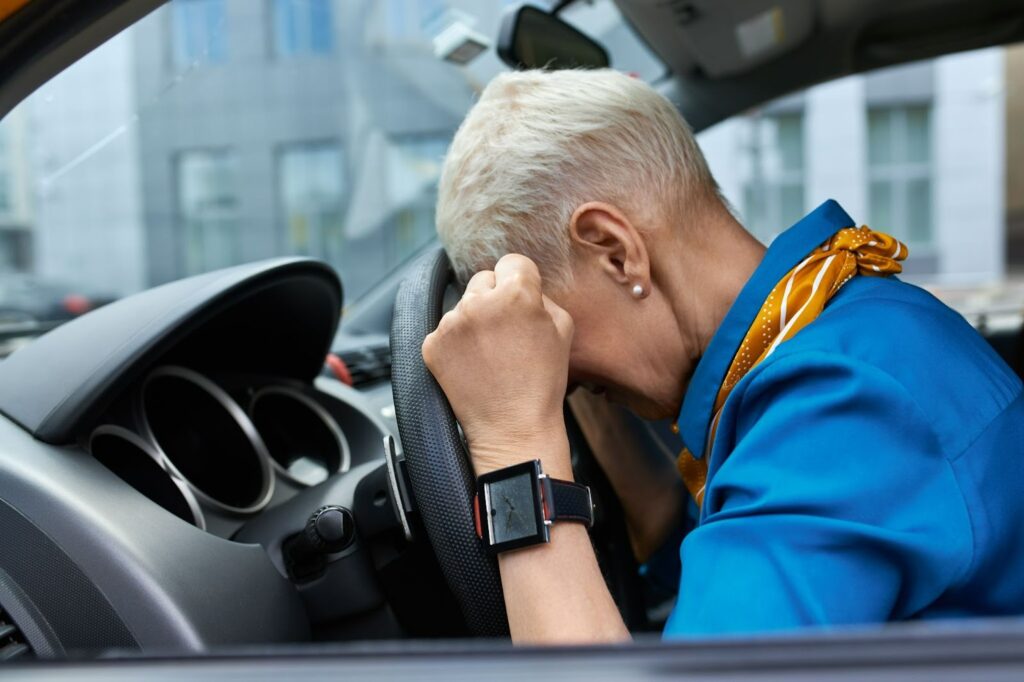
How Vertigo Affects Daily Life for Older Adults
Vertigo may seem like just a physical issue, but its effects reach far beyond balance. Older adults often face emotional and functional challenges, such as:
- Fear of falling, leading to avoidance of activity or social withdrawal
- Increased fall risk, which can cause fractures or head injuries
- Reduced confidence and independence
- Anxiety and depression linked to unpredictable dizziness episodes
- Difficulty driving, walking, or navigating crowded spaces
This is why a holistic approach to care — addressing both the physical and emotional aspects — is essential
Diagnosing Vertigo in Older Adults
Accurate diagnosis is crucial because dizziness can have multiple overlapping causes. A thorough evaluation may include:
- Medical History Review – To identify triggers, medications, and coexisting health issues.
- Physical and Neurological Exam – To assess balance, gait, and eye movement.
- Dix-Hallpike Maneuver – A positional test for diagnosing BPPV.
- Audiometric Tests – To check for hearing loss or ear disorders.
- Imaging (MRI or CT Scan) – To rule out stroke or central causes if symptoms are atypical.
- Blood Tests – To check for metabolic or cardiovascular problems.
Because older adults often have multiple contributing factors, a multidisciplinary approach — involving primary care doctors, neurologists, ENT specialists, and chiropractors — works best.
Chiropractic Care for Vertigo in Older Adults
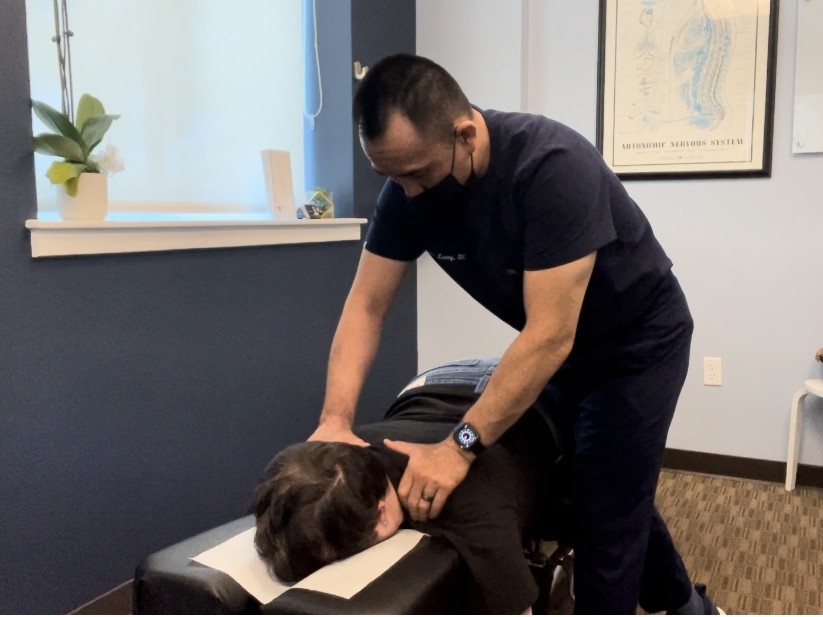
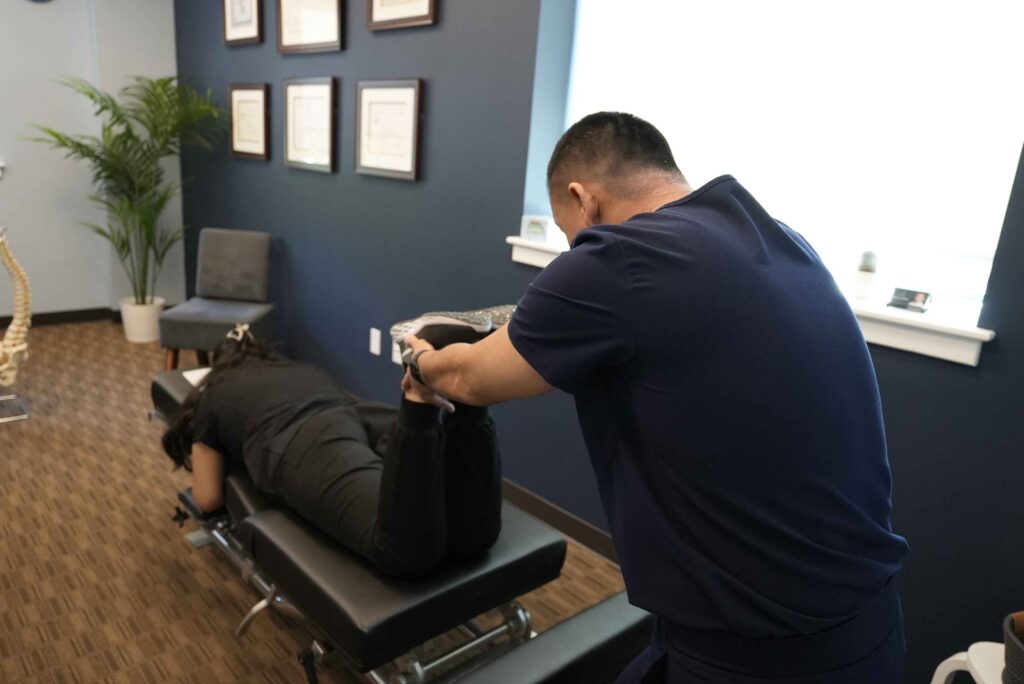
Chiropractic care offers a safe, drug-free approach that addresses both mechanical and neurological contributors to vertigo. For many seniors, gentle adjustments and targeted exercises can restore normal alignment, improve nerve communication, and enhance balance control.
How Chiropractic Helps
- Restores Cervical Alignment: Misalignments in the upper neck (especially C1 and C2 vertebrae) can affect blood flow and nerve signals to the balance centers of the brain.
- Improves Proprioception: Adjustments enhance joint movement and sensory feedback, which are critical for coordination.
- Supports Vestibular Rehabilitation: Chiropractors often combine manual therapy with balance and gaze stabilization exercises for optimal recovery.
- Encourages Better Posture: Correcting forward head posture or spinal curvature reduces strain on the neck and vestibular system.
Safety Considerations for Seniors
Experienced chiropractors use gentle, low-force techniques suitable for fragile bones or arthritic joints. They also assess for osteoporosis, medication use, and medical history before treatment to ensure safety.
Treatment Options for Vertigo in Seniors
The treatment plan depends on the cause but usually includes a combination of repositioning maneuvers, medication adjustments, vestibular rehabilitation, and lifestyle changes.
1. Canalith Repositioning Maneuvers
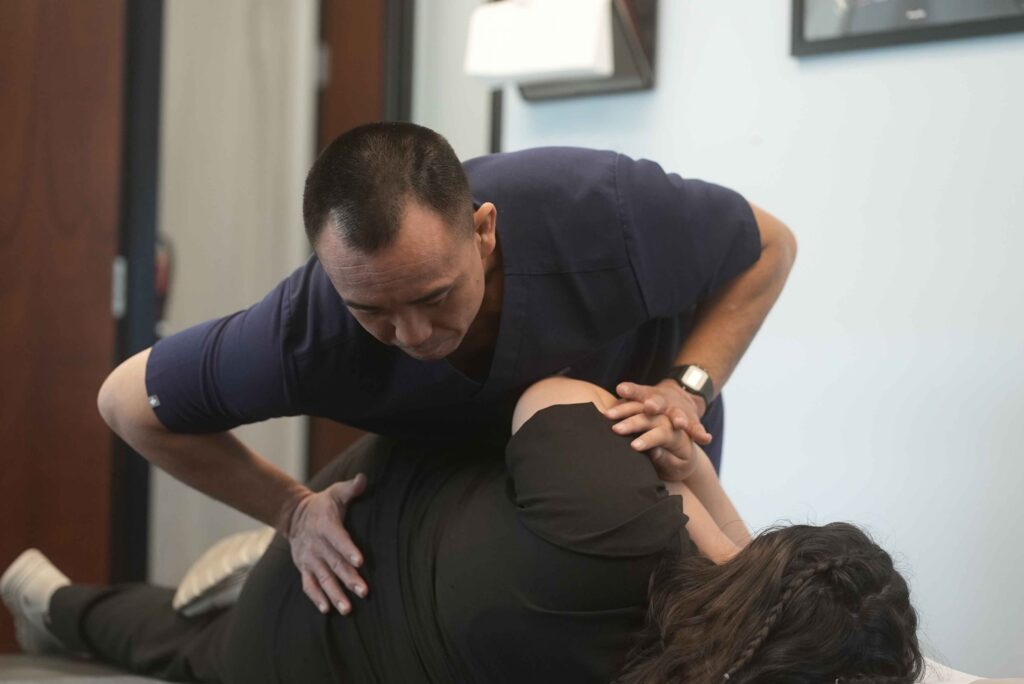
For BPPV, the Epley maneuver or Semont maneuver are highly effective. These gentle head and body movements help guide displaced ear crystals back to their proper chamber, relieving vertigo often within minutes.
2. Vestibular Rehabilitation Therapy (VRT)
VRT is a specialized form of physical therapy designed to retrain the brain to compensate for balance deficits. It includes exercises for:
- Eye and head coordination
- Balance and gait improvement
- Habituation (reducing sensitivity to motion)
This therapy has proven especially beneficial for seniors with lingering dizziness after vestibular neuritis or chronic imbalance from multiple causes.
3. Medication Management
Some medications, like vestibular suppressants or anti-nausea drugs, can temporarily relieve symptoms, but they are not long-term solutions. In older adults, these drugs must be used cautiously due to sedation or fall risks.
4. Addressing Neck Misalignment and Posture
In cases of cervicogenic vertigo, chiropractic adjustments, gentle mobilization, and posture correction can relieve pressure on the cervical spine and improve balance feedback.
5. Treating Underlying Conditions
If vertigo is linked to cardiovascular issues, dehydration, or medication side effects, addressing those root causes is essential. Adjusting blood pressure medications, improving hydration, or managing diabetes can reduce dizziness episodes.
Fall Prevention and Safety Tips for Seniors with Vertigo
Since vertigo increases fall risk, prevention strategies are vital:
- Install grab bars and non-slip mats in bathrooms.
- Keep hallways and floors clutter-free to avoid tripping hazards.
- Ensure proper lighting, especially at night.
- Avoid sudden head movements or quick position changes.
- Use assistive devices (like canes) temporarily if needed.
- Wear supportive footwear that enhances balance.
- Have vision and hearing checked regularly.
A chiropractor or physical therapist can perform a home safety assessment and recommend tailored balance exercises to strengthen stability.
Restoring Balance, Confidence, and Quality of Life
Vertigo is a reminder that the body’s systems — from the spine to the nervous system to the inner ear — are all interconnected. As we age, maintaining harmony among these systems becomes more important than ever.
At Resilience Chiropractic in San Leandro, we combine chiropractic and functional care to bring together the best of neurology, movement science, and holistic wellness — offering older adults a safe, natural path to reclaim their stability and peace of mind.
Living with vertigo can make even simple tasks feel overwhelming. But it doesn’t have to define your life — or your golden years. With personalized chiropractic adjustments, balance rehabilitation, and holistic support, many older adults find long-lasting relief and renewed independence.
If you or a loved one experiences frequent dizziness, don’t wait to seek help. Call Resilience Chiropractic today at (510) 969-4048 to schedule your consultation. Our experienced team will assess the root cause and develop a care plan tailored to your needs — so you can move through life with confidence and balance once again.