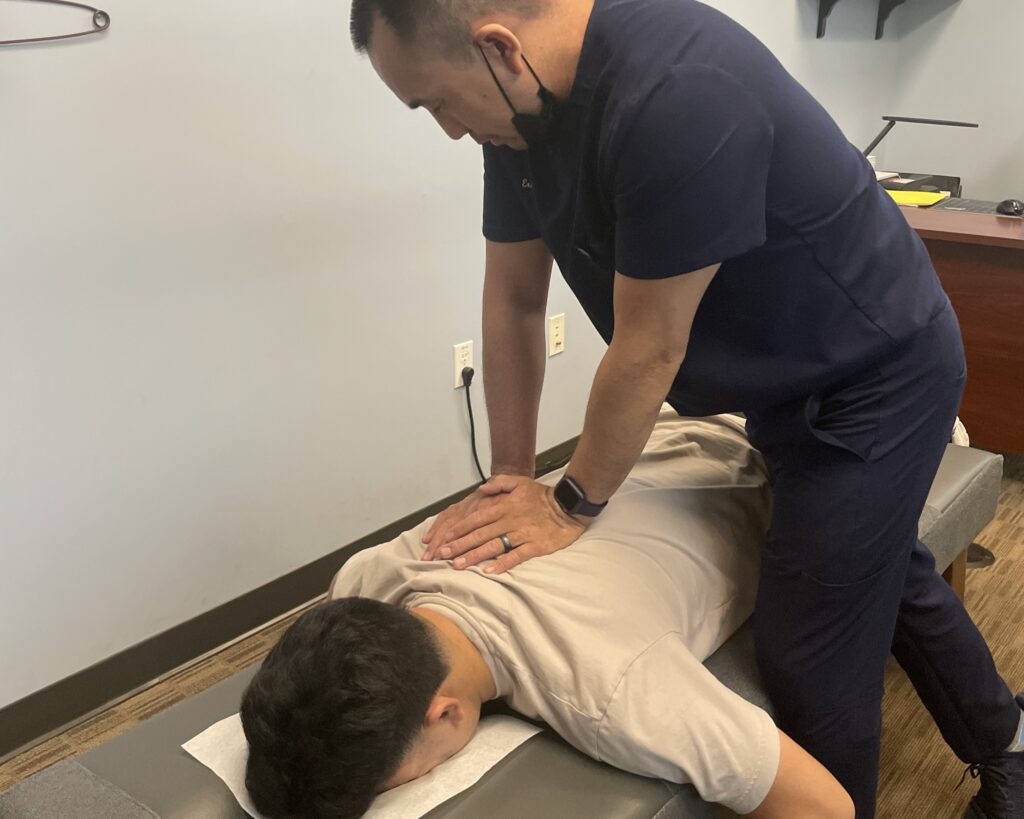
You might be surprised to learn just how much your alignment can influence your headaches. Proper spinal alignment is crucial because it can help alleviate muscle tension and reduce nerve irritation, which are common triggers for headaches. Factors like your posture, the setup of your workspace, and even the way you sleep all contribute to your spinal alignment. By understanding these connections, you can take simple steps toward effective headache relief.
So, what changes can you implement in your daily routine that might make a significant difference? Here are some tips to consider:
- Posture Awareness: Pay attention to your posture throughout the day. Whether you’re sitting at a desk or standing, keeping your spine aligned can help prevent tension that leads to headaches.
- Ergonomic Workspace: Make sure your workspace is set up for optimal posture. Your chair should support your lower back, and your computer screen should be at eye level to reduce strain.
- Sleep Position: Evaluate your sleep position. Sleeping on your back with a supportive pillow can help maintain spinal alignment and reduce the likelihood of waking up with a headache.
- Regular Chiropractic Care: Visiting a chiropractor can help ensure your spine is aligned and functioning properly. Regular adjustments can relieve tension and prevent headaches from becoming a recurring issue.
- Stretch and Move: Incorporate regular stretching and movement into your day. Simple stretches can alleviate tension in your neck and shoulders, which can help reduce headache frequency.
- Stay Hydrated: Dehydration can be a headache trigger, so make sure you’re drinking enough water throughout the day.
- Stress Management: Chronic stress can contribute to tension headaches. Explore relaxation techniques such as deep breathing, meditation, or yoga to help manage stress levels.
- Limit Screen Time: Prolonged screen time can lead to eye strain and tension headaches. Take regular breaks to rest your eyes and stretch your body.
- Healthy Lifestyle Choices: A balanced diet and regular exercise can support overall health and help prevent headaches by reducing tension and improving circulation.
- Listen to Your Body: If you notice specific activities or positions that trigger your headaches, try to adjust them. Being mindful of your body’s signals can lead to better alignment and fewer headaches.
By making these simple adjustments and prioritizing your spinal health, you can experience significant relief from headaches. Remember, chiropractic care is a natural and effective way to achieve optimal health and wellness. Your journey to headache relief starts with understanding the importance of alignment!
Key Takeaways
10 Ways Alignment Impacts Headache Relief
- When your spine is properly aligned, it helps reduce muscle tension and nerve irritation, which can alleviate tension headaches and migraines. Chiropractic care focuses on this alignment to help you find relief naturally.
- Misalignment in the neck can put extra strain on your muscles, making headaches worse, especially if you have poor posture. Regular chiropractic adjustments can help correct these misalignments and ease that strain.
- Scheduling regular visits to your chiropractor can help keep your spine in alignment, enhance blood flow, and decrease the frequency of your headaches. It’s a natural way to care for your body without relying on medications.
- Maintaining good posture and ergonomic setups in your workspace can prevent unnecessary strain on your body. Simple adjustments, like sitting up straight and ensuring your computer screen is at eye level, can significantly contribute to headache relief.
- Practicing mindfulness and relaxation techniques can make you more aware of your body’s alignment. Taking a moment to check in with yourself can help reduce tension and improve your overall well-being.
Remember, chiropractic care is here to support your journey toward optimal health, keeping you free from pain and discomfort naturally. By focusing on alignment and taking care of your spine, you can experience lasting relief from headaches and enjoy a healthier life.
Understanding the Connection Between Alignment and Headaches
When you think about headaches, you mightn’t immediately connect them to alignment, but this is a crucial factor in how your body operates. Poor alignment, especially in your neck and spine, can lead to muscle tension and nerve irritation, which are common triggers for headaches.
When your body’s structure is misaligned, it puts unnecessary strain on your muscles and ligaments, making them work harder than they should. This imbalance can result in various issues, from tension headaches to migraines. You may have noticed that certain postures, such as slouching at your desk or craning your neck to look at your phone, can worsen your discomfort.
By understanding how alignment affects your overall well-being, you can take proactive steps to improve your daily habits and reduce headache frequency. Chiropractic care is an excellent choice for addressing alignment issues naturally. Our trained chiropractors can help restore proper alignment to your spine and neck, alleviating tension and discomfort.
Additionally, being mindful of your posture throughout the day can make a significant difference. Here are some practical tips you can implement:
- Maintain Good Posture: Keep your back straight and shoulders relaxed when sitting or standing. Your ears should be aligned over your shoulders.
- Take Breaks: If you work at a desk, take regular breaks to stretch and move around. This helps reduce tension in your muscles.
- Limit Screen Time: Be aware of how often you’re looking at your phone or computer. Try to hold devices at eye level to avoid straining your neck.
- Stay Hydrated: Drinking plenty of water can help keep your muscles hydrated and functioning well.
- Consider Chiropractic Adjustments: Regular visits to your chiropractor can help maintain proper alignment and reduce the likelihood of headaches.
By making these small changes and seeking chiropractic care, you can take control of your health and potentially reduce the intensity and frequency of your headaches, leading to a more comfortable and enjoyable life.
The Importance of Spinal Alignment
Spinal alignment is vital for your overall health and well-being. When your spine is properly aligned, it supports your body’s structure, allowing you to function at your best. However, misalignment can lead to various issues, such as discomfort and tension, which may even trigger headaches.
Maintaining good spinal alignment is crucial for the efficient operation of your nervous system, as it’s protected by the spine. If your spine is out of alignment, it can cause nerve interference, leading to pain and other health concerns. You may not realize how much your posture and spine position impact your daily life, but even small misalignments can create significant discomfort.
Chiropractic care is an excellent choice for ensuring optimal spinal alignment and overall wellness. Regular chiropractic adjustments can help correct misalignments, relieving tension and pain naturally without the need for medications or surgeries.
Here are some tips to help you maintain good spinal alignment in your daily life:
- Practice Good Posture: Be mindful of your posture while sitting, standing, and walking. Keep your shoulders back, head up, and engage your core muscles.
- Ergonomic Workspace: If you work at a desk, make sure your chair and computer screen are at the right height to avoid straining your neck and back.
- Stay Active: Regular exercise can strengthen your core and back muscles, supporting your spine. Activities like yoga and Pilates can also improve flexibility and posture.
- Mind Your Sleep Position: Choose a supportive mattress and pillow to keep your spine aligned while you sleep. Side sleepers should consider placing a pillow between their knees for added support.
- Regular Chiropractic Visits: Make chiropractic care a part of your wellness routine. Regular adjustments can keep your spine aligned and help prevent discomfort before it starts.
By focusing on these simple tips and incorporating chiropractic care into your life, you can achieve and maintain optimal health through proper spinal alignment.
How Muscle Tension Contributes to Headaches
Understanding How Muscle Tension Contributes to Headaches
Muscle tension is a leading cause of headaches, often originating from tightness and discomfort in the neck and shoulders. Many people experience this tension due to poor posture, which can create a vicious cycle of pain that feels difficult to escape.
As a chiropractor, I want to help you understand the connection between muscle tension and headaches, so you can take steps towards relief and better overall health.
When your muscles are tense, they can pull on the structures of your spine, leading to misalignments that can contribute to headaches. This is where chiropractic care plays a crucial role. By addressing these misalignments, we can help relieve tension in your muscles and restore balance to your body.
Here are some practical tips to combat muscle tension and prevent headaches:
- Maintain Good Posture: Pay attention to how you sit, stand, and move throughout the day. Keeping your spine aligned and your shoulders relaxed can significantly reduce muscle tension.
- Take Breaks: If you’re sitting for long periods, make sure to take regular breaks. Stand up, stretch, and move around to relieve built-up tension.
- Stay Hydrated: Dehydration can lead to muscle cramps and tension. Make sure you drink plenty of water throughout the day.
- Incorporate Stretching and Exercise: Gentle stretching and regular exercise can help keep your muscles flexible and strong. Activities like yoga or simple neck and shoulder stretches can be particularly beneficial.
- Consider Chiropractic Care: Regular chiropractic adjustments can help alleviate muscle tension, improve your posture, and promote overall wellness. By focusing on the health of your spine and nervous system, chiropractic care can provide a natural and effective path to headache relief.
Taking care of your body is essential for preventing headaches and achieving optimal health. By understanding the role of muscle tension and incorporating these tips into your daily routine, you can work towards a healthier, pain-free life.
Muscle Tightness and Pain
Muscle tightness is a common trigger for headaches, and as a chiropractor, I want to help you understand how this tension can affect your well-being. When your muscles are tight, they can create pressure and discomfort, often leading to persistent pain.
Here are some common causes of muscle tightness that might be contributing to your headaches:
- Stress and anxiety
- Poor sleep quality
- Long hours spent sitting at a desk or using a computer
- Dehydration
By recognizing these factors, you can take steps to address the muscle tension that’s causing your headaches. Chiropractic care is an effective way to relieve muscle tightness and improve spinal health, which can lead to significant headache relief.
In addition to chiropractic adjustments, here are some simple strategies you can incorporate into your daily routine to help alleviate tightness:
- Stretching: Regular stretching can help relieve tension in your muscles. Try gentle neck and shoulder stretches throughout the day.
- Stay Hydrated: Drinking plenty of water is essential for muscle function. Dehydration can lead to increased muscle tightness, so make sure you’re drinking enough fluids.
- Practice Relaxation Techniques: Incorporating activities like yoga, meditation, or deep breathing exercises can reduce stress and tension in your body.
By managing muscle tension through these methods and regular chiropractic care, you may find significant relief from headaches while enhancing your overall wellness.
Posture’s Role in Tension
Many people don’t realize how much posture affects muscle tension and, consequently, headaches. When you slouch or lean forward, your neck and shoulder muscles have to work overtime to keep your head balanced. This added strain can lead to muscle tightness, which is often a precursor to tension headaches.
If you find yourself spending long hours at a desk or frequently looking down at your phone, you may start to notice discomfort creeping in. One of the best ways to combat this tension is by maintaining good posture. Here are some simple tips to help you out:
- Sit Up Straight: Keep your back straight and shoulders relaxed. Imagine a string gently pulling you up from the top of your head.
- Take Regular Breaks: Stand up, stretch, and move around at least once every hour. This helps relieve built-up tension in your muscles.
- Adjust Your Workspace: Make sure your computer screen is at eye level and your chair supports your lower back properly.
- Stay Mindful of Your Head Position: Try to keep your head aligned over your shoulders rather than jutted forward.
By focusing on these posture tips and incorporating them into your daily routine, you can significantly reduce muscle tension and lower your chances of experiencing headaches.
Moreover, regular chiropractic care can play a crucial role in helping you maintain optimal alignment, which can further enhance your overall health and well-being. As a chiropractor, I encourage you to consider how proper posture and chiropractic adjustments can lead to a more comfortable and focused day. Your journey toward natural wellness starts with these simple changes!
The Role of Posture in Headache Frequency
Your posture plays a crucial role in how often you experience headaches. When your body is out of alignment, it can cause muscle strain and tension, leading to discomfort and frequent headaches.
As a local chiropractor, I want to help you understand how maintaining good posture can’t only alleviate pain but also promote overall wellness.
By focusing on ergonomics at your workstation and being mindful of your body’s alignment throughout the day, you can significantly reduce the chances of developing headaches. Simple adjustments, like keeping your computer screen at eye level and using a chair that supports your lower back, can make a big difference.
Incorporating gentle stretching into your daily routine can also help relieve tension in the muscles that may be contributing to your headaches. Simple neck stretches, shoulder rolls, and even taking breaks to move around can promote better circulation and reduce stiffness.
Chiropractic care is an effective way to address posture-related issues and provide natural relief from headaches. Regular adjustments can help restore proper alignment, reduce muscle tension, and enhance your body’s ability to heal itself.
Remember, taking care of your spine is vital for your overall health and well-being. If you’re experiencing frequent headaches, consider reaching out for chiropractic care.
Together, we can work towards achieving optimal health and a headache-free life!
Poor Posture Consequences
When poor posture becomes a habit, it can significantly increase the frequency and intensity of headaches. Many people don’t realize that the way they sit or stand is crucial to their overall health and well-being.
As a chiropractor, I want to share with you some consequences of maintaining poor posture and how chiropractic care can help you achieve optimal health:
- Increased muscle tension: Slouching can lead to strain in your neck and shoulder muscles, creating discomfort and tension. Regular chiropractic adjustments can help relieve this tension and improve your posture.
- Reduced blood flow: When your body is misaligned, blood vessels can become compressed, restricting circulation to your brain. Chiropractic care focuses on realigning your spine, which can enhance blood flow and overall bodily function.
- Nerve irritation: Poor posture may irritate the nerves in your spine, contributing to headache symptoms. Chiropractic adjustments help to alleviate this irritation, promoting a healthier nervous system.
- Stress escalation: Poor posture can elevate stress levels, often triggering headaches. By maintaining proper alignment through chiropractic care, you can reduce stress and foster a sense of well-being.
Being mindful of your posture is essential for alleviating these issues and promoting better health overall.
Here are some simple tips to improve your posture:
- Set up your workspace: Make sure your computer screen is at eye level and your chair supports your lower back.
- Take breaks: Stand up, stretch, and move around every hour to prevent stiffness.
- Practice good sitting habits: Keep your feet flat on the ground and your back straight while sitting.
- Strengthen your core: Engaging in exercises that strengthen your core can support better posture.
Remember, chiropractic care is a natural and effective way to address posture-related issues and promote overall wellness.
If you’re experiencing headaches or discomfort, consider visiting your local chiropractor for personalized care tailored to your needs. Achieving optimal health is within reach!
Ergonomics and Headaches
As a chiropractor, I want to emphasize that the setup of your workspace plays a crucial role in your overall health and can significantly impact the frequency of headaches you may experience.
Poor ergonomics—such as an improperly aligned chair or a monitor positioned at the wrong height—can lead to strain in your neck and shoulders, which are common culprits of tension headaches. When you slouch or lean forward at your desk, it puts unnecessary pressure on your spine and muscles, which can trigger discomfort and pain.
To help reduce the risk of headaches, here are some simple yet effective tips to optimize your workspace:
- Monitor Height: Ensure your monitor is at eye level. This will help prevent neck strain and encourage a more natural posture while you work.
- Chair Support: Choose a chair that supports your lower back. Good lumbar support helps maintain the natural curve of your spine, reducing the risk of discomfort over time.
- Foot Position: Keep your feet flat on the ground. If your chair is too high, consider using a footrest to ensure your legs are at a comfortable angle.
- Arm Position: When typing, your arms should be at a 90-degree angle. This can help alleviate tension in your shoulders and upper back.
By optimizing your posture and workspace, you can maintain better alignment and minimize the likelihood of headaches in your daily routine.
Remember, chiropractic care is an excellent way to address any underlying spinal issues that may contribute to discomfort. Regular adjustments can improve your spinal health, enhance your posture, and support your overall well-being.
Embrace these tips and consider visiting your chiropractor to further enhance your journey to optimal health.
Stretching for Relief
Stretching can be a transformative practice for relieving headaches, particularly since poor posture is often a significant factor in their occurrence. By integrating regular stretching into your daily routine, you can effectively reduce tension in your neck, shoulders, and back—areas that frequently contribute to headache pain.
Alongside chiropractic care, stretching is a natural and effective way to enhance your overall wellness. Here are some simple stretches you can try:
- Neck Tilts: Sit or stand comfortably and gently tilt your head from side to side. This movement helps release tension in your neck muscles, promoting better alignment and reducing headache triggers.
- Shoulder Rolls: While seated or standing, roll your shoulders forward and then backward. This exercise helps ease tightness in your shoulders, which can often lead to discomfort and headaches.
- Chest Openers: Stand tall and stretch your arms wide apart. This counteracts slouching and opens up your chest, improving posture and allowing for better spinal alignment.
- Upper Back Stretch: Interlace your fingers and stretch your arms forward, rounding your upper back. This stretch helps release tightness and promotes a more relaxed state, which can help prevent headaches.
Remember, while these stretches can provide relief, regular chiropractic adjustments can play an essential role in maintaining spinal health and overall well-being.
A chiropractor can help you identify posture-related issues and provide personalized care to support your journey toward optimal health. By combining stretching with chiropractic care, you can take significant steps toward a headache-free life.
Adjusting Your Workspace for Better Alignment
Creating a workspace that supports your spine and overall health is crucial for preventing discomfort and headaches. Start by adjusting your chair height so your feet rest flat on the floor and your knees are bent at a comfortable 90-degree angle. This simple adjustment can help maintain proper alignment and reduce pressure on your spine.
Next, ensure your computer screen is at eye level, about an arm’s length away. This placement will help you avoid straining your neck, which is essential for keeping your spine aligned. If you use a keyboard, position it so your wrists stay straight, avoiding any awkward angles that could lead to tension or pain.
Keep your elbows close to your body, forming another 90-degree angle while typing. A chair with good lumbar support is invaluable, as it helps maintain the natural curve of your spine, promoting better posture and comfort throughout the day.
Additionally, decluttering your desk can work wonders for your mental clarity and reduce stress, which often contributes to headaches.
Lastly, consider using a headset during calls, which can prevent you from craning your neck and further straining your spine.
By implementing these adjustments, you’ll not only create a workspace that promotes better alignment but also support your overall health and wellness.
Stretching and Strengthening Exercises for Headache Relief
Maintaining proper alignment at your workspace is just the first step in preventing headaches. To further enhance your relief and promote natural wellness, incorporating stretching and strengthening exercises into your routine can make a significant difference.
These exercises not only help reduce tension but also improve your posture and overall well-being, which are key focuses of chiropractic care. Here are some effective moves you can try to support your journey to optimal health:
- Neck stretches: Gently tilt your head side to side, holding each position for a few seconds. This simple exercise can help relieve tightness in the muscles that may contribute to headaches.
- Shoulder rolls: Roll your shoulders forward and backward. This movement helps release tension in your upper back and enhances blood flow, which is essential for maintaining a healthy spine.
- Chest openers: Stand tall, clasp your hands behind your back, and stretch your chest. This counteracts slouching and promotes a more open posture, which can alleviate pressure on your neck and spine.
- Upper back strengthening: Consider performing rows with a resistance band or light weights. Strengthening the muscles that support good posture can prevent future headaches and improve your overall spinal health.
Remember, chiropractic care is an excellent choice for managing pain and promoting wellness. A chiropractor can provide personalized guidance on exercises tailored to your specific needs, helping you achieve lasting relief and improved health.
Always listen to your body, and don’t hesitate to reach out to a chiropractor for further support on your wellness journey.
The Impact of Sleep Position on Alignment and Headaches
Your sleep position plays a crucial role in your spinal alignment, which can significantly influence the frequency and severity of headaches. As a chiropractor, I emphasize the importance of choosing the right pillow height to support your neck and maintain proper spine alignment throughout the night. When your spine is aligned, your body can relax fully, allowing you to wake up feeling refreshed and headache-free.
Here are some simple tips to enhance your sleep position for better spinal health:
- Pillow Height: Choose a pillow that keeps your neck in a neutral position. If you’re a back sleeper, opt for a thinner pillow. Side sleepers may benefit from a firmer, thicker pillow to fill the gap between the shoulder and head.
- Sleep Position: If possible, try to sleep on your back or side rather than your stomach. Sleeping on your stomach can cause your neck to twist, leading to misalignment and discomfort.
- Mattress Support: Ensure your mattress provides adequate support. A mattress that’s too soft may not support your spine properly, while one that’s too firm may create pressure points.
- Stretch Before Bed: Engage in gentle stretches or yoga before bedtime to relieve tension in your muscles and promote relaxation.
- Chiropractic Care: Regular chiropractic adjustments can help maintain proper alignment, which not only alleviates headaches but also enhances overall wellness. By addressing misalignments in your spine, chiropractic care can support your body’s natural ability to heal and function optimally.
By focusing on these tips and incorporating chiropractic care into your wellness routine, you can take proactive steps toward a healthier, more pain-free life.
Ideal Sleep Positions
As a chiropractor, I understand that many factors contribute to headaches, and one significant aspect is the position you sleep in. The way you align your body during sleep can greatly affect your comfort and overall spinal health. By choosing the right sleep positions, you can help reduce tension and improve your chances of waking up headache-free.
Here are some ideal sleep positions to consider:
- Sleeping on your back: This is often the best position for spinal alignment. It evenly distributes your body weight and helps maintain the natural curve of your spine. Using a supportive pillow can also enhance this position, keeping your neck properly aligned.
- Sleeping on your side: This position can help reduce pressure on your neck and improve alignment. It’s beneficial to place a pillow between your knees to maintain hip alignment, which can further alleviate tension in your spine.
- Fetal position: Curling up in this position can relieve tension, but it’s essential to be mindful of your spine. Ensure that you don’t twist your body too much, as this can lead to discomfort. A supportive pillow can help keep your neck in a neutral position.
- Avoid stomach sleeping: This position can place unnecessary strain on your neck and misalign your spine, which may increase the risk of headaches. Instead, try transitioning to one of the other recommended positions for better results.
In addition to these tips, regular chiropractic care can play a vital role in achieving optimal health and wellness. A chiropractor can help address any spinal misalignments and provide personalized advice on maintaining good posture, both during sleep and throughout your day.
Pillow Height Matters
Choosing the right pillow height is crucial for maintaining proper spinal alignment and preventing headaches during sleep. When your pillow is too high or too low, it can place unnecessary strain on your neck and shoulders, leading to discomfort and tension headaches.
As a chiropractor, I often see patients who experience these issues, and many times, adjusting pillow height can provide significant relief.
For side sleepers, a firmer, higher pillow is typically beneficial. This helps fill the space between your head and the mattress, supporting the natural curve of your spine.
Back sleepers may find that a medium loft pillow allows for optimal spinal alignment, ensuring that your neck is properly supported without being overextended.
Stomach sleepers, however, should opt for a flatter pillow to reduce the risk of neck strain and keep the spine in a more neutral position.
It’s essential to evaluate your sleep position and adjust your pillow accordingly. Here are some general tips to help you find the right pillow height:
- Consider Your Sleep Position: Identify whether you primarily sleep on your side, back, or stomach, and choose a pillow that complements that position.
- Test Your Pillow: When lying down, your neck should remain in a neutral position, not bent up or down. If you feel strain, try a different pillow or adjust the height.
- Invest in Quality: A good quality pillow can make a significant difference in your sleep quality and overall health. Look for materials that offer both support and comfort.
- Consult a Chiropractor: If you’re experiencing persistent pain or headaches, consider consulting a chiropractor. They can help assess your posture and provide personalized recommendations for your pillow and sleep setup.
Finding the right pillow height can greatly enhance your sleep quality and reduce the chances of waking up with headaches.
Spine Alignment Importance
The Importance of Spine Alignment for Health and Well-being
As a chiropractor, I want to emphasize how crucial proper spine alignment during sleep is for your overall health, as it can significantly affect the frequency of headaches and other discomforts. Your sleeping position plays a vital role in maintaining this alignment.
Here are some simple tips to help you achieve better spine health through your sleep:
- Sleep Position: If you can, try to sleep on your side. This position can promote better spine alignment. On the other hand, sleeping on your stomach often places unnecessary strain on your neck, which can lead to pain and tension.
- Mattress Support: Choosing a mattress that offers the right support is key. A good mattress will help keep your spine aligned while you sleep, reducing pressure points and improving your overall comfort.
- Pillow Choice: Selecting the right pillow is just as important. A pillow that maintains the proper height will support your neck and help keep it aligned with your spine. This can prevent tension headaches and neck pain, allowing you to wake up feeling refreshed.
- Body Alignment: Aim to keep your head, neck, and spine in a straight line while you sleep. This alignment minimizes discomfort and promotes a more restful sleep.
Remember, making small adjustments to your sleep habits can lead to significant improvements in your health.
If you’re experiencing persistent pain or discomfort, consider visiting a chiropractor. Chiropractic care focuses on natural healing and can help you achieve optimal spine alignment, leading to better health and wellness overall.
Take care of your spine, and it will take care of you!
How Foot Alignment Affects Overall Body Harmony
When your feet aren’t aligned correctly, it can disrupt your entire body’s balance, leading to discomfort and pain. Misalignment in your feet can affect how you walk and stand, which can create strain in your knees, hips, and even your back. This imbalance often results in muscle tension and can even trigger headaches due to the interconnectedness of your body’s systems.
You mightn’t realize it, but every step you take impacts your body. If your foot alignment is off, it can create a ripple effect, disrupting harmony in your posture and movement. By addressing foot alignment through chiropractic care, you can enhance your overall body mechanics, promote better posture, and reduce unnecessary tension.
Taking care of your feet is crucial; when they’re aligned, your body functions more efficiently. Chiropractic adjustments can help restore proper alignment, allowing for optimal health and comfort.
Additionally, you can support your foot health by wearing well-fitting shoes, practicing good posture, and stretching regularly.
The Benefits of Regular Chiropractic Care
Regular chiropractic care is an essential part of maintaining your overall well-being, particularly when it comes to addressing issues like foot alignment. By ensuring that your body is properly aligned, you can unlock a host of benefits that lead to a healthier and more vibrant life.
Here are some of the key advantages of incorporating regular chiropractic visits into your routine:
- Pain Relief: One of the most significant benefits of chiropractic adjustments is their ability to relieve pain. Whether you’re struggling with headaches, neck pain, or back pain, chiropractic care focuses on correcting misalignments in your spine and joints, helping you feel more comfortable and free from discomfort.
- Improved Mobility: Regular chiropractic visits help maintain your body’s flexibility and range of motion. This means that everyday activities, from bending down to tie your shoes to reaching for items on a high shelf, become easier and more enjoyable.
- Enhanced Posture: A chiropractor can provide valuable guidance on how to improve your posture. Good posture reduces unnecessary strain on your body and can help prevent future problems, making it a vital aspect of your long-term health.
- Stress Reduction: Chiropractic care promotes relaxation and can significantly lower your stress levels. By addressing physical tension in your body, you can experience a boost in your overall mental well-being, making it easier to handle daily challenges.
To maximize the benefits of chiropractic care, consider these helpful tips:
- Stay Consistent: Just like any other health routine, consistency is key. Regular visits to your chiropractor can help maintain your progress and keep your body functioning at its best.
- Listen to Your Body: Pay attention to how your body feels. If you notice any discomfort or changes in your health, don’t hesitate to reach out to your chiropractor for advice.
- Practice Good Posture: Make a conscious effort to maintain good posture throughout your day, whether sitting at a desk, standing, or walking. This simple change can prevent many issues down the line.
- Stay Active: Incorporate regular physical activity into your routine. Movement helps keep your body flexible and supports the benefits of chiropractic adjustments.
Incorporating regular chiropractic care into your life can lead to substantial improvements in your health and well-being.
Don’t overlook the power of proper alignment—it’s a natural way to enhance your quality of life and achieve optimal health!
Mindfulness and Alignment: A Holistic Approach to Headache Relief
Headaches can be a significant burden, often caused by a mix of physical and emotional factors. As a local chiropractor, I want to share how incorporating mindfulness into your daily routine can enhance your spinal alignment and support headache relief.
Mindfulness helps you become more aware of your posture, muscle tension, and breathing, all of which can influence how often and how intensely you experience headaches. When you practice mindfulness, you start to notice what triggers your stress and how it manifests in your body. This increased awareness can lead to better spinal alignment, reducing the strain on your muscles and joints.
Simple techniques like deep breathing and meditation not only promote relaxation but can also help ease headache symptoms. Regular chiropractic check-ups are essential for maintaining your physical alignment and can greatly complement your mindfulness practices. Chiropractic care focuses on the spine, ensuring that your body is functioning optimally.
By combining these approaches, you create a holistic strategy that nurtures both your mind and body, paving the way for long-lasting headache relief.
Here are some practical tips to help you get started:
- Daily Mindfulness Check-Ins: Take a few minutes each day to check in with your posture. Adjust your sitting or standing position to ensure your spine is aligned.
- Breathing Exercises: Practice deep breathing whenever you feel tension building. Inhale deeply through your nose, hold for a moment, and exhale slowly through your mouth.
- Stay Hydrated: Dehydration can contribute to headaches, so ensure you’re drinking enough water throughout the day.
- Regular Chiropractic Visits: Make it a point to visit your chiropractor regularly to maintain your spinal health and address any alignment issues before they lead to headaches.
Conclusion
Incorporating alignment into your daily routine can significantly reduce the frequency and intensity of headaches. By prioritizing spinal health and maintaining good posture, you can take powerful steps toward finding relief. It’s essential to create a workspace that supports your body, ensuring that your computer screen is at eye level and your chair offers proper back support.
Don’t overlook the importance of sleep position and foot alignment, as they play a vital role in your overall well-being. For instance, sleeping on your back with a supportive pillow can help maintain spinal alignment throughout the night.
Regular chiropractic care is one of the best ways to promote natural healing and relieve headaches. A chiropractor can assess your spinal alignment and provide personalized adjustments to restore balance and ease tension. Additionally, incorporating mindfulness practices like deep breathing or gentle yoga can further enhance your sense of well-being.
By making alignment a priority in your life, you’re not just alleviating headaches; you’re also nurturing your overall health and harmony within your body. Remember, simple changes can make a big difference—so start today and consider chiropractic care as your go-to solution for pain relief and optimal wellness.