If you’re dealing with neck pain or want to take proactive steps to prevent it, incorporating effective exercises into your routine can be incredibly beneficial. Strengthening and stretching the neck muscles not only helps maintain flexibility and support, but it also contributes to overall spinal health. It’s remarkable how simple movements can relieve discomfort and enhance your daily well-being.
As a local chiropractor, I believe in the power of natural healing through chiropractic care. By focusing on exercises that support your neck, you can improve your alignment and reduce the risk of pain in the future. Let’s take a look at some of the top exercises that can help you protect your neck and improve your comfort.
- Neck Tilts: While sitting or standing straight, slowly tilt your head to one side, bringing your ear toward your shoulder. Hold for a few seconds, then switch sides. This gentle stretch helps to relieve tension and improve flexibility in the neck muscles.
- Chin Tucks: Sit or stand with your back straight. Gently tuck your chin in towards your chest, as if you’re trying to create a double chin. Hold for a few seconds, then release. This exercise strengthens the muscles that support your neck and helps improve posture.
- Shoulder Shrugs: Raise your shoulders up toward your ears, hold for a moment, and then relax them back down. Repeat several times. This simple movement releases tension in the shoulders and neck, promoting relaxation.
- Neck Rotation: Slowly turn your head to one side, keeping your chin parallel to the ground. Hold for a moment, then rotate to the other side. This exercise increases your neck’s range of motion and can help alleviate stiffness.
- Upper Back Stretch: Interlace your fingers and stretch your arms out in front of you, rounding your upper back. This stretch can help relieve tension in the neck and upper back area.
In addition to these exercises, remember to maintain good posture throughout your day. Whether you’re sitting at a desk or using your phone, keeping your alignment in check can prevent strain on your neck. Also, consider regular chiropractic adjustments to ensure that your spine is properly aligned, which can enhance your overall health and wellness.
By integrating these simple exercises into your routine and prioritizing chiropractic care, you can effectively manage and prevent neck pain, leading to a healthier, more comfortable life. Always listen to your body, and if you’re experiencing persistent discomfort, don’t hesitate to reach out for professional chiropractic support.
Understanding Neck Pain: Causes and Symptoms
Neck pain can arise from a variety of sources, but understanding its causes and symptoms is crucial for effective prevention and treatment. Many people experience neck pain due to poor posture, which often occurs from spending long hours at a desk or frequently looking down at their phones. Muscle strain is another common cause; overexertion during physical activities or sleeping in an awkward position can lead to discomfort.
Additionally, conditions like arthritis or herniated discs can contribute to ongoing pain. It’s important to recognize the symptoms of neck pain early on. You might feel stiffness, tenderness, or even pain that radiates down your arms. Some may also notice headaches or a limited range of motion. By identifying these factors early, you can take proactive steps to address them before they worsen.
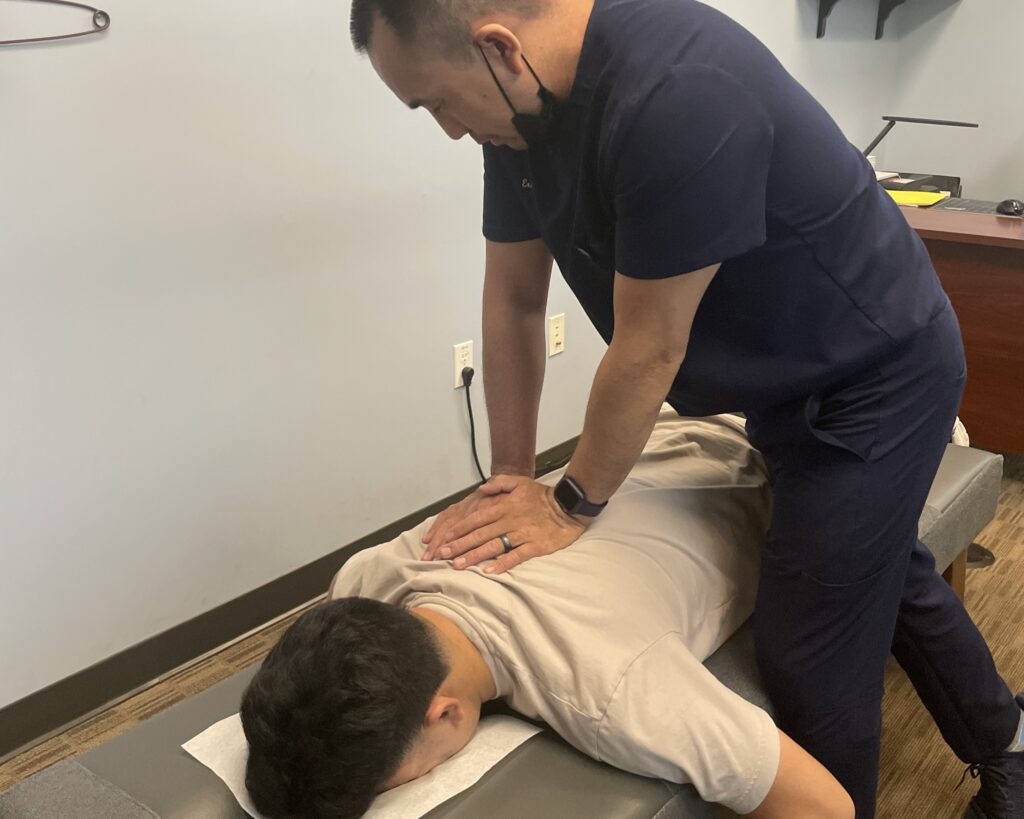
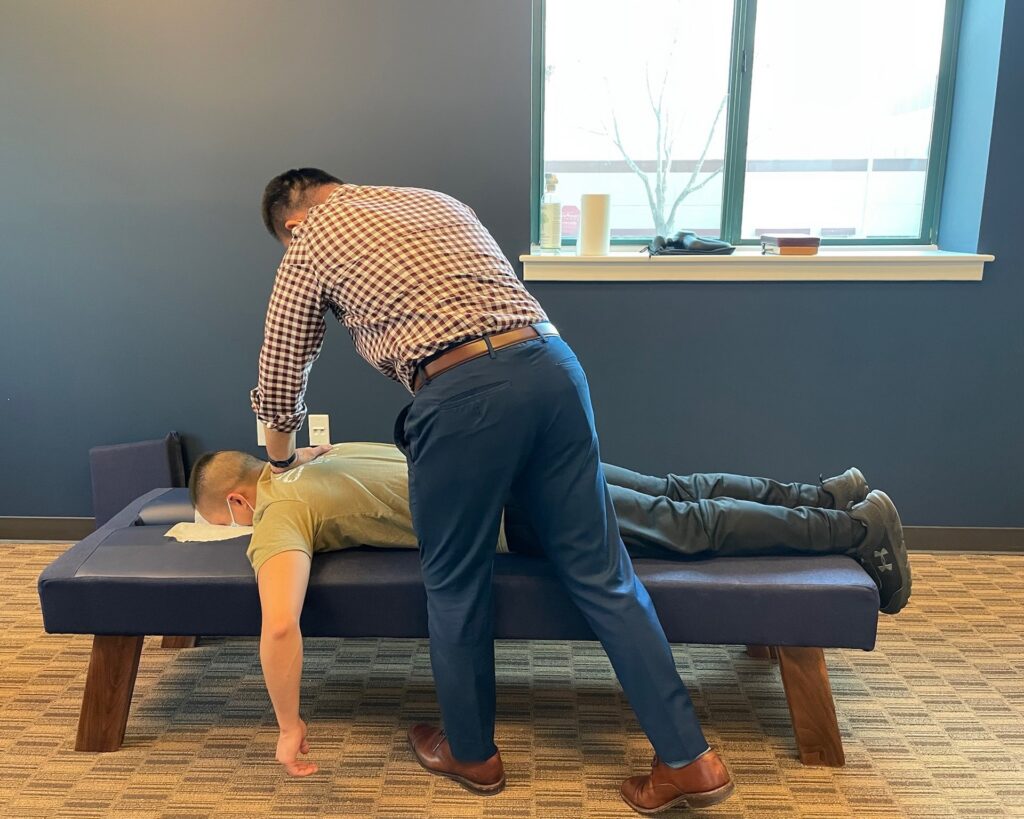
Chiropractic care is an excellent choice for managing neck pain naturally. Chiropractors focus on spinal health and can help align your spine, relieving tension and improving mobility. Regular chiropractic adjustments can promote better posture, which is essential in preventing neck pain.
Here are some tips you can incorporate into your daily routine to support neck health:
- Maintain Good Posture: Keep your shoulders back and head aligned over your spine while sitting or standing. Consider using ergonomic chairs and desks to support your posture.
- Take Breaks: If you work at a desk or use your phone frequently, take regular breaks to stretch and move around. This helps reduce strain on your neck muscles.
- Practice Neck Stretches: Gentle neck stretches can relieve tension. Try tilting your head side to side and forward and backward to increase flexibility.
- Sleep Smart: Use a supportive pillow that keeps your neck aligned with your spine. Avoid sleeping on your stomach to reduce strain.
- Stay Hydrated: Drink plenty of water to keep your muscles hydrated and functioning properly.
Importance of Neck Strengthening Exercises
Building on the understanding of neck pain, incorporating strengthening exercises can play a vital role in both preventing and recovering from discomfort. Strong neck muscles are essential for supporting your head and spine, which helps reduce the risk of injury and strain. When your neck is strong, it stabilizes the area, promoting better posture and alignment during everyday activities.
Regularly performing neck strengthening exercises can enhance your overall mobility and alleviate discomfort, especially if you find yourself sitting at a desk or using electronic devices for long periods. A strong neck can also help relieve tension that builds up from stress or poor ergonomics, which is something we often see in our practice.
In addition to strengthening, these exercises can improve blood circulation in the neck area, promoting healing and reducing stiffness. This is why incorporating neck strength training into your routine is essential for maintaining a healthy neck.
As a chiropractor, I encourage you to prioritize these exercises for long-term benefits. Simple movements like neck tilts, gentle rotations, and resistance exercises can make a significant difference.
Essential Stretches for Neck Flexibility
To maintain a healthy and flexible neck, incorporating essential stretches into your daily routine can greatly reduce tension and discomfort. As a local chiropractor, I emphasize the importance of these stretches not only for flexibility but also for overall spinal health.
Let’s start with the neck tilt stretch. Gently tilt your head to one side, bringing your ear toward your shoulder. Hold this position for 15-30 seconds to feel a nice stretch along the side of your neck. Then, switch sides. This simple movement can help alleviate tightness and promote relaxation in the neck area.
Next, try the chin tuck stretch. While sitting or standing tall, gently pull your chin back towards your throat. This stretch helps lengthen the muscles in the back of your neck, providing relief from the tension that often builds up from poor posture. Hold for a few seconds and repeat a few times.
Another effective stretch is the neck rotation. Slowly turn your head to one side, looking over your shoulder. Hold this position for 15-30 seconds, then rotate to the other side. This movement not only enhances your neck’s range of motion but also helps you become more aware of your posture throughout the day.
Finally, don’t forget the upper trapezius stretch. While seated or standing, reach one arm down and tilt your head to the opposite side. You should feel a gentle stretch along the side of your neck and shoulder. This stretch is excellent for releasing tightness in the upper trapezius muscles, which are often affected by stress and poor ergonomics.
Incorporating these stretches into your daily routine can keep your neck flexible, reduce stiffness, and promote comfort.
Remember, regular chiropractic care is also a fantastic way to support your neck’s health and overall wellness. By aligning your spine and addressing any underlying issues, chiropractic adjustments can enhance the effectiveness of your stretches and help you achieve optimal health naturally.
Prioritize your neck health, listen to your body, and consider scheduling a visit to your chiropractor for a personalized approach to your wellness journey.
Daily Posture Tips to Reduce Neck Strain
How can you maintain good posture throughout your daily activities to prevent neck strain? It all starts with being aware of your head position. Aim to keep your ears aligned with your shoulders, steering clear of leaning forward or slouching.
When you sit, ensure your chair is adjusted so that your feet are flat on the floor and your knees are at a right angle. If you’re working at a desk, it’s essential to position your computer screen at eye level. This simple adjustment can help you avoid looking down or craning your neck, which can lead to discomfort.
When using your phone, try to hold it at eye level rather than bending your head down. While standing, distribute your weight evenly on both feet, and remember to keep your knees slightly bent—this helps maintain balance and reduces strain on your back and neck.
Incorporating regular breaks into your day to stretch and move around is crucial for resetting your posture and alleviating tension. These small changes can significantly reduce neck strain and encourage better overall posture.
As a chiropractor, I emphasize that maintaining proper posture is a vital aspect of natural healing and wellness. By adopting these tips into your daily routine, you’re not just addressing discomfort; you’re also supporting your spine’s health and overall well-being.
If you continue to experience neck strain or discomfort, consider seeking chiropractic care. Chiropractic adjustments can help restore balance and alignment, promoting optimal health and providing a natural approach to pain relief.
Creating a Consistent Neck Exercise Routine
Maintaining good posture is essential for preventing neck strain, and when combined with a consistent neck exercise routine, you can greatly enhance your efforts toward a healthier, pain-free life.
As a chiropractor, I encourage you to incorporate exercises that specifically target the muscles surrounding your neck. Simple movements such as neck stretches, shoulder rolls, and chin tucks can work wonders for your neck health.
Aim to dedicate at least 10 minutes each day to these exercises. You can easily incorporate them into your daily routine—perhaps right after your morning shower or during a break at work.
Remember, consistency is crucial; even short sessions can lead to significant improvements over time.
To keep yourself motivated, consider tracking your progress. This can serve as a great reminder of how far you’ve come. It’s also important to listen to your body; if you experience any discomfort or pain, make adjustments to your routine as needed.
By committing to this practice and integrating these exercises into your life, you’ll not only strengthen your neck but also promote overall well-being.
Chiropractic care can further enhance these efforts by addressing any underlying issues and ensuring that your spine is aligned properly, which is vital for optimal health.
So, if you’re looking for natural ways to relieve pain and improve your quality of life, consider making chiropractic care a part of your wellness journey.
Conclusion
Incorporating neck pain prevention exercises into your daily routine can significantly enhance your neck health. By focusing on strengthening, stretching, and maintaining good posture, you can help reduce the risk of pain and discomfort. As a local chiropractor, I encourage you to prioritize these exercises as a natural way to support your spinal health without the need for surgeries or medications.
Here are some simple yet effective neck exercises you can try:
- Neck Stretches: Gently tilt your head to one side, bringing your ear towards your shoulder, and hold for 15-30 seconds on each side. This helps release tension in the neck muscles.
- Chin Tucks: Sit up straight and pull your chin in towards your neck, creating a double chin. Hold for a few seconds and release. This exercise strengthens the muscles that support good posture.
- Shoulder Rolls: Roll your shoulders forward and then backward in a circular motion. This helps alleviate tightness and improve blood flow to the neck area.
- Wall Angels: Stand with your back against a wall and raise your arms into a ‘W’ shape. Slowly slide your arms up to form a ‘Y’ and back to ‘W’. This promotes shoulder mobility and helps maintain proper posture.
- Resistance Band Exercises: Use a resistance band to perform gentle neck movements, such as looking left and right against the band’s resistance. This strengthens the neck muscles while promoting stability.
Remember to listen to your body and adjust your routine as needed. Consistency is key, so aim to make these exercises a regular part of your life. You may notice improved flexibility and resilience in your neck over time.
In addition to these exercises, maintaining good posture throughout your day—whether sitting at a desk or using your phone—can greatly impact your neck health. If you ever experience persistent pain, consider visiting a chiropractor. Chiropractic care is focused on natural healing and can help restore balance to your spine, ultimately leading to better overall health.
Take care of your neck; it’s worth it! By integrating these exercises and seeking chiropractic support, you’ll be on your way to a healthier, pain-free life.