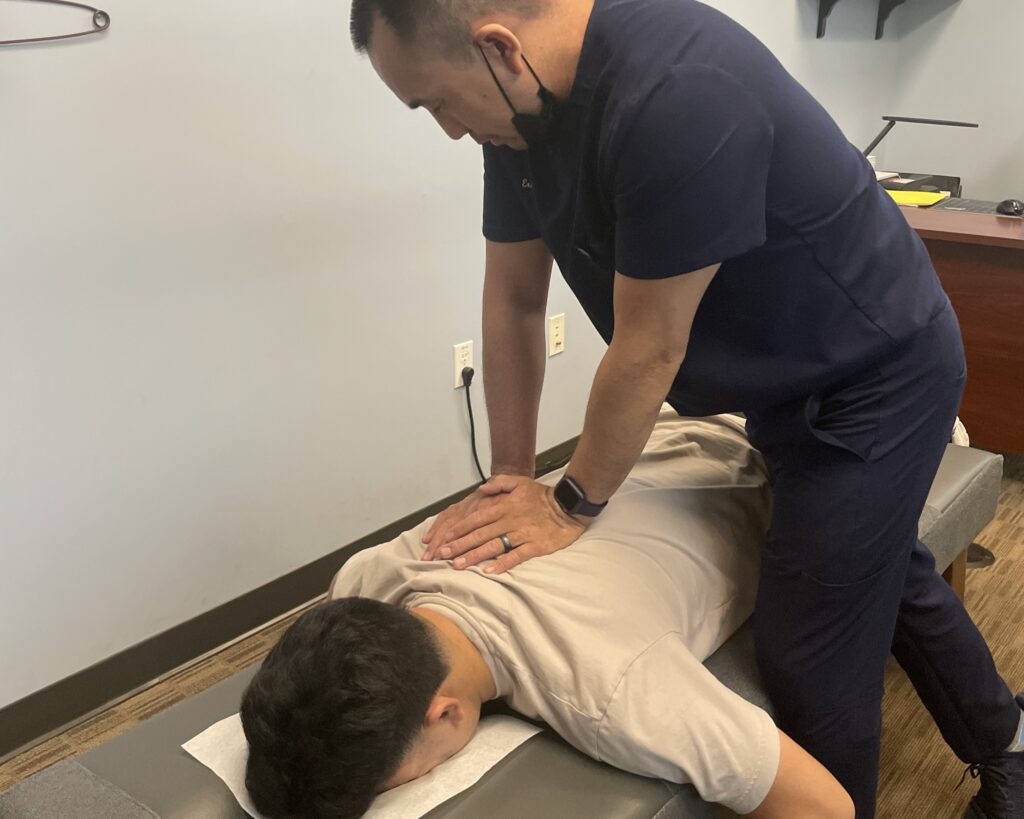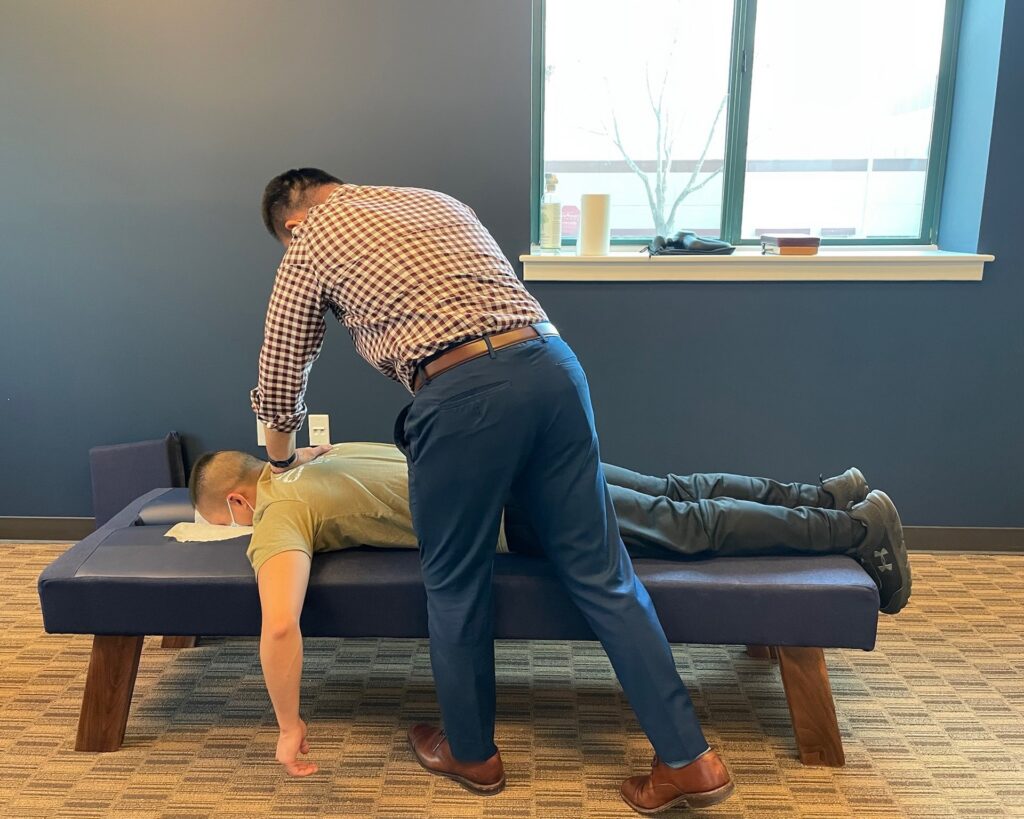
As a local chiropractor, I want to help you understand the causes of muscle strain and back pain, which can be quite frustrating. Many people experience these issues without realizing that they often stem from everyday habits, such as improper lifting techniques and poor posture. It’s easy to overlook how these daily activities can lead to discomfort until it starts to interfere with your quality of life.
Recognizing the root causes of your pain is key to finding effective relief and preventing future issues. Common triggers for muscle strain and back pain include repetitive movements, lack of exercise, and even stress. By identifying these factors, we can work together to create a plan that promotes healing and restores your mobility.
In chiropractic care, we focus on natural healing methods that help your body function optimally. This includes adjustments to align the spine properly, exercises to strengthen your muscles, and advice on improving your posture. By addressing the underlying issues, we can help you regain comfort and prevent further pain. Let’s take the first step towards your recovery together!
Understanding Muscle Strain
As a local chiropractor, I want to take a moment to educate you about muscle strain—a common issue that many people experience, often without realizing it.
When you engage in physical activity or lift something heavy, it’s possible to inadvertently strain a muscle. This can lead to pain and discomfort that might affect your daily activities.
Muscle strain occurs when the fibers in a muscle are overstretched or torn. This often happens due to improper lifting techniques or sudden, unexpected movements. You may notice immediate pain, stiffness, or swelling in the area that has been affected.
Understanding how muscle strain occurs is essential for prevention. Many strains arise from inadequate warm-ups or pushing your body too hard without proper preparation. Ignoring signs of fatigue can also lead to strain, as your muscles may not be ready for the level of exertion you’re asking of them.
To help minimize your risk of muscle strain, I recommend always warming up before any workout and practicing proper lifting techniques.
It’s crucial to listen to your body—if you experience any discomfort, take a step back and allow yourself time to rest and heal. Recognizing the early signs of muscle strain can make a significant difference in your recovery process.
As your chiropractor, I’m here to support you in understanding your body and its needs. If you have any concerns about muscle strain or are looking for natural healing methods, don’t hesitate to reach out.
Together, we can work towards preventing injury and promoting your overall well-being.
Common Causes of Back Pain
As a local chiropractor, I want to help you understand that back pain can frequently arise from everyday habits that you may not even be aware of.
For instance, maintaining poor posture while sitting or standing can create unnecessary strain on your spine. Additionally, engaging in physical activities without proper warm-up or overexerting yourself can also lead to muscle discomfort and tension.
By becoming aware of these common culprits, you can take proactive steps to not only prevent back pain but also find relief through natural healing methods.
Together, we can improve your spinal health and enhance your overall well-being.
Poor Posture Habits
As a local chiropractor, I want to help you understand how poor posture habits can significantly impact your back health, often without you even realizing it.
In our daily lives, many of us spend hours hunched over our phones or computers, which can lead to discomfort and tension. Here are three common poor posture habits that you might want to be aware of:
- Slouching: When you sit or stand with rounded shoulders, it places unnecessary strain on your spine. Over time, this can lead to pain and discomfort. I encourage you to be mindful of your posture and try to maintain a straight back.
- Forward Head Position: Leaning your head forward while looking at screens can increase pressure on your neck and upper back. This position may seem comfortable in the moment, but it can lead to chronic issues if not corrected. Remember to bring your screens to eye level and keep your head aligned with your spine.
- Crossed Legs: While it may feel comfortable to sit with crossed legs, this habit can misalign your pelvis and spine, contributing to discomfort over time. Instead, try to keep your feet flat on the floor and your knees at a right angle when sitting.
By being aware of these habits, you can take proactive steps towards better posture and overall spinal health.
If you have any questions or concerns about your posture, don’t hesitate to reach out. Together, we can work towards a healthier, pain-free life!
Muscle Overexertion Issues
As a local chiropractor, I want to emphasize the importance of being aware of muscle overexertion and how it can significantly impact your back health.
Even if you maintain good posture, the act of lifting heavy objects, engaging in rigorous workouts, or performing repetitive tasks can lead to muscle strain and discomfort. It’s crucial to listen to your body; if you start feeling fatigued or sore, that’s your body’s way of signaling that it’s time to take a break.
Incorporating stretching into your routine—before and after physical activities—can be a vital step in preventing muscle overexertion. Additionally, I encourage you to be aware of your physical limits. It’s important not to push yourself too hard, especially if you aren’t accustomed to certain activities.
Rest days are just as important as active days; they allow your muscles to recover properly, which can help minimize the risk of back pain.
The Impact of Poor Posture
As your local chiropractor, I want to emphasize the significant impact that poor posture can have on your back health. Many people don’t realize that slouching and poor alignment can lead to increased muscle tension and discomfort, especially if you spend long hours sitting at a desk.
It’s important to recognize how your workspace setup might be contributing to these issues.
By understanding the principles of ergonomics, you can take proactive steps to prevent pain and promote a strong, healthy back. Simple adjustments to your chair height, desk arrangement, and even the way you sit can make a world of difference.
As part of our commitment to your well-being, I encourage you to explore these adjustments and consider how natural healing methods, including chiropractic care, can support your journey to better posture and overall health.
Slouching and Muscle Tension
As a chiropractor dedicated to your well-being, I want to highlight the significant impact that slouching can have on your body, especially if you find yourself spending long hours at a desk or on the couch.
Poor posture can lead to muscle tension, which often manifests as discomfort and pain. Let’s explore three key ways that slouching affects your muscles:
- Increased Strain: When you slouch, your back muscles are under increased pressure. This extra strain can lead to fatigue and discomfort, making it harder for you to feel your best throughout the day.
- Reduced Blood Flow: Maintaining a poor posture can restrict blood circulation to your muscles. When blood flow is compromised, your muscles can become stiff and sore, limiting your mobility and overall comfort.
- Imbalanced Muscle Use: Slouching causes certain muscle groups to work harder than others, leading to imbalances in your body. Over time, these imbalances can result in chronic pain, impacting your daily activities and quality of life.
Understanding these effects is the first step toward better posture and overall health.
As your chiropractor, I’m here to guide you through natural healing practices that can help alleviate tension and restore balance in your body.
Let’s work together to improve your posture and enhance your well-being!
Desk Job Dilemmas
As a local chiropractor, I want to emphasize the importance of maintaining good posture, especially for those of you who spend long hours at a desk. Poor posture can lead to a host of issues, including discomfort and pain in your back and neck.
When you find yourself slouching or leaning forward over your keyboard, it places unnecessary strain on your spine, forcing your muscles to work harder to compensate. This can result in muscle fatigue, stiffness, and even tension headaches if it goes unaddressed.
It’s essential to understand that even minor adjustments in your sitting position can significantly impact your overall well-being. I encourage you to take regular breaks to stretch and move around throughout your workday.
These simple actions can help alleviate the tension that builds up from prolonged sitting, promoting better spinal health and enhancing your productivity.
Remember, your body is designed for movement, and taking care of it is crucial. If you’re experiencing chronic pain or discomfort, don’t hesitate to reach out for help.
Chiropractic care can provide natural healing solutions that address the root causes of your issues, helping you regain balance and comfort in your daily life. Your body will thank you, and you’ll likely experience an increase in your overall productivity as well.
Ergonomics and Back Health
As a local chiropractor, I want to emphasize how crucial good ergonomics are for your back health, particularly if you find yourself sitting at a desk for long periods.
Many people underestimate the impact of poor posture, which can lead to muscle strain and chronic pain, ultimately affecting your productivity and overall well-being.
Here are some essential tips to help you maintain a healthy back:
- Chair Height: It’s important to adjust your chair so that your feet are flat on the floor and your knees form a 90-degree angle. This simple adjustment can significantly reduce strain on your lower back.
- Screen Position: Ensure that your monitor is at eye level. This helps avoid unnecessary strain on your neck and back, promoting better posture while you work.
- Frequent Breaks: I recommend standing up, stretching, or taking a short walk every 30 minutes. This practice can relieve tension, improve your circulation, and prevent stiffness in your muscles.
By incorporating these ergonomic principles into your daily routine, you can take proactive steps towards better back health and overall wellness.
The Role of Overexertion
As a local chiropractor, I want to share some important insights about the effects of overexertion on your body, particularly concerning muscle strain in the back. Many people unknowingly push their bodies too hard—whether it’s lifting heavy objects, engaging in rigorous workouts, or repeatedly performing tasks without taking breaks. This can lead to your muscles becoming fatigued and overworked, which in turn results in strain and discomfort.
It’s crucial to listen to your body. If you start feeling discomfort during your activities, it’s a sign that you need to take a step back. Ignoring these signals can lead to more serious injuries.
Simple strategies like taking regular breaks, using proper lifting techniques, and knowing your limits can significantly reduce your risk of injury.
Incorporating strength training and flexibility exercises into your routine is another excellent way to enhance your muscle resilience. This will help prepare your body for more strenuous activities and lessen the likelihood of experiencing strain.
By staying mindful of your body’s limits and practicing safe habits, you can avoid the pitfalls of overexertion and maintain good back health.
Stress and Its Connection to Muscle Discomfort
As a local chiropractor, I want to shed light on an often-overlooked aspect of muscle health: the significant role stress plays, especially in your back.
Many people don’t realize that stress can lead to muscle tension and pain. When you’re under stress, your body responds by tightening up, which can create a cycle of discomfort that’s difficult to escape.
Let me explain three key ways stress can impact your muscles:
- Increased Muscle Tension: When you’re stressed, your muscles naturally tighten. This heightened tension can make them more prone to strains and injuries, leading to discomfort that can linger.
- Altered Posture: Stress often causes us to unconsciously adjust our posture. This can put additional strain on your spine and back muscles, contributing to pain and discomfort.
- Reduced Blood Flow: Stress can affect your circulatory system, reducing blood flow to your muscles. When your muscles receive less oxygen and fewer nutrients, their function can be impaired, leading to fatigue and discomfort.
Understanding the connection between stress and muscle discomfort is crucial for your overall health and well-being.
By effectively managing stress—through techniques such as chiropractic care, relaxation exercises, and proper posture—you can reduce muscle tension and alleviate discomfort in your back.
Effective Strategies for Relief and Prevention
As a local chiropractor, I want to share some valuable insights on how you can relieve back pain and prevent future muscle strains through natural healing methods. Managing stress is just the starting point.
One of the most effective ways to support your spine and overall muscle health is by incorporating regular exercise into your daily routine. Activities such as walking, swimming, or practicing yoga can help strengthen your muscles and enhance flexibility, which are crucial for a healthy back.
It’s also important to be mindful of your posture, particularly when sitting or lifting heavy objects. Proper posture can significantly reduce strain on your back and help prevent discomfort.
Don’t overlook the benefits of heat and cold therapy either. Applying a heat pack can help relax tight muscles, while ice can be effective in reducing inflammation. These simple techniques can provide immediate relief and support your recovery.
Another key factor is your diet. Staying hydrated and consuming a balanced diet rich in anti-inflammatory foods can greatly contribute to muscle health.
If you find yourself sitting for extended periods, remember to take breaks to stretch and move around; this will help keep your muscles active and reduce tension.
Lastly, I highly recommend considering a consultation with a physical therapist or a chiropractor like myself for personalized exercises tailored specifically to your needs.
Conclusion
As a local chiropractor, I want to emphasize the importance of understanding the causes of muscle strain and back pain so that we can work together toward your relief. Many people aren’t aware that factors like poor posture, overexertion, and stress can significantly contribute to discomfort in the back and muscles.
By recognizing these triggers, you can take proactive measures to prevent pain from becoming a regular part of your life. I recommend incorporating regular stretching into your routine, maintaining good ergonomic practices at work and home, and engaging in gentle exercises tailored to your needs. These simple steps can make a tremendous difference in your overall well-being.
Additionally, don’t underestimate the power of heat and cold therapy to soothe sore muscles. Staying hydrated is essential for muscle health as well. If you find that pain persists, consider seeking chiropractic care. We focus on natural healing methods that can help restore balance to your body and alleviate discomfort. Remember, your back deserves the best care possible, and I’m here to help!