If you’re dealing with stiffness in your spine, you’re certainly not alone. Many individuals encounter this issue, often as a result of sedentary lifestyles or poor posture. The good news is that there are specific exercises that can significantly alleviate this discomfort and enhance your spinal health.
Incorporating gentle stretches and strengthening movements into your routine can play a crucial role in improving your flexibility and providing the support your spine needs. It’s important to understand which exercises are most effective for relieving stiffness, as this knowledge can lead you to a path of relief and wellness.
Here are some valuable exercises and tips to help you get started:
- Cat-Cow Stretch: This gentle yoga stretch helps increase flexibility in the spine. Start on your hands and knees, then alternate between arching your back (like a cat) and sinking it down (like a cow). This movement encourages spinal mobility.
- Child’s Pose: A restorative pose that stretches the back and helps relieve tension. Kneel on the floor, sit back on your heels, and reach your arms forward on the ground. Breathe deeply and hold for several breaths.
- Pelvic Tilts: Lie on your back with your knees bent. Gently rock your pelvis back and forth, flattening your lower back against the floor. This exercise strengthens your core and improves spinal alignment.
- Wall Angels: Stand with your back against a wall and your arms raised, making a “W” shape. Slowly slide your arms up and down the wall. This movement helps improve posture and relieve upper back stiffness.
- Walking: Simple yet effective, walking can enhance blood flow to your spine and promote overall well-being. Aim for at least 30 minutes a day, and remember to maintain good posture while you walk.
In addition to these exercises, remember to maintain good posture throughout your day, whether sitting or standing. Taking regular breaks to stand up, stretch, and move around can make a big difference in preventing stiffness.
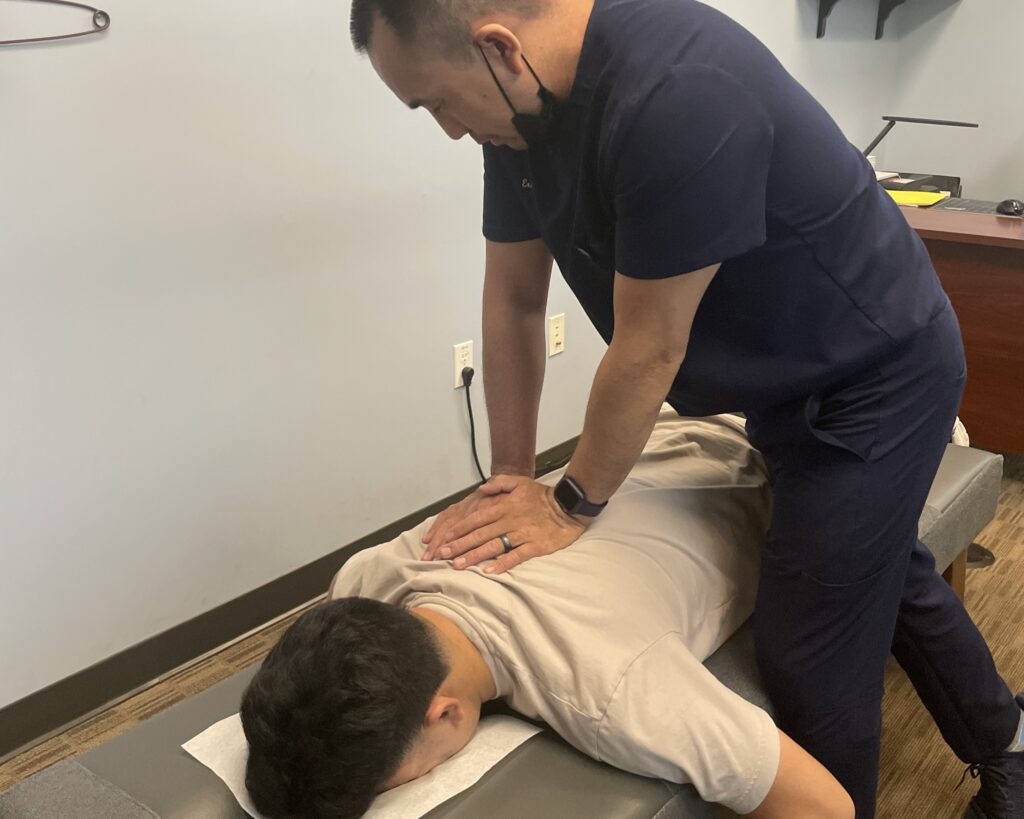
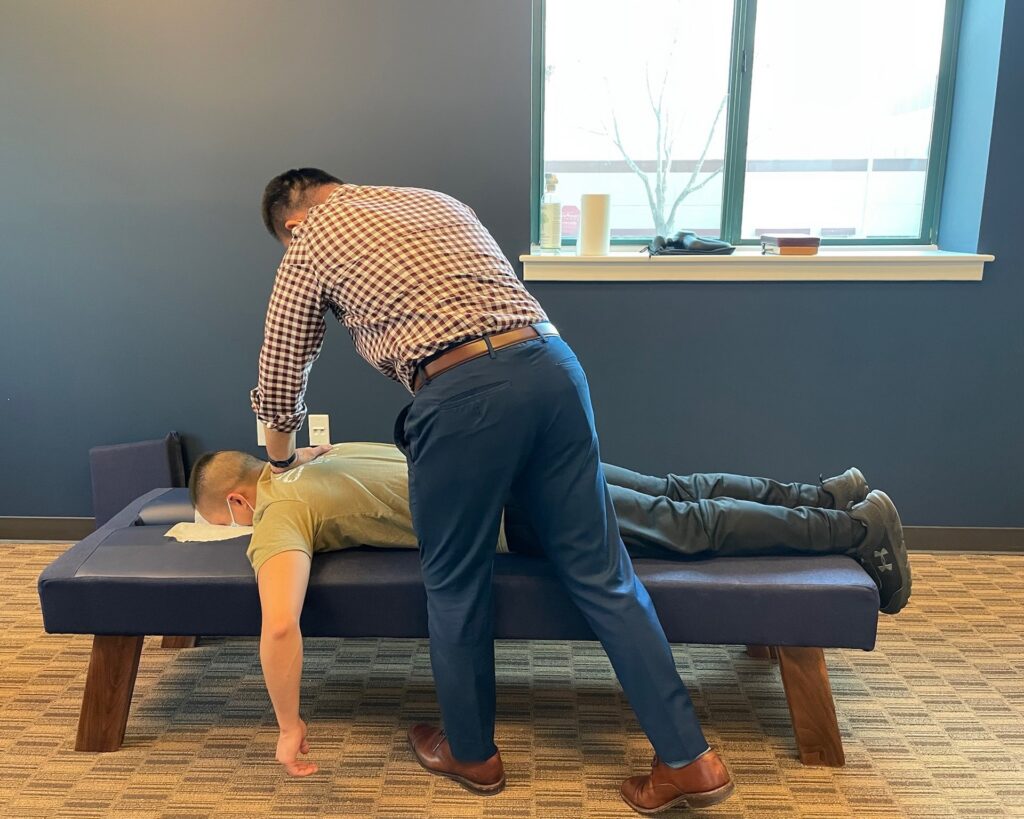
It’s essential to listen to your body. If you experience persistent discomfort, consider seeking guidance from a chiropractor. Chiropractic care focuses on natural healing and can help address the root causes of spinal stiffness. Regular adjustments and personalized care can lead to improved mobility, reduced pain, and an overall better quality of life.
Remember, your spine is the foundation of your overall health. By incorporating these exercises and prioritizing your spinal health, you can take significant steps towards achieving optimal wellness.
Understanding Spine Stiffness
When you think about spine stiffness, it’s important to recognize that it can arise from various factors, including age, lifestyle, and underlying health issues. As we age, our spines naturally lose some flexibility due to changes in the discs and joints. Additionally, a sedentary lifestyle can contribute to stiffness, as our muscles weaken without regular movement. If you find yourself sitting for long periods or repeating the same motions, you may notice increased stiffness.
Certain health conditions, such as arthritis or herniated discs, can also make stiffness worse, making it challenging to move comfortably. Stress and poor posture can exacerbate the issue, leading to additional tension in your back. Understanding these factors is crucial in addressing the root cause of your discomfort.
Chiropractic care is an effective and natural way to improve spinal health and alleviate stiffness. A chiropractor can help restore proper alignment to your spine, which can enhance mobility and reduce pain. Plus, regular chiropractic adjustments may help improve your overall well-being by addressing the underlying causes of stiffness and discomfort.
To take proactive steps towards better spinal health, consider incorporating some simple tips into your daily routine. Make sure to take breaks during long periods of sitting, stretch regularly, and maintain good posture while sitting and standing. Engaging in gentle exercises, like walking or yoga, can also help keep your spine flexible and strong.
Importance of Flexibility for Spinal Health
Flexibility is key to maintaining a healthy spine, and as a chiropractor, I can’t emphasize enough how important it’s for reducing stiffness and preventing injury. When your spine is flexible, it allows for better movement and can help alleviate discomfort.
By integrating specific stretching techniques into your daily routine, you can’t only find relief but also enhance your overall spinal health.
Incorporating spinal flexibility exercises can greatly benefit you, and here are a few stretches that can easily fit into your day:
- Cat-Cow Stretch: This gentle yoga move promotes flexibility in your spine. Start on your hands and knees, arch your back up (like a cat) and then lower your belly while lifting your head (like a cow). Repeat for several breaths.
- Child’s Pose: This stretch helps release tension in your back. Kneel on the floor, sit back on your heels, and stretch your arms forward on the ground while lowering your forehead to the floor. Hold for a few breaths.
- Seated Forward Bend: Sit with your legs extended in front of you. Gently reach towards your toes, keeping your back straight. This stretch can help lengthen your spine and improve flexibility.
- Torso Twist: While sitting or standing, gently twist your torso to one side, holding the stretch for a few breaths before switching sides. This helps improve spinal mobility.
Remember, regular chiropractic care is a fantastic way to support your spinal health and enhance your flexibility. Your chiropractor can provide personalized recommendations and adjustments that complement your stretching routine, ensuring that your spine stays in optimal condition.
Always listen to your body, and if you feel any discomfort while stretching, stop and consult with your chiropractor.
Prioritizing spinal health through flexibility and chiropractic care can lead to a happier, healthier you!
Benefits of Spinal Flexibility
Spinal flexibility is a key component of maintaining a healthy spine, and it plays a vital role in preventing stiffness and reducing the risk of injury. When your spine is flexible, you can enjoy numerous benefits that enhance your everyday life, including:
- Improved Posture: A flexible spine promotes better alignment, which helps reduce strain on your muscles and joints. This means you can stand taller and feel more confident!
- Enhanced Mobility: Flexibility allows for smoother movements, making it easier to perform daily activities without discomfort. Whether it’s bending down to tie your shoes or reaching for something on a high shelf, a flexible spine makes it all easier.
- Reduced Pain: Increased flexibility can help alleviate tension and pressure on your nerves, which may lead to a decrease in back pain. By maintaining a flexible spine, you can enjoy a more comfortable lifestyle.
Incorporating exercises that promote spinal flexibility is an excellent way to support your overall health. Simple practices like stretching, yoga, or even regular walks can contribute to a more flexible spine.
As your local chiropractor, I want to emphasize that chiropractic care is one of the best ways to achieve and maintain spinal flexibility. Regular adjustments can help keep your spine aligned, improving your overall mobility and reducing discomfort.
Remember, a flexible spine is crucial for your overall well-being, and with the right care and attention, you can enjoy a healthier, more active life.
If you’re looking to enhance your spinal health, consider scheduling a visit to discuss how chiropractic care can benefit you!
Stretching Techniques for Relief
To maintain a healthy spine and achieve optimal wellness, incorporating effective stretching techniques into your daily routine is vital for relieving stiffness and enhancing overall flexibility. As a local chiropractor, I emphasize the importance of natural healing and the role of chiropractic care in supporting a pain-free life.
Begin your journey to a more flexible spine with gentle neck rolls to release tension accumulated in your neck and upper back. These simple movements can significantly improve your comfort and mobility.
Next, try the cat-cow stretch: alternately arching and rounding your back helps to mobilize the spine and promote healthy alignment.
Seated forward bends are another excellent way to stretch your hamstrings and lower back, providing relief and enhancing flexibility. Don’t overlook side stretches, which are crucial for improving lateral flexibility and easing tightness in the torso.
Additionally, the child’s pose is a restorative stretch that soothes the entire back, making it a favorite among many.
When practicing these stretches, aim to hold each position for 15-30 seconds to maximize their effectiveness. Remember to breathe deeply throughout each movement; this not only helps your body relax but also supports a deeper stretch.
Regularly incorporating these techniques into your routine can significantly relieve stiffness and contribute to a more resilient and flexible spine.
Chiropractic care complements these stretching techniques by addressing underlying issues and promoting overall health. By prioritizing your spinal health through both stretching and chiropractic adjustments, you can embrace a healthier, pain-free lifestyle naturally.
Let’s work together on your path to optimal wellness!
Warm-Up Exercises to Prepare Your Spine
Before you embark on any spine exercises, it’s crucial to warm up your body properly. As a chiropractor, I can’t stress enough the importance of gentle stretching and dynamic mobility movements to prepare your spine for more intense activity.
These warm-up exercises not only enhance your flexibility but also significantly reduce the risk of injury, making them essential for anyone looking to maintain a healthy spine.
Incorporating warm-up routines into your daily regimen can benefit your spinal health tremendously. Simple stretches, like neck rolls and gentle side bends, can help ease tension and improve your range of motion.
Additionally, dynamic movements such as torso twists and gentle cat-cow stretches can promote better spinal alignment and mobility.
Always listen to your body during these exercises. If you feel any discomfort, it’s a good idea to consult with a chiropractor who can guide you in finding the right techniques tailored to your specific needs.
Remember, chiropractic care is a holistic approach that not only addresses pain relief but also supports your overall wellness through natural methods.
Gentle Stretching Techniques
When it comes to easing spine stiffness, gentle stretching techniques can be incredibly beneficial and are an excellent complement to chiropractic care. These stretches can help improve flexibility and relieve tension, making your spine feel more comfortable.
Here are a few effective stretches you can easily incorporate into your daily routine:
- Cat-Cow Stretch: This dynamic movement gently mobilizes your spine, promoting flexibility and encouraging proper alignment. It’s a great way to start your day or to break up long periods of sitting.
- Child’s Pose: This resting stretch lengthens your spine and alleviates tension in your back. It’s perfect for winding down after a long day or whenever you feel tightness in your back.
- Seated Forward Bend: This stretch targets your lower back and hamstrings, enhancing overall spine mobility. It can be particularly helpful if you spend a lot of time sitting, as it counteracts the effects of prolonged sitting.
Incorporating these gentle stretches into your daily routine can make a noticeable difference in your spine’s comfort and flexibility.
Remember to breathe deeply and listen to your body as you stretch. It’s important to move within your comfort zone and avoid pushing yourself too hard.
As a chiropractor, I believe that regular gentle stretching, combined with chiropractic adjustments, can lead to optimal spinal health and overall wellness.
By enhancing your body’s natural ability to heal and move, you can achieve a pain-free lifestyle and improve your quality of life.
Keep stretching, and don’t hesitate to reach out for professional support to ensure your spine remains happy and healthy!
Dynamic Mobility Movements
As you prepare your body for movement, incorporating dynamic mobility movements is a fantastic way to enhance your spinal health. These exercises not only increase blood flow and improve flexibility but also activate your core, making them a vital part of any warm-up routine.
Consider starting with torso twists, where you gently rotate your upper body side to side. This simple movement helps to maintain spinal mobility and can alleviate tension.
Next, try cat-cow stretches, which involve arching and rounding your back. This gentle mobilization helps keep your spine flexible and promotes healthy alignment.
Leg swings are another excellent choice, as they help loosen your hips and lower back, which is crucial for overall mobility and comfort. Additionally, adding arm circles can engage your shoulders and upper back, contributing to better posture and reducing strain.
As you perform these movements, focus on controlled, smooth actions. This gradual approach allows your body to adapt and helps prevent stiffness or injury.
Remember, maintaining a healthy spine is essential not just for movement but for overall well-being.
By integrating these dynamic exercises into your routine, you’re not just preparing your body for physical activity; you’re also laying a solid foundation for your overall health.
If you’re looking for a natural way to enhance your wellness and alleviate pain, consider regular chiropractic care. It’s a holistic approach that can support your body’s natural healing processes and promote a healthier, more active lifestyle.
Gentle Stretches for Spine Relief
Gentle stretches can greatly alleviate spine stiffness and enhance overall flexibility, which is essential for maintaining a healthy and pain-free body. By integrating a few simple stretches into your daily routine, you can experience significant improvements in how you feel.
These stretches can complement the benefits of chiropractic care, which focuses on natural healing and optimal spinal health. Here are some effective options to consider:
- Child’s Pose: Kneel and sit back on your heels, extending your arms forward while gently lowering your torso. This stretch not only helps lengthen the spine but also relieves tension accumulated throughout the day, making it a perfect way to unwind.
- Cat-Cow Stretch: Begin on all fours and alternate between arching your back upward (like a cat) and lowering it while lifting your head and tailbone (like a cow). This dynamic movement increases mobility in the spine and encourages proper alignment, which is vital for overall health.
- Seated Forward Bend: Sit with your legs extended in front of you and gently reach forward towards your toes. This stretch targets the lower back and hamstrings, contributing to better flexibility and reducing tightness, which can enhance your posture.
Incorporating these gentle stretches into your routine can promote natural healing and support the benefits of chiropractic adjustments.
Strengthening Exercises for Core Support
When it comes to supporting your spine, strengthening your core is absolutely essential. As a chiropractor, I can’t stress enough how important core stability workouts and practices like Pilates can be for enhancing your overall strength, balance, and spinal health.
These exercises not only help in building a strong foundation for your body but also play a crucial role in preventing injury and reducing pain. By focusing on your core, you’re essentially giving your spine the support it needs to function optimally.
A strong core can alleviate pressure on your back, help maintain proper posture, and promote better alignment. When your spine is properly aligned, your body can heal naturally, which is the core principle of chiropractic care.
Here are some simple tips and exercises you can incorporate into your routine to support your spine:
- Plank Variations: Start with a basic plank and gradually try side planks or plank lifts. These engage multiple core muscles while stabilizing your spine.
- Bridges: Lying on your back with your knees bent, lift your hips towards the ceiling. This exercise strengthens your glutes and lower back while promoting spinal alignment.
- Pelvic Tilts: This simple exercise helps improve flexibility and strength in your lower back, making it an excellent choice for spinal health.
- Breathing Exercises: Incorporate deep abdominal breathing into your daily routine. This not only strengthens your core but also promotes relaxation and reduces tension in your back.
- Stay Active: Regular physical activity, like walking or swimming, can greatly benefit your spine. Aim for at least 30 minutes of moderate exercise most days of the week.
Remember, chiropractic care is your best ally in achieving optimal health and wellness. Regular adjustments can enhance the benefits of your core strengthening exercises by ensuring your spine is properly aligned and functioning at its best.
If you’re experiencing pain or discomfort, don’t hesitate to reach out to a chiropractor for a personalized approach to your health.
Core Stability Workouts
While many people prioritize building strength in their arms and legs, core stability workouts are crucial for maintaining a healthy spine and avoiding stiffness. A strong core not only supports your spine but also plays a vital role in reducing the risk of injury and enhancing your posture.
As a chiropractor, I want to emphasize the importance of these exercises in your overall wellness journey, especially when combined with regular chiropractic care.
Here are a few effective core stability exercises you can easily incorporate into your routine:
- Planks: This exercise engages your entire core. To perform a plank, hold a position where your body forms a straight line from your head to your heels. This helps strengthen the muscles that support your spine.
- Bird-Dogs: Start on all fours, then extend one arm and the opposite leg at the same time. This movement improves balance and stability, which are essential for spinal health.
- Dead Bugs: Lie on your back, raise your legs and arms towards the ceiling, then lower them alternately. This exercise challenges your core while keeping your back safe.
Incorporating these exercises can significantly boost your core strength, which is essential for a healthier spine.
Remember, a strong core not only prevents pain but also supports your overall wellness. Alongside these exercises, regular chiropractic adjustments can help align your spine, alleviate discomfort, and promote natural healing.
Embrace this holistic approach to health, and you’ll be on your way to achieving optimal wellness.
Pilates for Core Strength
Enhancing Core Strength Through Chiropractic Care and Pilates
As a local chiropractor, I want to share how Pilates can complement your journey toward optimal health and wellness, particularly when it comes to core strength and spinal health. By emphasizing controlled movements and proper alignment, Pilates can help engage those deep abdominal muscles that are crucial for supporting your spine.
While Pilates offers fantastic benefits, remember that chiropractic care is essential for achieving lasting pain relief and overall well-being. Chiropractic adjustments can enhance the effectiveness of your Pilates routine by ensuring your spine is aligned and functioning properly, allowing you to move more freely and safely.
Incorporating Pilates exercises like the Hundred, Roll-Up, and Plank can significantly improve your posture and stability. These movements not only challenge your balance but also promote mindful breathing—an important aspect of relaxation that can help reduce stress and tension in your body.
As you integrate Pilates into your routine, consider pairing it with regular chiropractic visits. This combination can lead to improved coordination, decreased discomfort in your back, and a stronger core. In turn, a well-supported spine contributes to better flexibility and resilience, reducing the risk of stiffness and injury.
Here are a few tips to enhance your experience:
- Listen to Your Body: Pay attention to how your body feels during and after Pilates sessions. If you experience discomfort, consult your chiropractor for guidance.
- Practice Mindful Breathing: Incorporate deep, mindful breathing into your workouts to enhance relaxation and improve the effectiveness of your exercises.
- Stay Consistent: Regular Pilates sessions, along with routine chiropractic care, will help you build a strong core and a healthy spine over time.
Embrace this holistic approach to wellness, combining the benefits of Pilates with chiropractic care for a healthier, more resilient you!
Yoga Poses to Enhance Spinal Flexibility
To enhance your spinal flexibility, incorporating specific yoga poses into your routine can significantly contribute to your overall well-being. These poses not only promote flexibility but also help alleviate tension in your spine—a common issue many of us face.
Here are three effective yoga poses you can easily integrate into your daily practice:
- Cat-Cow Stretch: This gentle movement alternates between arching and rounding your back, which helps increase mobility in your spine. It’s a fantastic way to start your day or to relieve tension after sitting for long periods.
- Cobra Pose: By gently lifting your chest, you stretch the front of your body and encourage spinal extension. This pose can be particularly beneficial for those who spend a lot of time hunched over, as it helps counteract that posture.
- Child’s Pose: This restorative pose allows for deep relaxation, gently stretching the spine and relieving tightness. It’s a great way to unwind and reconnect with your body, especially after a long day.
Practicing these poses regularly can lead to noticeable improvements in your spinal flexibility and overall comfort. As you flow through each pose, remember to breathe deeply and listen to your body.
Consistency is key—over time, you’ll likely find that your spine feels more agile and less stiff.
While yoga can be a wonderful addition to your wellness routine, don’t forget the value of chiropractic care. Regular chiropractic adjustments can help maintain spinal alignment, enhance mobility, and provide natural relief from discomfort.
Combining yoga with chiropractic care creates a powerful synergy for achieving optimal health and wellness. So roll out that mat, prioritize your spinal health, and consider incorporating regular chiropractic visits into your routine for a holistic approach to well-being!
Foam Rolling Techniques for Muscle Release
Foam rolling is a fantastic way to support muscle release and enhance your overall flexibility, while also helping to reduce tension throughout your body. As a chiropractor, I often emphasize the importance of natural healing and effective self-care techniques like foam rolling to help you maintain optimal health and wellness.
To get started, all you need is a foam roller and a few minutes of your time. Begin by identifying areas of tightness, such as your back, hips, or thighs. Once you’ve pinpointed these spots, position the roller underneath the area you wish to target.
Gently roll back and forth, using your body weight to apply pressure to the roller. If you hit a particularly tight spot, pause and hold the pressure on that area for about 20-30 seconds. This technique helps to release muscle knots and improve blood flow, promoting healing and relaxation.
When working on your spine, it’s essential to avoid rolling directly on your vertebrae. Instead, focus on the surrounding muscles. For your upper back, try using gentle side-to-side movements, and roll your lower back with caution.
Incorporating foam rolling into your routine for about 10-15 minutes a few times a week can significantly alleviate stiffness and support your body’s natural healing processes.
Remember, while foam rolling is a great addition to your wellness routine, it complements the benefits of chiropractic care perfectly. Regular visits to your chiropractor can help ensure that your spine is aligned and your overall health is optimized.
Prioritizing both foam rolling and chiropractic care can lead to a healthier, pain-free life.
Daily Habits to Prevent Spine Stiffness
While many individuals turn to workouts and stretching for relief from spine stiffness, it’s important to remember that daily habits are equally crucial in preventing discomfort. By making a few small adjustments to your routine, you can significantly enhance the flexibility of your spine and overall well-being.
Here are three simple habits you can adopt to support a healthier spine:
- Stay Hydrated: Keeping yourself well-hydrated is essential for the health of your spinal discs. Adequate water intake helps maintain the cushioning in your spine, reducing stiffness and promoting better movement. Aim to drink water throughout the day to keep your body and spine in optimal condition.
- Mind Your Posture: Good posture is vital, whether you’re sitting at a desk or standing. By being mindful of your posture, you can relieve unnecessary pressure on your spine, which in turn helps prevent stiffness. Consider setting reminders to check your alignment throughout the day, and remember that proper posture supports spinal health.
- Take Frequent Breaks: If you find yourself sitting for extended periods, make it a habit to stand up and move around at least once every hour. This simple act encourages blood flow and keeps your spine mobile. Incorporating stretches during these breaks can also enhance flexibility and reduce stiffness.
By integrating these habits into your daily life, you’re taking proactive steps towards maintaining a healthy spine.
And remember, chiropractic care is an excellent option for achieving optimal health and managing any discomfort you may experience. Regular visits to a chiropractor can help ensure your spine remains aligned and functional, supporting your journey to a pain-free life.
Breathing Exercises for Relaxation and Tension Relief
Breathing exercises can be an incredibly effective tool for relaxation and relieving tension, especially when you’re feeling overwhelmed. As a chiropractor, I often emphasize the importance of holistic approaches to health, and focusing on your breath is a simple yet powerful way to support your overall well-being and spinal health.
To get started, find a comfortable position—either sitting or lying down. Take a deep breath in through your nose for a count of four, letting your abdomen expand fully. Hold that breath for a count of four, then exhale slowly through your mouth for a count of six. This practice not only calms your mind but also helps to release tightness in your spine. Repeat this cycle several times to help reduce tension and promote relaxation.
Another effective method is the “4-7-8” technique: inhale for four seconds, hold for seven seconds, and exhale for eight seconds. This technique encourages relaxation and can also help stretch the muscles around your spine, enhancing your overall spinal health.
Incorporating these simple breathing exercises into your daily routine can significantly improve your ability to manage stress and promote a sense of well-being.
Remember, chiropractic care isn’t just about treating pain; it’s about achieving optimal health through natural methods. By pairing these breathing exercises with regular chiropractic adjustments, you can maintain a healthy spine and a balanced body.
Make these breathing exercises a part of your self-care routine, and consider visiting your chiropractor regularly to ensure that your spine is in optimal alignment. A healthy spine supports a healthy life, and together, we can work towards your wellness goals.
When to Seek Professional Help for Spine Issues
How do you know when it’s time to seek professional help for spine issues? If you’re experiencing persistent pain or discomfort that doesn’t improve with home treatments, it’s essential to consult a chiropractor. Here are some signs that indicate you should consider professional chiropractic care:
- Chronic Pain: If your pain has lasted more than a few weeks, it’s a clear signal that your body needs attention. Ignoring it may lead to further complications, so reaching out to a chiropractor can help identify the root cause and provide relief.
- Numbness or Tingling: Unusual sensations like numbness or tingling in your arms or legs can indicate that nerves may be affected. A chiropractor can assess your spine’s alignment and help restore proper function, which may alleviate these uncomfortable feelings.
- Loss of Mobility: If you’re finding it harder to carry out daily activities, don’t wait to seek help. A chiropractor can work with you to improve your mobility through gentle adjustments and exercises tailored to your specific needs.
Remember, these symptoms shouldn’t be ignored as they may suggest underlying issues that could benefit from natural healing methods. Early intervention through chiropractic care can lead to better outcomes and a healthier life.
Trust your instincts—if something doesn’t feel right, it’s always best to seek professional guidance.
In the meantime, consider some general tips to support your spine health:
- Maintain good posture while sitting or standing.
- Incorporate gentle stretches into your daily routine to keep your spine flexible.
- Stay active with low-impact exercises like walking or swimming.
- Invest in a supportive mattress and chair to promote proper alignment.
Your spine health is crucial to your overall well-being, and chiropractic care is a natural, effective way to achieve optimal health and wellness.
Conclusion
Incorporating a mix of stretches, strengthening exercises, and healthy daily habits can significantly relieve stiffness in your spine. As a chiropractor, I recommend always starting with a warm-up to prepare your body for movement. Consider adding foam rolling and deep breathing exercises to your routine for extra relief and relaxation.
Staying consistent with these practices not only enhances your flexibility but also supports your overall spinal health. Remember, the spine is the foundation of your body, and taking care of it is essential for your well-being.
If you experience persistent pain or discomfort, it’s important to consult with a chiropractor who can provide personalized care and guidance tailored to your needs. Chiropractic care is a natural and effective way to achieve optimal health, helping you find relief without the need for medications or invasive procedures.
Here are some general tips to help you on your journey to a healthier spine:
- Incorporate gentle stretches into your daily routine to keep your back limber.
- Strengthen your core muscles, as they play a crucial role in supporting your spine.
- Maintain good posture throughout the day to alleviate unnecessary strain on your back.
- Take breaks to move and stretch if you sit for long periods.
By following these tips and embracing chiropractic care as part of your wellness journey, you’ll be on your way to a healthier spine and a more vibrant life.