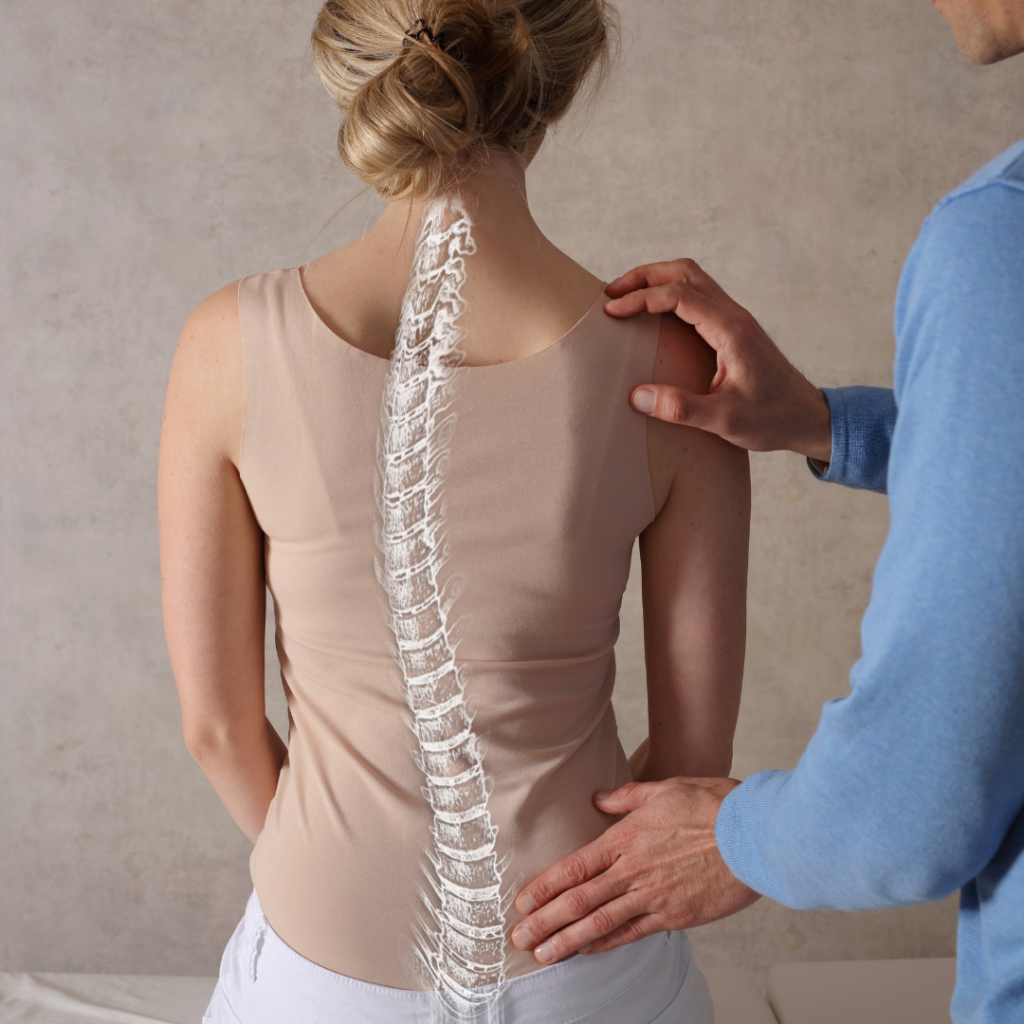
When it comes to sports injuries, the focus is often on recovery, and as a local chiropractor, I want to shed light on how we can enhance that process through natural healing techniques. While many people are familiar with traditional methods such as physical therapy, have you considered the benefits of chiropractic care in your recovery journey? Chiropractic adjustments can help realign your body, reduce pain, and improve mobility, all of which are crucial for effective healing.
But recovery doesn't just stop at physical treatment. Incorporating innovative modalities such as massage therapy and rehabilitation exercises can further support your recovery. Additionally, addressing the psychological aspect of healing is vital. Techniques to build mental resilience can empower you during your rehabilitation.
As we delve into these comprehensive approaches, I invite you to explore how chiropractic care, combined with other supportive therapies, can transform your recovery experience and help you return to your sport stronger than ever. Let's work together to optimize your healing journey!
Importance of Recovery in Sports
As a local chiropractor, I want to emphasize the vital role recovery plays in sports and overall well-being. Many people view recovery simply as a period of rest, but it encompasses much more than that. Recovery involves a strategic approach to restoring both your body and mind following intense physical activity, whether that be training or competition. Without proper recovery, you risk facing burnout, fatigue, and even injuries that could sideline you for a long time.
One crucial element of recovery is tuning into your body's signals. If you're experiencing persistent soreness or fatigue, it may be time to reassess your routine. This is where chiropractic care can be beneficial; we focus on aligning your spine and joints to enhance your body's natural healing processes.
Additionally, incorporating active recovery techniques like gentle exercises or stretching can improve blood flow and facilitate healing. Nutrition is another key factor that can greatly influence your recovery times. As a chiropractor, I often suggest that patients fuel their bodies with the right nutrients to support recovery and overall health.
Sleep, too, shouldn't be underestimated. Quality sleep allows your muscles to repair and your mind to renew, both of which are essential for optimal performance. I recommend prioritizing rest days in your training regimen; these days are essential for your body to adapt and grow stronger.
Lastly, we must address mental recovery. Engaging in mindfulness practices or relaxation techniques can significantly reduce stress and improve focus, which is crucial for achieving peak performance.
Common Sports Injuries
As a local chiropractor, I want to emphasize the crucial role recovery plays in your overall health, especially when it comes to preventing sports injuries. Many athletes, whether professional or recreational, often push their bodies to the limit, which can heighten the risk of injuries. Familiarizing yourself with common types of injuries can help you stay vigilant and adopt preventive strategies.
One of the most prevalent injuries I see is a sprain, particularly in the ankles and knees. This injury occurs when ligaments are stretched or torn due to sudden twists or impacts. If you experience symptoms like swelling, bruising, or pain, it's important to take them seriously, as they can affect your performance and mobility.
Another common issue is a strain, which impacts muscles or tendons. Strains often arise from overexertion or improper techniques during activities, leading to discomfort that can linger if not addressed properly.
Fractures, or broken bones, are another concern, especially in high-impact sports such as football or basketball. These injuries can vary in severity from hairline cracks to complete breaks, and they may require anything from immobilization to surgical intervention.
Dislocations are equally serious, occurring when joints are forced out of their normal positions during falls or collisions. These situations often necessitate immediate medical attention to realign the joint and prevent further damage.
Tendinitis, commonly affecting the shoulders, elbows, and knees, is also prevalent among active individuals. This condition arises from repetitive motions that lead to inflammation and pain.
Lastly, stress fractures are tiny cracks that develop in bones due to overuse, frequently seen in runners and dancers.
Recognizing these injuries early is essential for effective treatment and recovery. As a chiropractor, I focus on natural healing methods that can help you recover faster and minimize future risks.
Physical Therapy Techniques
As a local chiropractor, I want to share some effective techniques that can help you regain strength and mobility after a sports injury using natural healing methods.
One of the most integral approaches we use is manual therapy, where I employ hands-on techniques to manipulate soft tissues and joints. This method not only alleviates pain but also enhances circulation and improves flexibility, allowing your body to heal more effectively.
In addition to manual therapy, you may find therapeutic exercises tailored to your specific injury beneficial. These exercises are designed to strengthen the affected area and restore proper function, ensuring that you can return to your favorite activities safely.
Proprioceptive training is another essential technique we focus on. This involves exercises that enhance your body's awareness of movement and position, which is crucial for preventing future injuries. Balance exercises, especially those performed on unstable surfaces, can be particularly advantageous for athletes recovering from ankle or knee injuries.
We also utilize electrical stimulation in our practice. This technique employs electrical impulses to stimulate muscles and promote healing, helping to reduce pain and swelling. With less discomfort, you can engage in your rehabilitation exercises more effectively.
Ice and heat therapy are key components of recovery as well. Applying ice helps manage inflammation and pain right after an injury, while heat can relax muscles and enhance blood flow during the later stages of your healing process.
Lastly, I'll guide you through stretching routines to maintain flexibility and prevent stiffness.
Remember, consistency is crucial—adhering to your therapy plan will significantly enhance your recovery and help you get back in the game faster.
At our clinic, we're committed to supporting you on your journey to natural healing and optimal health.
Innovative Recovery Modalities
When you're recovering from a sports injury, it's important to consider innovative recovery modalities that can really support your healing process.
As a local chiropractor, I want to introduce you to some effective techniques that can complement your rehabilitation journey.
One such approach is cryotherapy, which involves exposing your muscles to cold temperatures to reduce inflammation and accelerate recovery.
Additionally, functional movement screening can help identify any imbalances or weaknesses in your body, allowing for a tailored recovery plan that addresses your specific needs.
We also utilize various electrotherapy methods, which can stimulate muscles and promote healing by enhancing circulation and reducing pain.
These cutting-edge options can play a vital role in your recovery, and I'm here to guide you through these natural healing methods to ensure you achieve the best possible outcomes.
Let's work together to enhance your rehabilitation and get you back to your active lifestyle!
Cryotherapy for Muscle Recovery
As a local chiropractor, I want to share with you an innovative method that can greatly enhance your muscle recovery: cryotherapy. This cutting-edge technique is gaining popularity among athletes and fitness enthusiasts for its ability to efficiently reduce inflammation and alleviate soreness.
Cryotherapy involves exposing your body to extremely cold temperatures for a brief period, typically just a few minutes. This process can stimulate blood circulation and promote healing in your muscles.
When you undergo cryotherapy, your body enters a state of survival mode, which redirects blood flow to vital organs. Once the treatment is complete, blood rushes back to your extremities, delivering essential oxygen and nutrients that help repair damaged tissues. This not only speeds up recovery but can also improve your overall physical performance.
You may find cryotherapy particularly beneficial after strenuous workouts or competitions, as it has been shown to significantly decrease muscle soreness and fatigue. Many athletes swear by its effectiveness in keeping them in optimal condition and ready for their next challenge.
Whether you're an experienced athlete or someone just beginning your fitness journey, incorporating cryotherapy into your recovery routine can help you recover more quickly and maintain your best performance.
I invite you to explore the revitalizing effects of cryotherapy and see how it can support your health and wellness goals!
Functional Movement Screening
As a local chiropractor, I want to introduce you to the concept of Functional Movement Screening (FMS), an essential tool that can significantly enhance your recovery and overall wellness.
FMS evaluates your movement patterns to identify any imbalances or weaknesses that could lead to injuries or affect your daily activities.
During the screening, we focus on seven fundamental movement patterns such as squats, lunges, and reaching motions. This helps us pinpoint specific areas that may need improvement.
By understanding how your body moves, we can develop a tailored rehabilitation plan designed just for you. This plan won't only address your current limitations but also improve your overall functional movement.
By correcting these movement issues, you can reduce the risk of re-injury and enhance your physical performance in daily activities or sports.
Incorporating FMS into your recovery process is invaluable. You'll gain insights into your body's mechanics and learn how to move more efficiently. This knowledge empowers you to take charge of your own healing journey, ensuring that you aren't just recovering but also strengthening your body.
Ultimately, FMS provides a proactive approach to your health and recovery. By identifying and addressing these movement deficiencies, you're setting yourself up for long-term success and well-being.
I encourage you to consider integrating FMS into your health strategy for superior results. Let's work together toward a healthier, more active lifestyle!
Electrotherapy Techniques Explained
At our chiropractic clinic, we believe in harnessing the power of electrotherapy techniques to support your recovery from sports injuries. These innovative modalities utilize electrical impulses to stimulate your muscles, reduce inflammation, and promote tissue repair, providing a natural approach to healing.
If you've experienced the frustration of being sidelined by an injury, you're not alone. Let me explain how electrotherapy can play a vital role in your recovery journey:
- Pain Relief: Imagine experiencing significant relief from pain without solely relying on medications. Electrotherapy can help ease discomfort and enhance your quality of life.
- Accelerated Healing: Picture a scenario where your recovery time is significantly shortened, allowing you to return to your favorite activities sooner than you anticipated. Our electrotherapy methods can help facilitate this process.
- Enhanced Muscle Function: Visualize your muscles working more effectively, which enables you to rebuild strength in a more efficient manner. This is crucial in regaining the mobility you need.
- Improved Circulation: Think about the benefits of increased blood flow, which plays a key role in delivering essential nutrients to your tissues for optimal recovery.
At our clinic, we're dedicated to providing you with natural healing solutions that prioritize your overall well-being.
Electrotherapy is just one of the many tools we use to help you regain your strength and mobility after a sports injury. Let's guide you on your path to recovery!
Psychological Aspects of Recovery
As a local chiropractor, I want to emphasize that when you experience a sports injury, the journey to recovery involves more than just addressing physical symptoms; it also encompasses important mental aspects.
Building mental resilience is crucial, as it helps you cope with the frustration that often accompanies the healing process. Additionally, having a strong support system—whether it's friends, family, or a healthcare team—can significantly enhance your recovery experience.
At my practice, we focus on holistic healing, which means we recognize the psychological factors at play. Understanding these elements can empower you to approach your recovery with a positive mindset, enabling you to navigate the challenges more effectively.
Embracing both physical and mental healing is key to a successful recovery, and we're here to support you every step of the way.
Mental Resilience Building
As a local chiropractor, I want to emphasize the significance of mental resilience when it comes to recovering from sports injuries.
Remember, healing isn't purely about the physical aspect; your mental fortitude is equally important in your recovery journey. By cultivating mental resilience, you can approach the challenges of healing with a positive outlook.
Here are four strategies to help you strengthen your mental resilience:
- Set Realistic Goals: It's important to break your recovery into manageable steps. Focus on small, achievable milestones, and take the time to celebrate each one, no matter how minor. This approach can significantly enhance your confidence as you progress.
- Practice Positive Self-Talk: Your mindset matters. Work on replacing negative thoughts with positive affirmations. Remind yourself of your capabilities and your determination to recover, as this can have a profound impact on your healing process.
- Seek Support: Don't hesitate to lean on your support network—be it friends, family, or teammates. Surrounding yourself with encouraging people can lighten your emotional burden. Sharing your feelings can also reinforce the idea that you aren't alone in this journey.
- Stay Mindful: Incorporating mindfulness practices, like meditation or deep breathing exercises, can be incredibly beneficial. These techniques help you remain present and can alleviate any anxiety you may feel about the future.
As you embark on your recovery, remember that your mental state is just as crucial as the physical adjustments we make together in chiropractic care.
Embracing these strategies can greatly enhance your healing experience.
Coping With Frustration
Coping with frustration during your recovery from a sports injury is a significant challenge, and as your local chiropractor, I want to help you navigate this process. Many of you may feel limited by your injury, frustrated by slow progress, or anxious about getting back to your sport. It's important to acknowledge these feelings. It's completely natural to feel upset, but I encourage you to channel that frustration into something constructive.
Instead of focusing on what you can't do, let's shift our attention to what you can do. Setting small, achievable goals in your recovery can help you track your progress effectively. Celebrate those victories, no matter how minor they may seem. This shift in mindset can transition you from feeling helpless to feeling empowered in your recovery journey.
Incorporating mindfulness practices can also be beneficial during this time. Techniques such as meditation and deep breathing can assist in managing your emotions and reducing stress. Remember, recovery from an injury isn't solely about physical healing; it also involves mental resilience.
I encourage you to connect your frustration with motivation. Let that energy fuel your determination during therapy sessions. Remember, you aren't alone in this; many athletes have faced similar challenges.
Support System Importance
As a local chiropractor dedicated to your overall well-being, I want to emphasize the importance of a strong support system during your recovery from a sports injury. Healing isn't just about addressing physical pain; your mental health plays a crucial role in your journey back to full health.
Surrounding yourself with supportive individuals can significantly enhance your recovery experience. Here are four key benefits of having a robust support network:
- Emotional Support: Friends and family can offer a comforting presence during tough times, helping you navigate feelings of frustration or sadness that often accompany injuries. Their understanding can be a source of strength.
- Motivation: Encouragement from those close to you can be a powerful motivator. Their belief in your ability to recover can inspire you to adhere to your rehabilitation plan and persevere through challenging days.
- Shared Experiences: Connecting with others who've gone through similar situations can provide valuable insights and foster a sense of camaraderie. Knowing you aren't alone in your journey can make a world of difference.
- Accountability: Having someone to check in with can help keep you focused on your recovery goals. Regular support can ensure you remain committed to your treatment plan and make the most of your healing process.
Remember, at our chiropractic practice, we're here to support not just your physical recovery but also your emotional well-being.
Together, with the right support system, we can work towards your full recovery and return to the activities you love.
Tailoring Therapy for Athletes
When it comes to recovery, understanding how chiropractic care can be tailored for athletes is crucial for effective healing and restoring peak performance. Each athlete has unique requirements based on their sport, the nature of their injury, and individual recovery objectives. By customizing your chiropractic therapy, we can ensure that your rehabilitation aligns with your specific needs and ambitions.
First, it's important to assess your injury and its effect on your overall performance. Whether you're dealing with a sprained ankle, a torn ligament, or muscle strain, comprehending the specifics of your injury allows us to collaborate closely in creating a focused recovery plan.
In my practice, I incorporate sport-specific adjustments and exercises that mimic your movements, which aids in regaining strength, flexibility, and proper biomechanics.
Next, we must consider the psychological aspects of recovery. Athletes frequently encounter mental obstacles during rehabilitation, and addressing these through tailored chiropractic care can significantly enhance your confidence and motivation. Techniques such as visualization, goal setting, and mindfulness can be integrated into your sessions, ensuring a holistic approach to your recovery.
Moreover, the importance of open communication can't be overstated. Keeping an ongoing dialogue about your progress and any concerns you have is vital. Regularly adjusting your chiropractic treatment plan helps you stay on track and adapt to your changing needs throughout the recovery process.
Lastly, remember that recovery isn't solely about physical healing; it's about preparing you for a successful return to your sport. Tailoring your chiropractic therapy not only accelerates your recovery but also improves your overall performance, empowering you to come back stronger and more resilient than ever.
Embracing chiropractic care can be a transformative step on your path to optimal health and performance.
Conclusion
As your local chiropractor, I want to share with you how a holistic approach can significantly enhance your recovery from sports injuries. It's important to understand that effective healing goes beyond just treating the physical symptoms; it also involves addressing your mental well-being.
Incorporating chiropractic care into your recovery can be a game-changer. We utilize hands-on techniques to align your spine and improve your overall body function, which can help accelerate your healing process. Additionally, there are innovative recovery modalities we can explore together to support your recovery journey.
Mental resilience plays a critical role in healing as well. Practices like mindfulness and positive self-talk can profoundly impact your recovery experience, enabling you to overcome challenges along the way.
Tailoring your therapy to meet your unique needs is essential, not only for recovery but also to ensure that you return to your sport stronger and more prepared than ever. I'm here to guide you through this process and help you understand the benefits of chiropractic care and natural healing. Let's work together to get you back in the game!