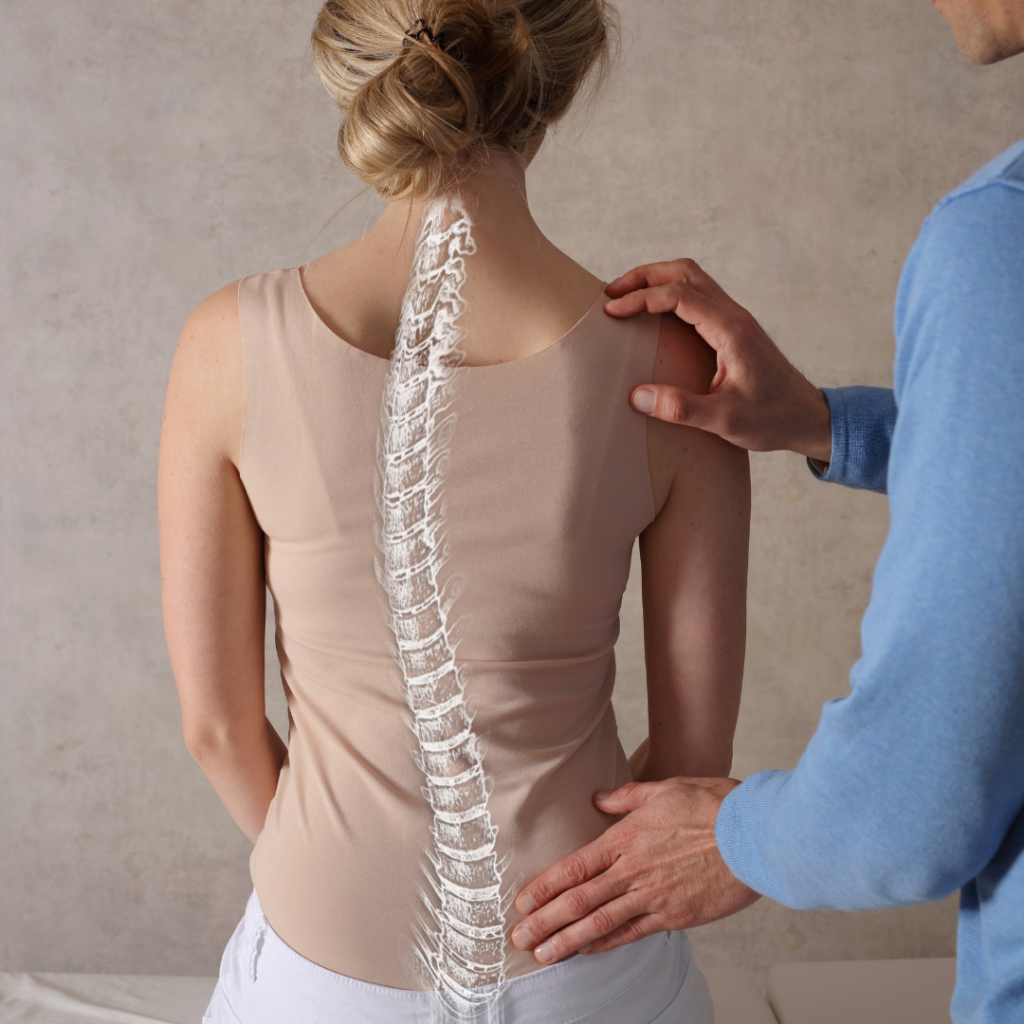
If you or someone you love has recently been told they have scoliosis, it’s completely natural to have questions — and maybe a little worry, too. One of the first things people want to know is simply: why did this happen? Understanding what causes scoliosis can make the condition feel far less overwhelming, and it’s a great first step toward finding the right support. Here in San Leandro, Dr. Ernest Luong and the team at Resilience Chiropractic work with patients of all ages who are navigating scoliosis — from kids caught in school screenings to adults dealing with new or worsening spinal curves. This guide is designed to give you a clear, honest picture of what scoliosis actually is, what causes it, and what your options look like going forward.
What Is Scoliosis?
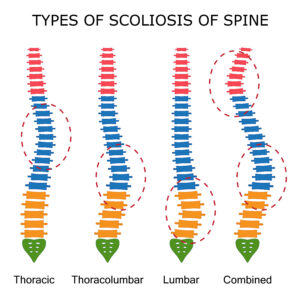
Scoliosis is an abnormal lateral (side-to-side) curvature of the spine. Instead of running in a straight vertical line, the spine curves to one side — sometimes forming a “C” shape, and in more complex cases, an “S” shape. It can range from mild to severe and affects people across all age groups, though it most commonly develops during childhood or early adolescence.
- What Is Scoliosis and How Is It Diagnosed?
- What Causes Scoliosis? The Main Types Explained
- Signs and Symptoms to Watch For
- Who Is Most at Risk?
- How Chiropractic Care Fits Into Scoliosis Management
- Practical Tips for Living Well With Scoliosis
- When to See a Chiropractor
- Scoliosis Types at a Glance
- Myths vs. Facts About Scoliosis
- Final Thoughts From Resilience Chiropractic
What Is Scoliosis and How Is It Diagnosed?
Scoliosis isn’t just about a curved spine on an X-ray — it’s a three-dimensional structural change that can affect posture, movement, and how the body bears weight over time. A spinal curve is generally classified as scoliosis when it measures 10 degrees or more on imaging. Curves under that threshold are typically monitored but not formally diagnosed as scoliosis.
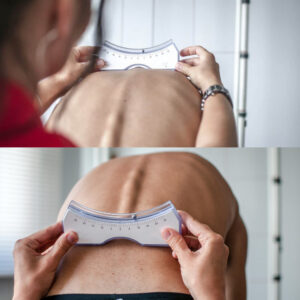
Diagnosis usually involves a physical exam, often starting with the Adam’s Forward Bend Test — where a person bends forward at the waist and a clinician looks for asymmetry in the rib cage or lower back. X-rays are used to confirm the diagnosis and measure the degree of curvature using what’s called the Cobb angle. The higher the Cobb angle, the more significant the curve.
Many cases are first detected during school health screenings or routine pediatric checkups. That’s why pediatric chiropractic care can be such a valuable tool — not just for treating discomfort, but for catching postural concerns early, when conservative management tends to be most effective.
What Causes Scoliosis? The Main Types Explained
This is the big question, and the honest answer is: it depends on the type of scoliosis. There are several distinct categories, each with different underlying causes. Understanding what causes scoliosis in a specific case requires identifying which type is present.
Idiopathic Scoliosis
The most common form of scoliosis is called idiopathic scoliosis, which — perhaps frustratingly — means the cause is unknown. Idiopathic scoliosis accounts for roughly 80% of diagnosed cases. Despite extensive research, there is no single confirmed cause. However, there is strong evidence suggesting a genetic component. Scoliosis tends to run in families, and researchers believe multiple genes may contribute to a person’s likelihood of developing spinal curvature.
Idiopathic scoliosis is further broken down by age of onset. Infantile idiopathic scoliosis occurs in children under three years old. Juvenile idiopathic scoliosis develops between ages three and nine. Adolescent idiopathic scoliosis — the most common subtype — appears during the growth spurt of puberty, typically between ages 10 and 18. Girls are more likely than boys to develop curves that progress to a degree requiring treatment, though both are affected.
Congenital Scoliosis
Congenital scoliosis is present from birth and results from abnormal vertebral formation during fetal development. Some vertebrae may fail to form completely, fuse together incorrectly, or develop asymmetrically. These structural anomalies cause the spine to curve from the very beginning of life. Congenital scoliosis is often discovered in infancy or early childhood, and it may be associated with other developmental concerns, though not always.
Neuromuscular Scoliosis
Neuromuscular scoliosis develops as a secondary effect of an underlying neurological or muscular condition. Conditions such as cerebral palsy, muscular dystrophy, and spina bifida can affect the muscles and nerves that support the spine, leading to progressive curvature over time. Because the primary condition affects the body’s ability to maintain spinal alignment, neuromuscular scoliosis often progresses more rapidly and may require a more complex, multidisciplinary care approach.
Degenerative Scoliosis
Degenerative scoliosis — sometimes called adult-onset or de novo scoliosis — develops later in life as a result of age-related changes to the spine. As spinal discs lose height and joints deteriorate asymmetrically, the spine can begin to shift and curve. This form is most common in adults over 50 and often occurs in the lumbar (lower back) region. It can contribute to chronic back pain and reduced mobility, and it’s something Dr. Ernest Luong sees fairly regularly among adults in the San Leandro community.
Signs and Symptoms to Watch For
Scoliosis often progresses quietly — especially in children and teens — which is why it frequently goes undetected until a screening or routine exam. Knowing what to look for can help catch it earlier. Common signs include one shoulder appearing higher than the other, a shoulder blade that sticks out more prominently, uneven hips or waist, and a visible curve in the spine when viewed from behind.
In more progressed cases, people may notice rib prominence on one side when bending forward, muscle fatigue or tightness along one side of the back, or difficulty standing fully upright. Some individuals experience associated discomfort — back pain that may radiate toward the hips or legs. If spinal curvature is placing pressure on nearby nerves, symptoms like those described in sciatica or a pinched nerve can sometimes accompany the condition.
It’s worth noting that mild scoliosis often causes no pain at all. Pain is more likely to appear in adult-onset or degenerative cases, or when a curve has progressed significantly.
Who Is Most at Risk?
While scoliosis can affect anyone, certain factors are associated with a higher likelihood of developing or progressing the condition. Age is a significant factor — adolescents going through rapid growth phases are the most vulnerable. A family history of scoliosis increases risk, particularly for idiopathic forms. Girls are more likely to experience curve progression compared to boys, even when curve sizes start out similar.
For adults, risk factors include aging, disc degeneration, osteoporosis, and prior spine surgeries. People with underlying neurological or muscular conditions also face a higher risk of developing secondary scoliosis. That said, having one or more risk factors doesn’t guarantee that scoliosis will develop — and many people with diagnosed scoliosis go on to live full, active lives with appropriate management.
How Chiropractic Care Fits Into Scoliosis Management
Chiropractic care doesn’t reverse the structural curve of scoliosis, and it’s important to be straightforward about that. What chiropractic care can do is address many of the secondary effects of scoliosis — including muscular imbalances, joint stiffness, postural strain, and discomfort — in a non-surgical, drug-free way.
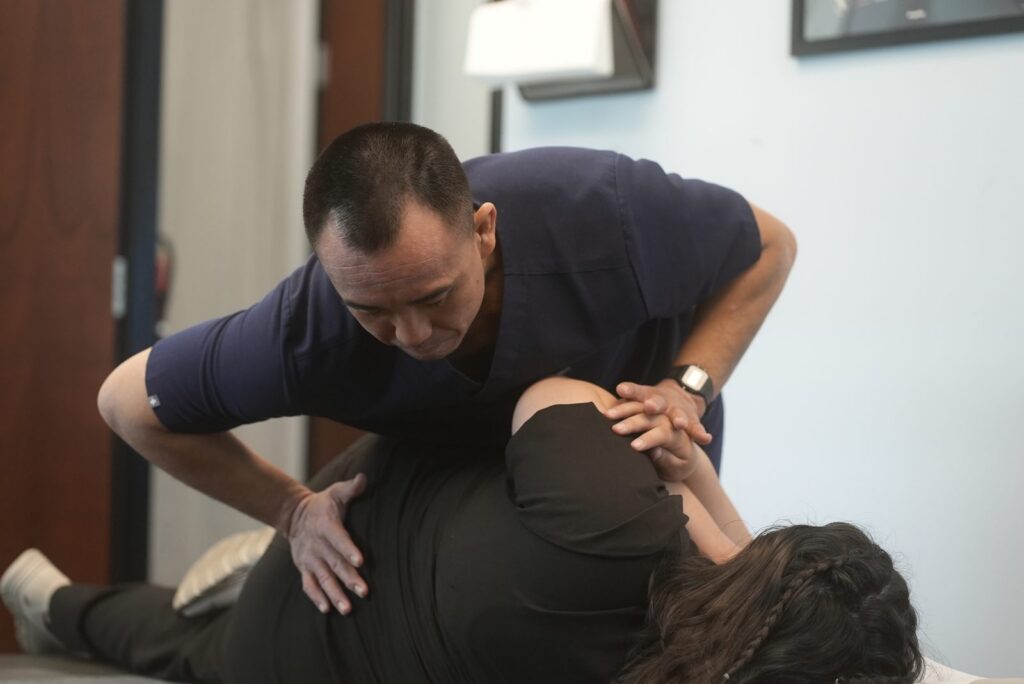
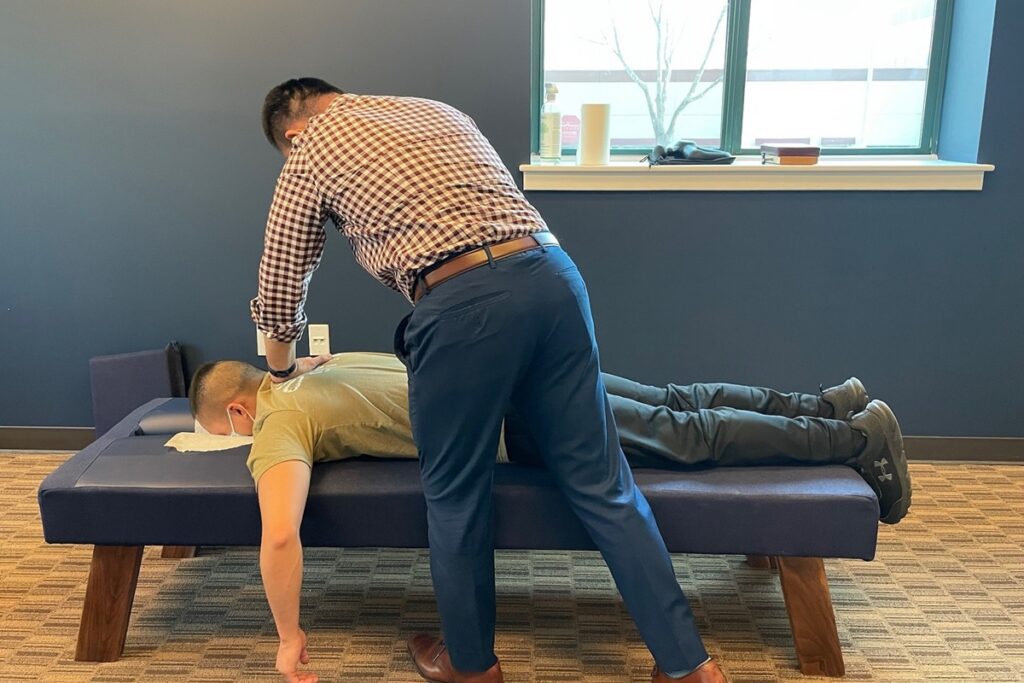
Dr. Ernest Luong at Resilience Chiropractic in San Leandro takes an individualized approach to scoliosis care. Before any treatment begins, a thorough evaluation is conducted to understand the type of curve, its location, the patient’s age and activity level, and what symptoms, if any, are present. From there, a care plan is developed that may include gentle spinal adjustments to improve joint mobility, soft tissue work to relieve muscle tension, and rehabilitative exercises to improve posture and core stability.
For patients who experience nerve-related discomfort alongside their scoliosis, spinal decompression therapy may also be an option worth exploring. This non-invasive approach gently stretches the spine to reduce pressure on discs and nerves. You can learn more about how it works in this overview of how spinal decompression works to reduce pain and restore mobility.
For younger patients, early evaluation is particularly valuable. Children and adolescents whose curves are still developing have more options available to them, and conservative care started early may help manage progression. If your child has been flagged for a spinal curvature concern, reaching out to learn more about our pediatric chiropractic services is a great first step.
Chiropractic care is also often integrated with other conservative approaches. Our team at Resilience Chiropractic collaborates across disciplines, and physical therapy may be recommended alongside chiropractic care to build the strength and stability needed to support the spine long-term.
Practical Tips for Living Well With Scoliosis
A scoliosis diagnosis doesn’t mean you have to scale back your life. Many people with scoliosis are active, healthy, and doing very well — especially when they take a proactive approach to their spinal health. Here are some practical strategies that can help.
Staying active is one of the best things you can do. Low-impact activities like swimming, walking, and yoga support spinal health without placing excessive stress on the spine. Core strengthening exercises — guided by a qualified provider — can help build the muscular support your spine needs to function well. Posture awareness throughout the day also matters: being conscious of how you sit, stand, and carry bags or backpacks can reduce unnecessary strain.
Ergonomic setup at work or school deserves attention too. A chair that supports the lower back, a screen at eye level, and keeping both feet flat on the floor are simple changes that add up over time. For active patients and athletes managing scoliosis, our sports chiropractic care can help optimize movement patterns while accounting for spinal asymmetry.
Regular monitoring is equally important. If you’ve been diagnosed with scoliosis, periodic check-ins with a qualified provider allow any changes in the curve to be caught early. Don’t wait until symptoms become significant — being proactive is always the better approach. In fact, waiting too long to see a chiropractor can sometimes allow manageable issues to become more complex ones.
When to See a Chiropractor
If you’ve recently been told you or your child has scoliosis, or if you’ve noticed signs of postural asymmetry that haven’t been evaluated, it’s a good time to schedule a consultation. You don’t need to be in significant pain to benefit from a chiropractic assessment — in fact, getting evaluated early often leads to better outcomes.
You should also consider seeking care if you’ve had a known scoliosis diagnosis for years but haven’t had a recent evaluation. Adult curves can progress, particularly during periods of hormonal change, significant weight changes, or with advancing age. Back or hip discomfort, noticeable changes in posture, or difficulty with everyday movement are all good reasons to come in and get assessed.
There are also situations where a chiropractor will refer you to another specialist or recommend imaging before proceeding. Severe curves — generally above 45 to 50 degrees — may require orthopedic evaluation and could be candidates for bracing or surgical consultation. Rapidly progressing curves in children should also be evaluated by a medical team alongside any conservative care. At Resilience Chiropractic, Dr. Ernest Luong is committed to honest, appropriate care — which means knowing when to refer is just as important as knowing how to treat.
Scoliosis Types at a Glance
| Type | Typical Age of Onset | Primary Cause | Common Population |
|---|---|---|---|
| Idiopathic (Adolescent) | 10–18 years | Unknown; likely genetic | Adolescents, especially girls |
| Idiopathic (Infantile/Juvenile) | 0–9 years | Unknown; possibly genetic or positional | Young children |
| Congenital | Present at birth | Abnormal vertebral formation in utero | Infants and young children |
| Neuromuscular | Variable | Underlying neurological/muscular condition | Individuals with cerebral palsy, muscular dystrophy, etc. |
| Degenerative | 50+ years | Age-related disc and joint degeneration | Middle-aged and older adults |
Myths vs. Facts About Scoliosis
Myth: Scoliosis Is Always Caused by Poor Posture or Heavy Backpacks
Fact: This is one of the most pervasive myths around scoliosis, and it causes a lot of unnecessary guilt for parents. Poor posture and heavy loads can strain the spine, but they do not cause structural scoliosis. The most common form — adolescent idiopathic scoliosis — has no confirmed environmental cause, and research has not established carrying backpacks as a cause.
Myth: Only Teenagers Get Scoliosis
Fact: While adolescent idiopathic scoliosis is the most common type, scoliosis can occur at any age — from infancy through adulthood. Degenerative scoliosis affects many adults over 50, and it’s increasingly recognized as a significant source of back pain and functional decline in older populations.
Myth: If It Doesn’t Hurt, It Doesn’t Need Attention
Fact: Mild scoliosis often causes no pain at all — particularly in children. But that doesn’t mean it should be ignored. Untreated curves can progress during growth spurts, and early monitoring allows for better decision-making down the road. Regular evaluation is important regardless of symptom level.
Myth: Chiropractic Care Can Straighten a Scoliotic Spine
Fact: Chiropractic care does not structurally correct or eliminate scoliotic curves. What it can do is help improve joint mobility, reduce muscular tension and discomfort, and support better posture and movement quality. It’s a valuable part of a conservative management strategy, not a cure.
Myth: People With Scoliosis Can’t Exercise or Play Sports
Fact: In most cases, people with scoliosis are encouraged to stay active. Exercise supports spinal health, builds muscular stability, and improves overall function. Guidance from a knowledgeable provider helps ensure activity is approached in a way that’s appropriate for the individual’s curve and condition.
Final Thoughts From Resilience Chiropractic
Scoliosis is a condition that affects people of all ages, and it looks different for everyone. Whether you’re a parent concerned about your child’s posture, a teenager navigating a new diagnosis, or an adult dealing with back changes that have crept up over the years — you deserve clear information and compassionate care. Understanding what causes scoliosis is the starting point, but getting the right evaluation is what moves things forward.
Here at Resilience Chiropractic in San Leandro, CA, Dr. Ernest Luong and our team are here to help you make sense of what’s happening with your spine and figure out the best path forward — together. We take the time to listen, to evaluate thoroughly, and to explain your options in plain language, without pressure. If you’ve been looking for scoliosis support near San Leandro, we’d love to be a resource for you and your family. Reach out to us — we’re right here in your community, and we’re ready to help.
For more information about how we approach scoliosis specifically, you can visit our dedicated scoliosis treatment page. And if you’re interested in a broader picture of how we support long-term spinal health, our wellness chiropractic care services are designed with exactly that in mind.
Frequently Asked Questions About Scoliosis
What causes scoliosis in children and teenagers?
The most common type in this age group is adolescent idiopathic scoliosis, which means the cause is not fully known. Research suggests a genetic component is likely involved, as scoliosis tends to run in families. Environmental factors like posture or backpacks have not been shown to cause it.
Can scoliosis get worse over time?
Yes, it can — particularly during periods of rapid growth in children and adolescents. In adults, degenerative changes can also lead to gradual curve progression. Regular monitoring is important to catch any changes early and adjust management accordingly.
Is scoliosis painful?
Mild scoliosis often causes little to no pain, especially in younger patients. Pain is more commonly associated with adult-onset or degenerative scoliosis, or with more significant curves that affect posture and muscle balance. Discomfort, when present, can often be managed conservatively.
Can a chiropractor help with scoliosis?
Chiropractic care can help address secondary effects of scoliosis such as joint stiffness, muscle imbalances, and postural discomfort. It does not structurally correct the curve, but it can be a meaningful part of a conservative management plan. An individualized evaluation is the best way to determine what approach is appropriate.
At what age is scoliosis most commonly diagnosed?
Adolescent idiopathic scoliosis is most often diagnosed between the ages of 10 and 18, frequently during school screenings or growth-related checkups. However, scoliosis can be identified at any age — including in infants, young children, and adults.
Should I see a chiropractor or a medical doctor for scoliosis?
Both can play a role depending on the situation. A chiropractor can evaluate and help manage mild to moderate scoliosis conservatively, while orthopedic specialists handle cases that may require bracing or surgical intervention. In many cases, a collaborative approach is ideal.
TL;DR
- Scoliosis is an abnormal side-to-side curvature of the spine that can affect people of all ages, from infants to older adults.
- Understanding what causes scoliosis depends on the type — idiopathic scoliosis (the most common) has no single confirmed cause, while congenital, neuromuscular, and degenerative forms have more identifiable origins.
- Scoliosis doesn’t always cause pain, especially in milder cases — but it does benefit from regular monitoring and proactive management.
- Chiropractic care can help address muscular tension, joint mobility, and postural discomfort related to scoliosis, though it does not structurally correct the curve.
- Dr. Ernest Luong and the team at Resilience Chiropractic in San Leandro, CA are available to evaluate your spine and help you understand your options in a supportive, no-pressure environment.