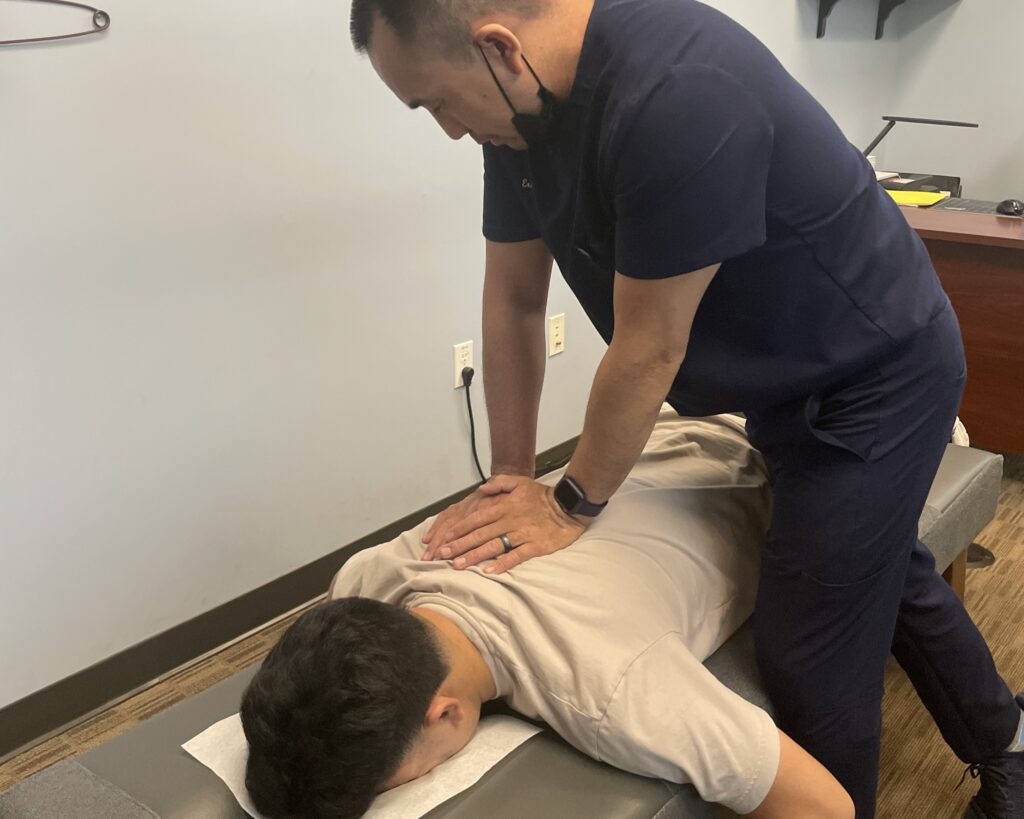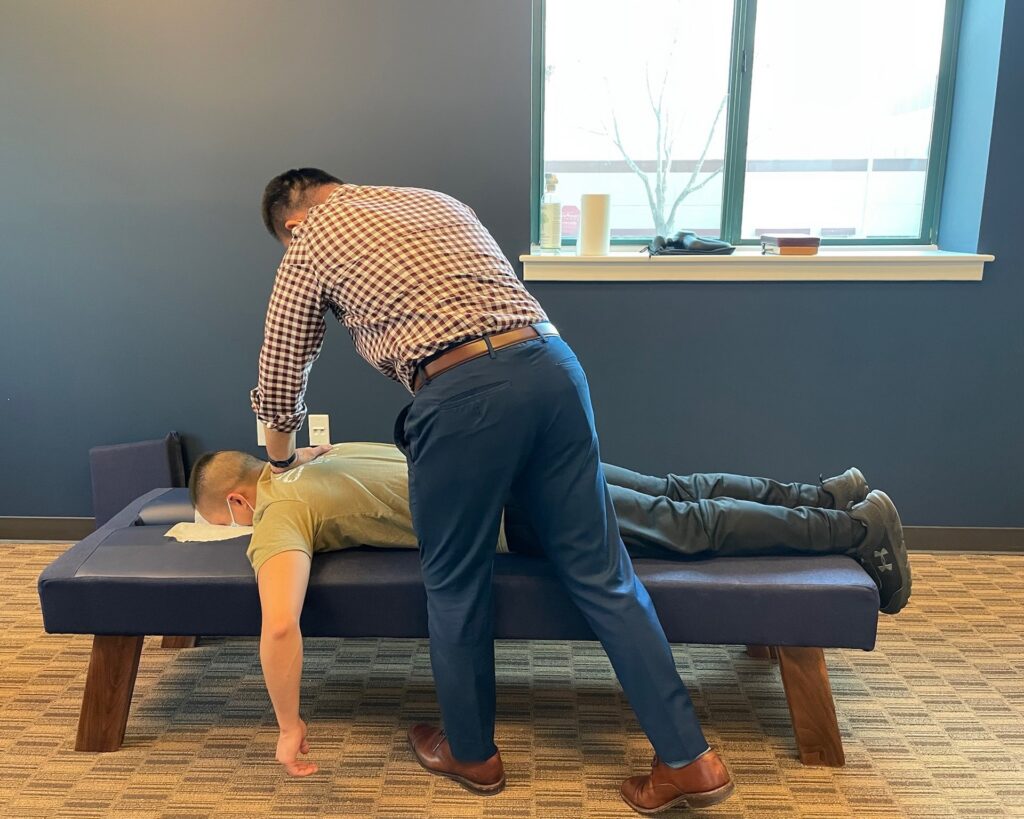
As a local chiropractor, I often see patients who struggle with back pain and the impact it has on their everyday activities. Many people are unaware that there are natural techniques available to help relieve this discomfort without relying on medication. Techniques such as stretching, yoga, and other holistic practices can significantly ease tension and enhance flexibility in your body.
Understanding which approach is suitable for you is crucial. That’s why I encourage my patients to explore the various options we discuss during our sessions. Whether it’s through targeted stretches, guided yoga practices, or chiropractic adjustments, discovering the right method tailored to your needs can lead you to the relief you’ve been searching for. Remember, natural healing is not just about alleviating pain; it’s about promoting overall wellness and helping you regain control of your life.
Understanding the Causes of Back Pain
As a local chiropractor, I want to help you understand that back pain can originate from a variety of sources. It’s crucial to recognize these causes so we can work together towards effective relief.
Many people experience discomfort due to muscle strains, which commonly occur from lifting heavy objects or maintaining poor posture. If you find yourself sitting for extended periods without adequate support, that can lead to tension building in your back.
Additionally, underlying conditions such as herniated discs or arthritis can contribute to more chronic pain. It’s also important to note that stress and anxiety can physically manifest, resulting in tightness in your back muscles.
I encourage you to reflect on your daily habits and lifestyle choices. Are you incorporating enough exercise into your routine? Is your mattress providing the support you need? By identifying these factors, we can pinpoint the root causes of your discomfort.
Recognizing what may be contributing to your pain is a vital step in developing a tailored approach to address it effectively. In chiropractic care, awareness is the first step toward recovery.
Together, we can explore natural healing strategies that promote long-term wellness and relief from back pain. Let’s work towards restoring balance and comfort in your life!
Benefits of Stretching and Flexibility Exercises
As a local chiropractor, I want to emphasize the importance of incorporating stretching and flexibility exercises into your daily routine, especially if you’re experiencing back pain. These exercises are crucial for enhancing your overall well-being and can significantly alleviate discomfort.
When you engage in stretching, you’re not just increasing your range of motion; you’re making everyday activities more manageable. By loosening tight muscles, you can effectively reduce tension in your back, which often translates to less pain and discomfort. This is an essential step toward achieving a healthier spine.
Improving your flexibility also plays a vital role in promoting better posture. Good posture is key to preventing additional back issues. When your body is flexible, it aligns more naturally, which lessens the strain on your spine.
Moreover, regular stretching is beneficial for your blood circulation, ensuring that essential nutrients reach your muscles and facilitating quicker recovery.
I can’t stress enough the importance of consistency in this practice. Just dedicating a few minutes each day to stretching can lead to significant improvements over time. By making flexibility a priority, you’re not just addressing your current discomfort; you’re investing in your long-term health and well-being, allowing you to enjoy life without the burden of back pain.
If you have any questions or would like guidance on specific stretches, feel free to reach out!
The Role of Yoga in Pain Management
As a local chiropractor, I want to share how yoga can be an incredibly effective tool in managing back pain. The practice includes various poses that not only promote relief but also improve flexibility, which is crucial for spinal health.
Additionally, incorporating breathing techniques into your routine can significantly enhance relaxation and alleviate discomfort.
Moreover, yoga encourages mindfulness, which can help shift your focus away from pain and foster a more positive mindset during your healing journey.
Yoga Poses for Relief
As a chiropractor, I often recommend incorporating specific yoga poses into your routine to help manage back pain and enhance your overall wellness.
For instance, Child’s Pose is a fantastic way to gently stretch your back and promote relaxation, which can be helpful in alleviating discomfort. The Cat-Cow Pose is another excellent choice; it mobilizes your spine and helps ease tension while improving flexibility.
Additionally, the Downward-Facing Dog not only strengthens your back but also stretches your hamstrings, which can significantly reduce strain on your lower back.
I also suggest trying the Sphinx Pose, as it provides a gentle backbend that offers support and relief to the lower back—perfect for those feeling tight or tense.
Lastly, the Bridge Pose is ideal for engaging your core and glutes, which plays a crucial role in stabilizing your spine.
Incorporating these poses into your daily routine can lead to noticeable improvements in pain levels and mobility over time.
Remember to always listen to your body and make modifications as needed to ensure a safe and beneficial practice.
Breathing Techniques Benefits
As a local chiropractor, I want to emphasize the significant role breathing techniques play in pain management, something that often goes unnoticed. Many people think of chiropractic care solely in terms of physical adjustments, yet the power of proper breathing can be a game-changer for your overall well-being.
When you focus on deep, controlled breathing, you not only help your body relax but also sharpen your mental focus, which can effectively diminish your perception of pain. Engaging your diaphragm through these breathing exercises enhances oxygen delivery to your muscles and tissues, alleviating tension—particularly in areas commonly affected by discomfort, such as the back.
Moreover, these breathing techniques can activate your body’s natural relaxation response, reducing stress hormones and fostering a profound sense of calm. By incorporating these practices into your daily routine, you can’t only complement your chiropractic treatments but also empower yourself with valuable tools for managing pain in everyday life.
Mindfulness and Pain Management
As a local chiropractor, I want to share how integrating mindfulness practices, particularly yoga, into your pain management routine can significantly improve your overall well-being.
Yoga is an excellent complement to chiropractic care, as it combines physical postures, breathing exercises, and meditation, allowing you to establish a deeper connection with your body. By being mindful of your breath and movements, you can cultivate awareness that helps reduce stress and shift your attention away from pain.
Regular yoga practice not only enhances flexibility and strength but also promotes relaxation, which is crucial for recovery. As you become more attuned to your body, you may discover that your pain becomes more manageable.
Furthermore, engaging in yoga often fosters a sense of community and support, which can be incredibly beneficial on your healing journey. This holistic approach empowers you to take charge of your pain and improve your quality of life, complementing the care you receive in my office.
Mindfulness and Meditation Techniques
As a local chiropractor, I want to share how mindfulness and meditation techniques can significantly aid in managing back pain. These practices encourage you to focus your attention and enhance your awareness of your body, which can help alleviate stress and tension often associated with discomfort.
To get started, find a quiet space where you can either sit or lie down comfortably. Close your eyes, take deep, calming breaths, and concentrate on the natural rhythm of your breath. When thoughts come to mind, simply acknowledge them without judgment, and gently redirect your focus back to your breathing.
Additionally, consider using guided meditation apps or videos specifically designed for pain relief. These resources provide structured approaches that can help you stay engaged and motivated in your practice.
By incorporating mindfulness into your routine, you can cultivate a healthier relationship with your pain, allowing you to respond to it with greater calmness.
Over time, these techniques can enhance your overall well-being and improve your ability to cope with back pain. Remember, chiropractic care isn’t just about adjustments; it’s also about empowering you with tools, like mindfulness and meditation, to support your healing journey naturally.
Importance of Proper Ergonomics
As a local chiropractor, I understand that many of you spend hours sitting at desks or using electronic devices, which can lead to discomfort and back pain if proper ergonomics aren’t prioritized.
It’s crucial to create a workspace that promotes a healthy posture to support your overall well-being.
Start by adjusting your chair so that your feet rest flat on the floor, with your knees forming a 90-degree angle. This positioning helps to alleviate unnecessary strain on your back. Your monitor should be set at eye level, which allows you to keep your neck straight and reduces the risk of strain.
When you’re typing, it’s important to keep your wrists straight and your elbows close to your body. Make sure your keyboard is at a height that feels comfortable to you.
Frequent breaks are also vital; take time to stretch and move around. Staying in one position for too long can lead to tension and discomfort, which we often see in our practice.
By making these adjustments and incorporating regular movement into your day, you can significantly improve your posture and reduce the likelihood of pain.
Utilizing Heat and Cold Therapy
As your local chiropractor, I want to share some valuable insights on managing back pain through natural methods like heat and cold therapy.
These therapies can truly transform your experience. Heat therapy is excellent for relaxing tight muscles and enhancing blood circulation, which can alleviate discomfort.
On the other hand, cold therapy is effective in reducing inflammation and numbing sharp pain sensations.
For many of my patients, I often recommend experimenting with a combination of both treatments. This approach can lead to even more significant relief, as each method addresses different aspects of pain.
It’s important to listen to your body and discover what combination works best for you.
Benefits of Heat Therapy
As a local chiropractor, I want to share with you the remarkable benefits of heat therapy, especially if you’re dealing with back pain.
While you may have explored various methods to find relief, heat therapy is a natural and highly effective option that can significantly enhance your comfort and relaxation.
Here are three key advantages of incorporating heat therapy into your wellness routine:
- Increases Blood Flow: Applying heat to the affected area helps to dilate blood vessels, which in turn boosts circulation. This increased blood flow not only promotes healing but also helps to alleviate stiffness, allowing your body to recover more effectively.
- Relaxes Muscles: The soothing warmth from heat therapy is excellent for easing tense muscles. By calming muscle spasms, heat therapy can provide immediate relief from discomfort, making it a great addition to your pain management toolkit.
- Enhances Flexibility: Heat therapy works wonders in loosening tight muscles and joints, which can improve your overall range of motion. This increased flexibility allows you to engage in daily activities more comfortably, helping you maintain an active and fulfilling lifestyle.
As you consider your options for managing pain, remember that heat therapy can play a vital role in your overall well-being.
It’s a simple, natural, and effective way to support your body’s healing process.
If you have any questions or would like to learn more about how chiropractic care can complement heat therapy, feel free to reach out!
Advantages of Cold Therapy
As a local chiropractor, I want to share with you the benefits of cold therapy, particularly when it comes to managing back pain and aiding in your recovery process.
Cold therapy is often used alongside heat therapy, and each has its unique advantages. When you apply cold packs or ice to the affected area, it works wonders by reducing inflammation and numbing sharp pain, providing you with immediate relief.
This method is especially helpful after you’ve engaged in physical activity or experienced an injury, as it can prevent swelling and help ease muscle tension. You might be surprised to learn that cold therapy can also stimulate increased blood flow once the cold is removed, which further aids in the healing process.
Incorporating cold therapy into your routine is simple and effective. Just remember to wrap ice in a cloth to protect your skin, and limit your application to 15-20 minutes at a time for optimal results.
Combining Heat and Cold
As a local chiropractor, I’m here to help you understand how combining heat and cold therapy can be a powerful tool in managing back pain naturally.
Many of my patients have found that using both methods together can significantly alleviate discomfort and promote healing.
Let me guide you through the process:
- Begin with Cold Therapy: Start by applying a cold pack to the affected area for about 15-20 minutes. This initial step is crucial as it helps to reduce inflammation and numbs any sharp pain you might be experiencing.
- Switch to Heat Therapy: After 24-48 hours, once the initial inflammation has subsided, it’s time to transition to heat therapy. Use a heating pad or a warm towel for another 15-20 minutes. This will help relax tight muscles and improve blood circulation, which is vital for recovery.
- Alternate for Maximum Relief: Throughout the day, feel free to alternate between heat and cold therapy based on how your body responds. Pay attention to your symptoms, and use the method that provides the most relief at that moment.
By incorporating both heat and cold into your routine, you can enhance your recovery process, relieve pain, and regain mobility more effectively.
Incorporating Strength Training for Support
As a local chiropractor, I want to share with you the transformative benefits of strength training for alleviating back pain and supporting your spine. Building muscle strength can be a key factor in enhancing your overall stability and reducing the strain on your back.
By incorporating exercises such as deadlifts, planks, and rows into your routine, you can strengthen your core and back muscles, which are crucial for maintaining proper posture.
It’s important to start with light weights and prioritize your form to avoid injury. I recommend aiming for two to three strength training sessions each week, gradually increasing the intensity as you become more comfortable and stronger.
Consistency is essential; you don’t need to dedicate hours at the gym—short, focused workouts can provide substantial benefits.
Always listen to your body, and if something feels off, don’t hesitate to reach out for guidance. With a commitment to strength training, you can’t only alleviate back pain but also enhance your overall quality of life, making everyday activities much more manageable.
Conclusion
As a local chiropractor, I want to share how incorporating natural techniques for back pain relief can significantly enhance your overall well-being. It’s essential to first understand the root causes of your discomfort. Many times, simple practices such as stretching, yoga, and mindfulness can work wonders in improving your flexibility and alleviating tension in your back.
I cannot stress enough the importance of proper ergonomics in your daily activities. Whether you’re sitting at a desk or lifting heavy objects, maintaining good posture can make a significant difference. Additionally, utilizing heat and cold therapy is a fantastic way to manage pain and promote healing.
Strength training is another vital component that I encourage my patients to include in their routines. It helps build the support your back needs to function correctly. By taking a holistic approach to your health, combining these natural techniques with chiropractic care, you can find lasting relief and foster a healthier lifestyle. Remember, your journey towards better back health is a partnership, and I’m here to guide you every step of the way.