
If you’ve recently been in a car accident or took a hard hit during a sporting event, you may have heard the word “whiplash” tossed around. But what causes whiplash, exactly? And more importantly, what should you do about it? Here in San Leandro, Dr. Ernest Luong and the team at Resilience Chiropractic see whiplash injuries on a regular basis — and one of the most important things we’ve learned is that many people don’t fully understand what’s happening in their body when this injury occurs. That lack of understanding can lead to delayed care, and delayed care can turn a manageable injury into a long-term problem. This guide is designed to change that. Whether you’re currently dealing with neck pain after an accident or you’re simply trying to understand this condition better, you’re in the right place.
What Is Whiplash?
Whiplash is a soft tissue injury to the neck caused by a sudden, forceful back-and-forth movement of the head — similar to the cracking of a whip. It affects the muscles, ligaments, tendons, and sometimes the discs and nerves of the cervical spine (the neck region). It is one of the most common injuries following rear-end car collisions, but it can also occur from sports impacts, falls, or other physical trauma.
- What Happens to Your Neck During a Whiplash Injury
- The Most Common Causes of Whiplash
- Signs and Symptoms to Watch For
- How Chiropractic Care Fits Into Whiplash Recovery
- Practical Tips While You Recover
- When to See a Chiropractor
- Whiplash Symptoms vs. Common Triggers
- Myths vs. Facts About Whiplash
- Final Thoughts from Resilience Chiropractic
- Frequently Asked Questions
- TL;DR Summary
What Happens to Your Neck During a Whiplash Injury
To truly understand what causes whiplash, it helps to understand what’s going on inside the neck during the moment of impact. The cervical spine is an incredibly complex structure. It houses seven vertebrae, dozens of muscles and ligaments, and the spinal cord itself — all working together to support the weight of your head and allow it to move freely in multiple directions.
When a sudden force is applied — like the jolt of a rear-end collision — the head snaps backward and then rapidly forward. This happens faster than your muscles can react. In that fraction of a second, the soft tissues in your neck are stretched far beyond their normal range of motion. Ligaments may be sprained. Muscles may be strained. The joints between the vertebrae, called facet joints, can be compressed or irritated. In more serious cases, cervical discs can be affected as well.
What makes whiplash particularly tricky is that the damage isn’t always visible on standard X-rays. The injury is largely soft tissue in nature, which means you can feel significant pain and dysfunction even when imaging looks normal. This is one reason why some people dismiss their symptoms — only to find that weeks or months later, their pain has become chronic. If you’ve been in an accident and are noticing neck pain that won’t go away, that’s your body telling you something needs attention.
The Most Common Causes of Whiplash
When most people think about what causes whiplash, they immediately think of car accidents — and for good reason. Rear-end collisions are the leading cause of this type of injury. But whiplash can be triggered by a wider range of events than most people realize.
Motor Vehicle Accidents: Even low-speed crashes can generate enough force to cause whiplash. The speed of the impact matters less than the abruptness of it. A collision at just 10 miles per hour can be enough to strain the soft tissues of the cervical spine if the person in the vehicle isn’t braced for it. This is why auto injury chiropractic care is such an important resource for people here in San Leandro and throughout the Bay Area.
Contact Sports: Football, rugby, hockey, and martial arts are among the sports most associated with whiplash-type injuries. A tackle, a check into the boards, or a fall from a throw can all produce that same rapid acceleration-deceleration pattern in the neck. Even soccer has been linked to whiplash when players head the ball repeatedly or collide mid-air.
Slip and Fall Accidents: Falls — whether from a ladder, on a wet floor, or down a staircase — can jolt the head with enough force to strain the cervical spine. The impact doesn’t have to be direct. Sometimes it’s the sudden stopping or twisting motion that causes the damage.
Physical Assault or Shaking: Any incident that involves a forceful shaking or blow to the head or upper body can cause whiplash. This includes physical altercations and, in extreme cases, the type of shaking seen in certain accident scenarios.
Amusement Rides: Roller coasters and other high-intensity amusement park rides produce rapid changes in direction and speed — the exact mechanics that lead to whiplash. This is more common than people expect, particularly in older adults whose tissues are less resilient.
Signs and Symptoms to Watch For
One of the most important things to know about whiplash is that symptoms don’t always appear immediately. In fact, it’s quite common for pain and stiffness to be delayed by 24 to 72 hours after the initial injury. This delay can make people think they escaped unharmed — only to wake up two days later barely able to turn their head.
The most common symptoms of whiplash include neck pain and stiffness, reduced range of motion in the neck, headaches that originate at the base of the skull, and tenderness in the shoulder and upper back region. Some people also experience headaches and migraines that persist for weeks after the injury. Dizziness, fatigue, and difficulty concentrating — sometimes called “brain fog” — are also associated with more significant whiplash injuries.
In some cases, the injury can affect nearby nerves, leading to tingling or numbness that radiates down into the arms or hands. If the cervical discs are involved, you may experience symptoms consistent with a herniated disc, including sharp or shooting pain that worsens with certain neck movements. Vertigo — a spinning or off-balance sensation — can also occur when the upper cervical joints are disrupted, affecting the signals your body sends to the brain about spatial orientation.
It’s worth noting that the severity of initial symptoms doesn’t always predict long-term outcomes. Someone with mild initial pain can develop chronic issues if the injury goes untreated. Early evaluation is key.
How Chiropractic Care Fits Into Whiplash Recovery
Chiropractic care is widely recognized as one of the most appropriate conservative, non-surgical approaches to whiplash recovery. Organizations like the National Institute for Health and Care Excellence (NICE) and the American Chiropractic Association (ACA) acknowledge manual therapies as a valuable component of musculoskeletal care for injuries of this type.
At Resilience Chiropractic in San Leandro, Dr. Ernest Luong begins with a thorough evaluation to understand the full extent of the injury. This includes assessing range of motion, checking for areas of restricted movement or misalignment in the cervical spine, and reviewing any imaging studies when applicable. No two whiplash injuries are the same, and care is always individualized to the patient’s specific presentation.
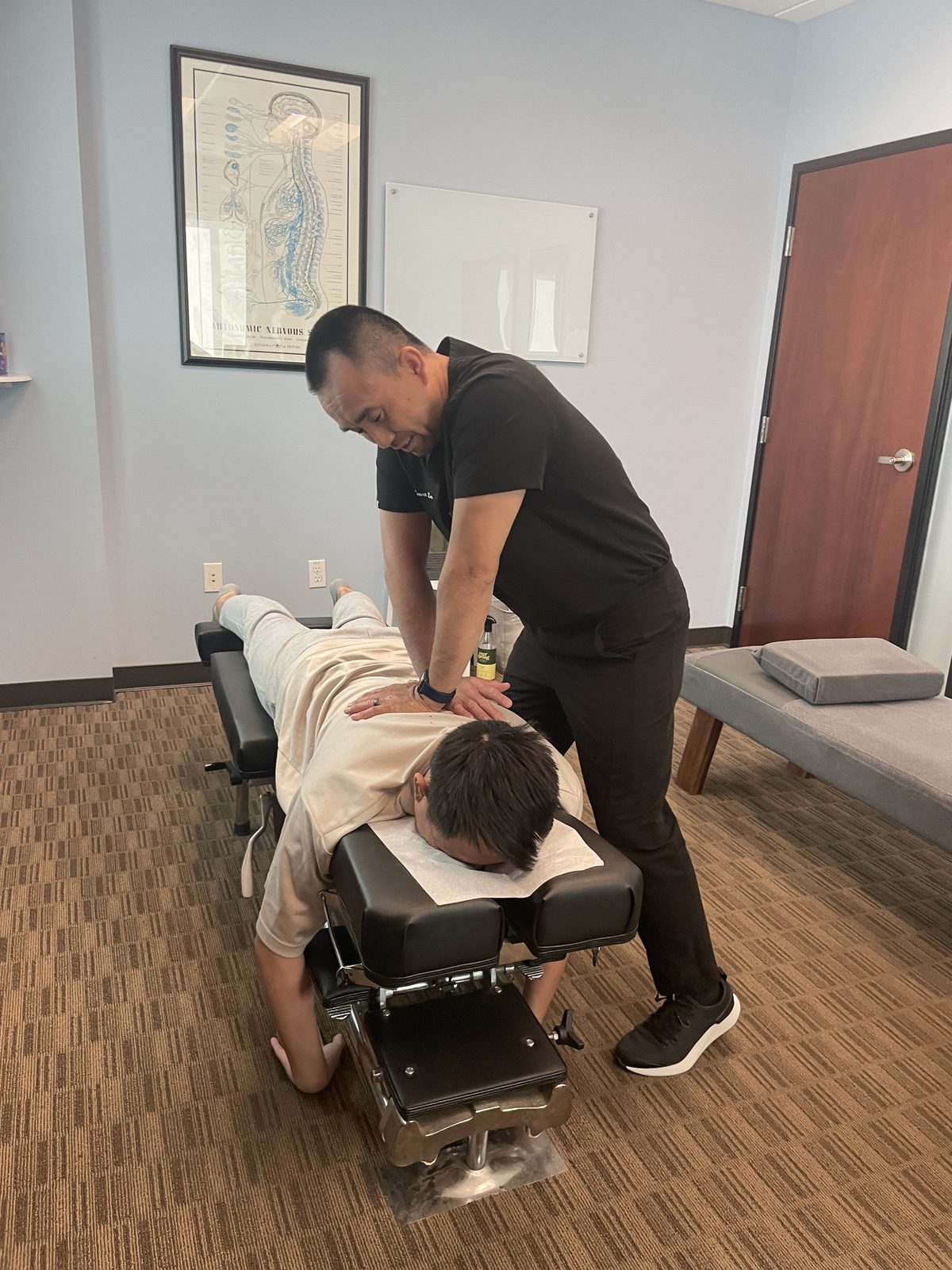
Chiropractic adjustments — also called spinal manipulations — can help restore proper joint movement in the cervical spine, reduce nerve irritation, and decrease muscle tension. For patients dealing with disc involvement, spinal decompression therapy may be incorporated to gently reduce pressure on affected discs and promote healing. Soft tissue therapies and rehabilitative exercises are often part of a well-rounded recovery plan as well.
Many patients in San Leandro are surprised to learn how much they can improve without medications or surgery. Chiropractic care is about supporting the body’s natural ability to heal — not forcing it. If you’d like to learn more about what the recovery process looks like, our detailed guide on whiplash treatment in San Leandro walks you through what to expect at each stage of care.
For patients who sustained whiplash during athletic activity, sports chiropractic care can address not just the acute injury but also the biomechanical factors that may have contributed to it — helping athletes return to their sport more safely and confidently.
Practical Tips While You Recover
While professional care is essential for a full and proper recovery from whiplash, there are things you can do at home to support the healing process. These suggestions are meant to complement — not replace — the guidance of your chiropractor.

First, avoid staying completely still. While rest is important in the immediate aftermath of an injury, prolonged immobilization can actually slow recovery. Gentle, controlled movement helps maintain circulation and prevents the muscles and joints from stiffening further. Dr. Ernest Luong at Resilience Chiropractic will guide you on appropriate activity levels for your specific stage of recovery.
Second, be mindful of your sleep position. Sleeping on your back with a cervical support pillow — one that supports the natural curve of your neck — can significantly reduce overnight discomfort and help your spine maintain better alignment during the healing process. Avoid sleeping on your stomach, as this forces the neck into extended rotation for hours at a time.
Third, pay attention to your screen habits. Many San Leandro residents spend long hours at a computer or looking down at a phone, and this forward-head posture adds significant stress to an already injured cervical spine. If you’re working through whiplash recovery, taking frequent breaks, raising your screen to eye level, and practicing chin tucks throughout the day can make a meaningful difference. Our resource on at-home exercises that relieve neck pain includes simple movements that are safe for most people during recovery.
Fourth, apply heat or ice appropriately. In the first 48 to 72 hours, ice is generally preferred to reduce inflammation. After that initial phase, moist heat can help relax tight muscles. Always use a barrier between the ice or heat source and your skin to avoid burns or frostbite.
When to See a Chiropractor
The honest answer is: sooner is almost always better when it comes to whiplash. Many patients wait weeks before seeking care because they assume the pain will pass on its own. Sometimes it does. But research suggests that early intervention significantly improves outcomes and reduces the risk of chronic pain developing. As we explore in our article on why most people wait too long to see a chiropractor, delayed care often means a longer, harder road to recovery.
You should see a chiropractor if you’re experiencing neck pain or stiffness that persists beyond a day or two after an injury, recurring headaches that started after the incident, reduced range of motion in the neck, shoulder or upper back tenderness, or any tingling, numbness, or weakness in the arms. These are all signs that the cervical spine has been affected and would benefit from professional evaluation.
There are also red flags that indicate you should seek immediate medical attention rather than waiting for a chiropractic appointment. These include severe headache with sudden onset, loss of consciousness, significant neurological symptoms such as weakness or coordination problems, or any signs of spinal cord involvement. In these cases, go to an emergency room first. Once serious conditions have been ruled out, chiropractic care can be a highly effective next step in your recovery.
Whiplash Symptoms vs. Common Triggers
| Symptom | Common Trigger | What It Suggests |
|---|---|---|
| Neck pain and stiffness | Rear-end car collision | Muscle strain or facet joint irritation |
| Headaches at the base of the skull | Ligament sprain from sudden jolt | Upper cervical joint involvement |
| Dizziness or vertigo | Disruption to upper cervical joints | Altered proprioceptive signals to the brain |
| Arm tingling or numbness | Nerve irritation from disc or joint | Possible cervical nerve root involvement |
| Shoulder and upper back pain | Sports collision or fall | Referred pain from cervical soft tissue damage |
| Fatigue and difficulty concentrating | Moderate to significant whiplash injury | Systemic stress response to trauma |
Myths vs. Facts About Whiplash
Myth: You can only get whiplash in a high-speed crash.
Fact: Whiplash can occur at surprisingly low speeds. Studies have shown that the abruptness of the impact — not necessarily the speed — is what matters most. Many significant whiplash injuries happen in collisions at 10 to 15 miles per hour or even slower.
Myth: If the pain isn’t immediate, you don’t have whiplash.
Fact: Delayed onset of symptoms is actually very common with whiplash. It may take 24 to 72 hours — sometimes longer — for the full extent of soft tissue inflammation and injury to become apparent. Feeling fine right after an accident does not mean you are injury-free.
Myth: Whiplash heals on its own if you just rest and wait it out.
Fact: While mild cases may improve with time, many whiplash injuries — particularly those affecting ligaments or discs — do not heal optimally without proper care. Untreated whiplash can contribute to chronic neck pain, recurring headaches, and long-term range of motion issues. Early, targeted care produces significantly better outcomes in most cases.
Myth: Whiplash is just a neck problem.
Fact: Whiplash can affect the entire upper spine, including the shoulders, upper back, and even the jaw. Symptoms like dizziness, visual disturbances, cognitive difficulties, and arm pain can all stem from a whiplash injury. It is a whole-body event, not simply a localized neck strain.
Myth: Chiropractic care is not safe for whiplash injuries.
Fact: Chiropractic care is considered a frontline conservative treatment for whiplash by major health guidelines. When performed by a licensed, experienced chiropractor like Dr. Ernest Luong, it is both safe and effective for the vast majority of patients. Care is always adapted to the individual’s condition and comfort level.
Final Thoughts from Resilience Chiropractic
Understanding what causes whiplash is the first step toward recovering from it properly. Whether your injury came from a collision on the freeway, a fall at a local park, or a hard hit during a weekend game, the message is the same: your body deserves thoughtful, timely care.
At Resilience Chiropractic in San Leandro, CA, Dr. Ernest Luong is committed to helping patients in our community navigate whiplash and other musculoskeletal injuries with compassion and clinical expertise. We believe that conservative, non-invasive care — guided by a thorough understanding of your individual situation — is almost always the best place to start. You don’t have to live with pain, and you don’t have to figure this out alone.
If you’re in the San Leandro area and you’ve recently experienced an injury or are dealing with lingering symptoms you haven’t yet addressed, we encourage you to reach out. Our team is here to listen, evaluate, and walk you through a care plan that makes sense for your life and your goals. You can also explore our full range of whiplash treatment options to learn more about what recovery looks like under our care.
Frequently Asked Questions
How long does whiplash take to heal?
Recovery time varies depending on the severity of the injury and how quickly care is initiated. Mild whiplash may resolve within a few weeks, while more significant injuries can take several months. Early chiropractic evaluation is one of the best ways to support a full and efficient recovery.
Can whiplash cause long-term damage?
Yes, in some cases whiplash can contribute to chronic pain and dysfunction if not properly treated. Ligament laxity, disc changes, and habitual muscle tension patterns can all persist if the initial injury isn’t addressed. This is one of the most compelling reasons to seek care early rather than waiting to see if the pain resolves on its own.
Is chiropractic care covered by insurance after a car accident in California?
In many cases, chiropractic care following an auto accident is covered through personal injury protection (PIP) or the at-fault party’s liability insurance. It is always best to check with your specific insurance provider and the team at Resilience Chiropractic to understand your coverage options.
What causes whiplash in sports, and is it different from car accident whiplash?
The underlying mechanism is the same — a rapid acceleration-deceleration of the head that overstretches the cervical soft tissues. The main difference is the context and sometimes the direction of force. Sports-related whiplash may involve lateral (side-to-side) impacts more frequently than the front-to-back pattern typical of car accidents.
Can whiplash cause dizziness and vertigo?
Yes. Disruption to the upper cervical joints can interfere with the body’s proprioceptive system — the system that tells your brain where your head is in space — and can contribute to dizziness and vertigo symptoms. If you’re experiencing these after an injury, it’s important to have a thorough evaluation. You can also read more about what causes vertigo and how chiropractic can help.
Should I go to the ER or a chiropractor after a car accident?
If you have any severe symptoms — loss of consciousness, intense neurological deficits, or signs of serious spinal injury — go to the emergency room first. Once serious conditions have been ruled out, a chiropractor is an excellent next step. Dr. Ernest Luong at Resilience Chiropractic in San Leandro regularly works with patients transitioning from emergency evaluation into conservative chiropractic recovery.
TL;DR Summary
- Whiplash is caused by a rapid, forceful back-and-forth movement of the head that overstretches the soft tissues of the cervical spine — most commonly in car accidents, contact sports, and falls.
- Symptoms such as neck pain, headaches, dizziness, and arm tingling may not appear for 24 to 72 hours after the injury, so feeling fine immediately doesn’t mean you’re in the clear.
- Chiropractic care is a well-supported, non-invasive approach to whiplash recovery that addresses spinal alignment, soft tissue healing, and functional restoration.
- Early care leads to better outcomes — waiting too long can allow acute injuries to become chronic conditions.
- At Resilience Chiropractic in San Leandro, CA, Dr. Ernest Luong provides individualized evaluation and care for whiplash patients, helping the local community recover safely and effectively.