If you’ve ever dealt with stiffness discomfort, you’re likely aware of how it can hinder your daily activities. It’s not just about the pain; it’s the restrictions it places on your life. Thankfully, there are effective, natural approaches to alleviate this issue, and as a chiropractor, I believe that chiropractic care stands out as one of the best options for achieving optimal health and mobility.
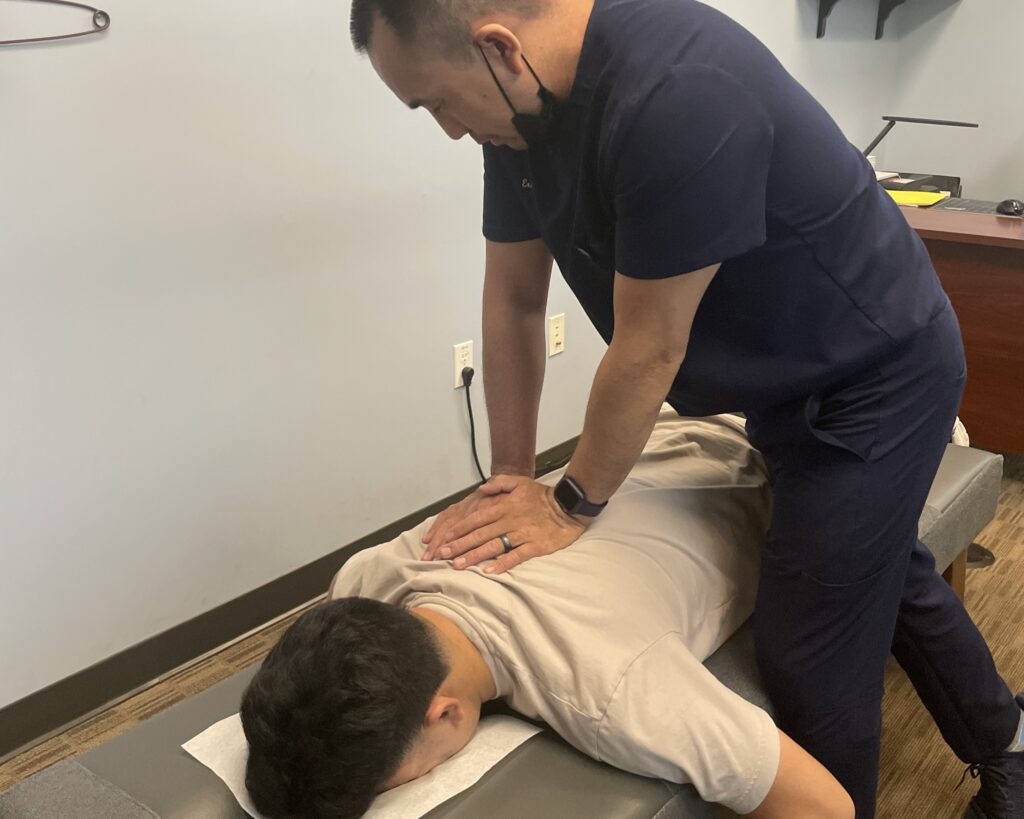
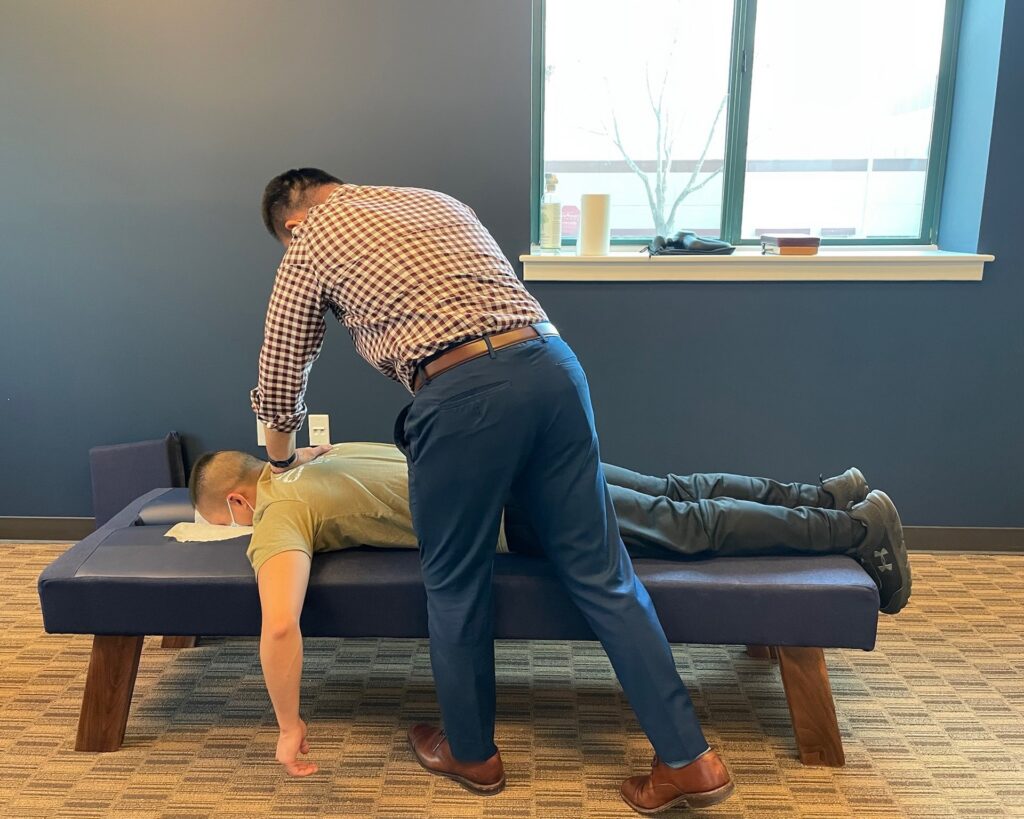
Chiropractic care focuses on the alignment of your spine and body, which can significantly enhance your overall well-being. By addressing misalignments, or subluxations, we can help restore proper function to your nervous system, leading to reduced stiffness and improved mobility. Regular chiropractic adjustments can not only relieve discomfort but also prevent future stiffness by promoting better posture and movement patterns.
In addition to chiropractic adjustments, there are several lifestyle changes you can implement to further support your journey to a pain-free life. Here are some practical tips:
- Stay Active: Engage in gentle exercises such as walking, stretching, or yoga. Movement helps to keep your joints flexible and muscles strong, reducing stiffness over time.
- Practice Good Posture: Being mindful of your posture, whether sitting, standing, or lifting, can prevent unnecessary strain on your body. Consider ergonomic furniture or tools if you spend long hours at a desk.
- Hydrate: Drinking plenty of water is essential for maintaining joint lubrication and overall health. Aim to drink enough water throughout the day.
- Warm Up and Cool Down: Before and after any physical activity, take time to warm up and cool down your muscles. This can prevent stiffness and enhance recovery.
- Incorporate Stretching: Daily stretching can improve flexibility and alleviate tension in your muscles. Focus on areas that feel tight or stiff.
By prioritizing chiropractic care and integrating these lifestyle changes, you can effectively manage stiffness discomfort and enhance your overall quality of life. Remember, your spine is the foundation of your health, and taking care of it is a vital step towards achieving natural wellness. If you’re ready to explore how chiropractic care can transform your experience, let’s work together to find the best solutions for you!
Understanding Stiffness Discomfort
When you experience stiffness discomfort, it can feel like your joints and muscles are locked in place, making everyday movements difficult. This sensation often arises from overuse, injury, or even prolonged periods of inactivity. You might notice it most in areas like your back, neck, or knees, where tension builds up over time.
Understanding this discomfort is essential. It signals that your body needs some TLC—whether that means gentle movement, rest, or even a shift in your daily routine. Stiffness can also be a sign of inflammation or muscle fatigue, indicating that certain parts of your body might be working harder than they should.
One of the best ways to address stiffness is through chiropractic care. A chiropractor can help realign your spine and joints, promoting better movement and relieving tension. Regular chiropractic adjustments can’t only alleviate stiffness but also improve your overall mobility and well-being.
To help manage stiffness in your daily life, here are some simple tips:
- Stay Active: Gentle stretches and low-impact exercises can keep your muscles flexible and reduce stiffness.
- Mind Your Posture: Maintaining good posture, especially when sitting for long periods, can help prevent tension build-up.
- Stay Hydrated: Drinking enough water supports muscle function and helps keep your joints lubricated.
- Listen to Your Body: Pay attention to the activities that trigger stiffness and modify them as needed to avoid exacerbating the issue.
By recognizing the triggers of your stiffness and incorporating these tips into your daily routine, you can effectively manage discomfort and enhance your quality of life.
The Importance of Regular Stretching
Regular stretching is essential for improving your flexibility and mobility, which can make daily activities feel more effortless. As a chiropractor, I can tell you that incorporating stretching into your routine not only enhances your physical performance but also plays a vital role in reducing muscle tension. This reduction in tension can help ease discomfort and promote overall wellness.
Stretching helps keep your muscles and joints healthy, which is crucial for maintaining a properly aligned spine. When your spine is aligned, it supports your nervous system, allowing your body to heal naturally and function at its best.
Here are some simple tips to incorporate stretching into your routine:
- Start Small: Aim for a few minutes of stretching each day. Even short sessions can make a big difference in your flexibility and comfort levels.
- Focus on Major Muscle Groups: Pay attention to areas that are often tight, such as your neck, shoulders, back, and hips. Gentle stretches for these areas can relieve tension and improve your range of motion.
- Listen to Your Body: Stretching should never be painful. If you feel discomfort, ease off and find a position that feels good for you.
- Make it a Habit: Try to stretch at the same time each day, perhaps after you wake up or before bed, to make it a regular part of your routine.
- Combine with Chiropractic Care: Regular visits to your chiropractor can enhance the benefits of your stretching routine. We can help ensure that your spine is aligned and functioning optimally, which supports your overall health and wellness.
By integrating stretching and chiropractic care into your lifestyle, you can experience significant improvements in how your body feels and moves.
Enhances Flexibility and Mobility
Stretching is a vital practice that enhances your flexibility and mobility, allowing your muscles and joints to move more freely. As a chiropractor, I want to highlight how regular stretching can improve your range of motion, making daily activities easier and more enjoyable.
When you stretch consistently, you help maintain the elasticity of your muscles, which can prevent stiffness and promote better overall function. This is especially important as we age, since our bodies naturally lose some flexibility over time.
Incorporating a variety of stretches into your routine can target different muscle groups, ensuring a balanced approach to your health. By dedicating just a few minutes each day to stretching, not only will you feel more limber, but you’ll also empower yourself to stay active in the activities you love.
Here are some simple tips to get you started on your stretching journey:
- Start slow: If you’re new to stretching, take your time. Gradually increase the intensity and duration of your stretches as your body gets used to the movements.
- Focus on key areas: Pay attention to your neck, shoulders, back, hips, and legs. These areas often hold tension and benefit greatly from regular stretching.
- Consistency is key: Aim to stretch daily or at least a few times a week. Making it a habit will help you maintain your flexibility over time.
- Listen to your body: Stretching should never be painful. If you feel discomfort, ease off and try a gentler stretch.
- Consider chiropractic care: Regular chiropractic adjustments can complement your stretching routine by ensuring that your spine is aligned and your nervous system is functioning optimally, which can enhance your overall mobility and pain relief.
By integrating these stretching tips into your daily routine and considering chiropractic care, you can take significant steps toward achieving optimal health and wellness.
Reduces Muscle Tension Effectively
Incorporating stretching into your routine is a fantastic way to enhance flexibility and significantly reduce muscle tension. As a chiropractor, I often emphasize the importance of stretching not just for physical health but for overall well-being.
Regular stretching helps your muscles relax, alleviating discomfort and promoting a healthier lifestyle. Here are three key benefits of stretching that can complement your chiropractic care:
- Increased Blood Flow: Stretching enhances circulation, which means your muscles receive essential nutrients and oxygen. This improved blood flow aids in muscle recovery and can help reduce stiffness, making it easier for your body to function at its best.
- Stress Relief: Taking a few moments to stretch can be incredibly calming for both your body and mind. It helps release built-up tension, allowing you to feel more centered and relaxed. This is especially beneficial if you’re dealing with the stress of daily life or recovery from an injury.
- Improved Posture: Regular stretching can help correct muscle imbalances that lead to poor posture. Good posture not only looks better but also decreases strain on your spine and surrounding muscles, which can prevent pain and discomfort.
Remember, stretching is a simple yet effective tool that can enhance the benefits of chiropractic care. Make it a part of your daily routine to help maintain your health and well-being.
Always listen to your body and consult with your chiropractor for personalized stretching recommendations that fit your specific needs. Together, we can work towards achieving optimal health naturally!
Targeted Exercises for Relief
While stiffness can be a frustrating barrier to movement, targeted exercises can provide much-needed relief, especially when combined with chiropractic care. As a chiropractor, I believe that understanding your body and incorporating specific stretches and strengthening routines into your daily life can significantly ease discomfort and enhance your overall flexibility.
Start your journey to relief with gentle movements like neck rolls and shoulder shrugs to help loosen up tight areas in your neck and shoulders. Gradually introduce stretches for major muscle groups, such as hamstring and quadriceps stretches, which can enhance your range of motion. Incorporating strengthening exercises, like wall sits and arm raises, can also bolster your muscle support, helping to reduce stiffness over time.
It’s essential to listen to your body during these exercises; if something feels too intense, don’t hesitate to ease off and adjust as needed. Rather than pushing through long, exhaustive workouts, aim for short, consistent sessions throughout the week. This approach not only helps prevent injury but also complements the adjustments and care you receive in a chiropractic setting.
As you practice these targeted exercises regularly, you’ll likely notice increased mobility and reduced stiffness, making it easier to engage in your daily activities. Remember, consistency is key for achieving lasting relief, and chiropractic care can further enhance your healing process by addressing any underlying spinal misalignments.
Incorporating these simple exercises into your routine, along with regular chiropractic visits, can help you achieve optimal health and wellness naturally. Embrace these practices, and enjoy the benefits of a more flexible, pain-free life!
Lifestyle Changes to Consider
Making some lifestyle changes can greatly reduce stiffness and discomfort, and chiropractic care is a fantastic way to support your journey toward optimal health. By incorporating regular physical activity, balanced nutritional choices, and effective stress management techniques into your routine, you can enhance your flexibility and overall comfort.
Let’s explore how these adjustments, along with the benefits of chiropractic care, can make a significant difference in your daily life.
Regular physical activity is crucial for maintaining a healthy spine and reducing stiffness. Simple exercises, like walking, stretching, or yoga, can improve your mobility and help you feel more at ease.
Chiropractic adjustments can complement your exercise routine by ensuring your spine is aligned, which can enhance your overall performance and reduce the risk of injury.
Eating a balanced diet is another essential aspect of wellness. Nutrient-rich foods can support your body’s healing processes and provide the energy you need for physical activity.
Chiropractic care can also guide you on how nutrition impacts your spinal health, helping you make informed choices for a healthier lifestyle.
Stress management is key to reducing tension in your body. Techniques such as deep breathing, meditation, or gentle stretching can help alleviate stress and promote relaxation.
Regular chiropractic adjustments can further support your stress relief efforts by improving your body’s function and helping you manage physical tension more effectively.
Remember, making these lifestyle changes not only promotes a healthier you but also works hand-in-hand with chiropractic care to ensure your spine and nervous system are functioning at their best.
Regular Physical Activity
To alleviate stiffness and discomfort, regular physical activity is crucial, as it helps maintain joint flexibility and strengthens your muscles. Incorporating movement into your daily routine can significantly enhance your overall well-being and pave the way for a healthier life.
As a chiropractor, I believe that movement is a natural way to support your spine and body without relying on medications or surgeries. Here are three effective ways to get started:
- Walking: Aim for at least 30 minutes a day. Walking not only promotes circulation but also gently warms up your muscles and joints. Plus, it’s a great way to connect with nature and clear your mind!
- Stretching: Dedicate a few minutes each day to gentle stretching. This practice can greatly enhance your flexibility and reduce muscle tightness. Focus on areas that feel tense, and remember, stretching should never be painful—just a nice, gentle release.
- Strength Training: Incorporate light resistance exercises two to three times a week. Building muscle strength is essential for supporting your joints and improving stability. Simple exercises like bodyweight squats, push-ups, or even using resistance bands can be highly effective.
Remember, chiropractic care is here to support your journey toward natural wellness. Regular adjustments can enhance your movement, reduce discomfort, and help your body function at its best.
Stay active, listen to your body, and prioritize your spinal health for a healthier, more vibrant life!
Balanced Nutritional Choices
Eating a balanced diet can significantly enhance your body’s ability to combat stiffness and discomfort, making it a great addition to your wellness routine alongside chiropractic care. By incorporating a variety of fruits, vegetables, whole grains, lean proteins, and healthy fats, you can support your overall health and spinal wellness.
Specifically, omega-3 fatty acids found in fish and flaxseeds can help reduce inflammation, which is crucial for maintaining healthy joints and a flexible spine. Colorful fruits and veggies are packed with antioxidants that support joint health, while staying well-hydrated is essential for keeping your joints lubricated and functioning smoothly.
Drinking plenty of water throughout the day can work wonders for your mobility. As you work towards better health, consider cutting back on processed foods and added sugars, which can increase inflammation and lead to discomfort.
By making mindful food choices, you can’t only nourish your body but also potentially reduce stiffness, leading to improved mobility and comfort in your daily activities.
Remember, chiropractic care plays a vital role in achieving optimal health. Regular adjustments can help align your spine, enhance nerve function, and improve overall well-being.
Pair your nutritional choices with chiropractic visits to maximize your pain relief and natural healing journey. Every small change you make, whether in your diet or through chiropractic care, adds up to a healthier, more comfortable you!
Stress Management Techniques
How can you effectively manage stress to alleviate stiffness and discomfort? Incorporating stress management techniques into your daily routine can significantly enhance your well-being and support your spinal health. Here are three lifestyle changes to consider that align perfectly with chiropractic care principles:
- Mindfulness and Meditation: Just a few minutes of mindfulness or meditation each day can help lower your stress levels, which is essential for maintaining a healthy spine. These practices allow you to connect with your body, helping you recognize tension and discomfort, leading to better overall well-being.
- Regular Exercise: Engaging in physical activity is crucial for releasing endorphins, the body’s natural feel-good hormones. Regular exercise not only reduces stress and tension but also promotes flexibility and strength in your muscles, which supports spinal health. Aim for at least 30 minutes of moderate exercise most days, whether it’s walking, yoga, or another form of low-impact activity.
- Healthy Sleep Habits: Prioritize getting quality sleep each night. A well-rested mind and body can handle stress more effectively, which is vital for reducing stiffness in your back and neck. Creating a calming bedtime routine and maintaining a comfortable sleep environment can greatly enhance your sleep quality.
By incorporating these techniques, you can effectively manage stress and alleviate discomfort, supporting your journey toward optimal health.
The Role of Nutrition
While many factors contribute to stiffness discomfort, nutrition plays a vital role in managing and alleviating your symptoms. Eating a balanced diet filled with anti-inflammatory foods can significantly impact how you feel. Aim to incorporate plenty of fruits, vegetables, whole grains, and lean proteins into your meals. Foods like berries, leafy greens, and fatty fish are known for their anti-inflammatory properties and can help reduce stiffness, making you feel more comfortable in your daily activities.
Hydration is just as important. Drinking enough water keeps your joints lubricated, which is essential for maintaining mobility and preventing discomfort associated with dehydration. It’s also wise to limit processed foods and sugars, as these can trigger inflammation and worsen your symptoms.
Certain nutrients, such as omega-3 fatty acids and antioxidants, are particularly beneficial for joint health. You can find these in foods like nuts, seeds, and spices like turmeric, which can easily be added to your meals for an extra health boost.
By prioritizing your nutrition, you’re not just nourishing your body; you’re actively working to alleviate stiffness discomfort and improve your overall well-being.
Remember, chiropractic care complements these healthy lifestyle choices, helping to ensure your spine and joints function optimally. Regular chiropractic adjustments can enhance your body’s natural healing abilities, further supporting your journey towards a healthier, pain-free life.
Alternative Therapies to Explore
If you’re looking for effective ways to alleviate stiffness and discomfort, considering alternative therapies can be beneficial. However, I want to emphasize that chiropractic care is often the best choice for achieving optimal health and pain relief. Our approach focuses on natural healing and spinal health, ensuring you can enjoy a better quality of life.
Here are three therapies to consider, with chiropractic care as your primary option:
- Chiropractic Care: As a chiropractor, I can tell you that adjustments are a powerful way to realign your spine and joints, reducing pressure and enhancing mobility. Regular chiropractic visits not only alleviate stiffness but also improve your overall function and well-being. It’s a natural, non-invasive way to support your body’s healing processes.
- Acupuncture: While I recommend chiropractic care as your primary method, acupuncture can be a complementary approach. This ancient practice uses thin needles to stimulate specific points on the body, promoting energy flow and potentially easing pain. Some patients find it helpful alongside their chiropractic treatments.
- Massage Therapy: Therapeutic massage can also be a wonderful addition to your wellness routine. It helps to relax tight muscles and improve circulation, which can contribute to overall relaxation and relief from tension. When used in conjunction with chiropractic care, it can enhance the benefits of your treatments.
Incorporating these therapies into your wellness routine can provide added benefits, but always prioritize chiropractic care for a holistic approach to health.
Holistic Practices for Improved Mobility
To boost your mobility and enhance your overall well-being, integrating holistic practices into your daily routine can be incredibly beneficial. One of the best ways to achieve this is through chiropractic care, which focuses on spinal health and alignment to promote natural healing and optimal function.
Start by incorporating gentle stretching exercises into your day. These stretches can help loosen tight muscles and improve flexibility, making you feel more agile. Additionally, practices like yoga or tai chi not only encourage physical movement but also foster mindfulness, which can reduce stress and alleviate stiffness.
Massage therapy can be a valuable complement to chiropractic adjustments. It helps relieve muscle tension and enhances blood flow, leading to greater comfort and mobility. Pairing this with regular deep breathing techniques can also help you connect more deeply with your body, releasing any built-up tension you may be holding.
Remember that staying hydrated and maintaining a balanced diet rich in anti-inflammatory foods are crucial for joint health. These practices support your body’s natural healing processes and can significantly reduce discomfort.
Lastly, don’t underestimate the power of fresh air and sunlight. Spending time outdoors can uplift your mood and contribute positively to your overall wellness.
Conclusion
Incorporating trustworthy approaches can significantly help in managing stiffness discomfort, especially when you prioritize chiropractic care. Regular adjustments from a chiropractor can realign your spine, enhancing your mobility and reducing stiffness. Along with chiropractic treatments, integrating regular stretching and targeted exercises can further support your journey to improved flexibility.
Lifestyle changes, such as maintaining proper posture and staying active, can also play a crucial role in alleviating discomfort. Remember, good nutrition is essential too; fueling your body with the right nutrients supports overall health and aids in recovery. Alternative therapies, like massage or acupuncture, may complement chiropractic care and contribute to your well-being.
It’s important to find what works best for you and to stay committed to your routine. By embracing these strategies, including consistent chiropractic care, you’ll be on your way to feeling more flexible and comfortable in your daily activities. Keep moving forward towards a healthier, more active life!