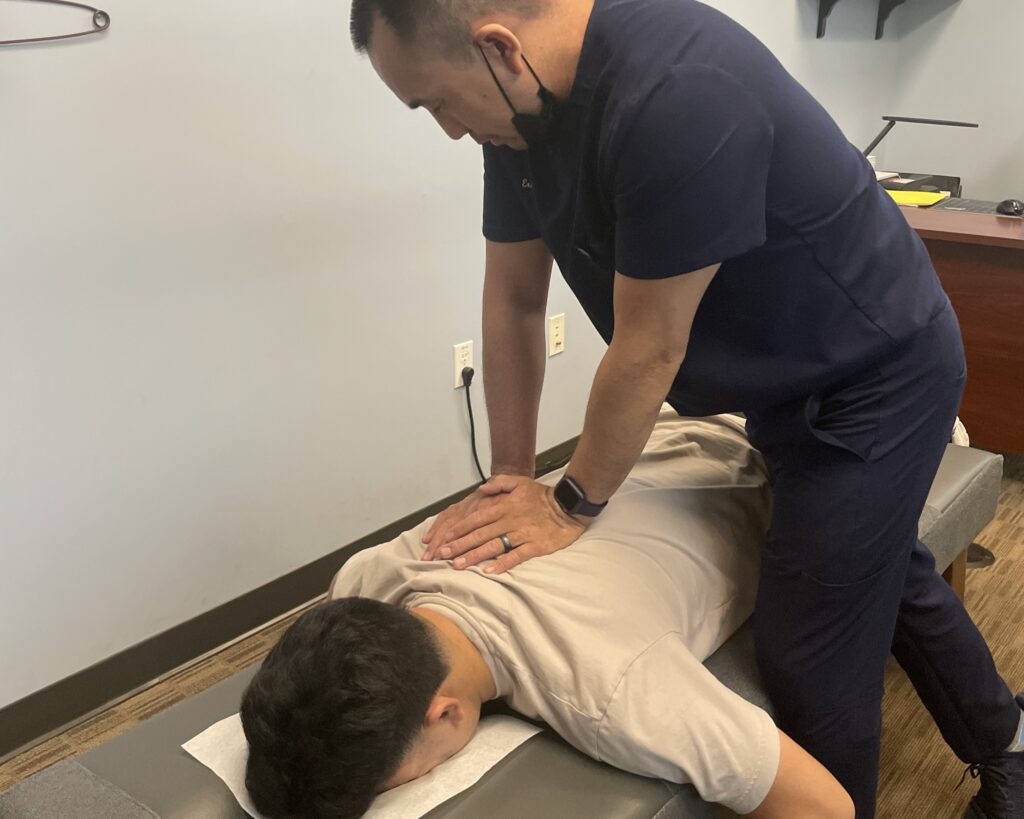
If you’re frequently bothered by headaches, it’s essential to explore natural solutions that can bring you relief. As a chiropractor, I believe that taking a holistic approach to health can significantly impact your well-being. One of the best ways to manage headaches is through chiropractic care, which focuses on aligning the spine and optimizing nervous system function. This can help reduce tension and alleviate pain.
In addition to chiropractic adjustments, there are several natural remedies and lifestyle changes you can implement to help ease your discomfort and prevent future headaches. For instance, using peppermint oil can provide a soothing effect when applied to your temples. Mindfulness practices, such as deep breathing or meditation, can also help reduce stress, which is a common trigger for headaches.
It’s important to maintain good posture throughout your day, especially if you work at a desk. Simple adjustments like keeping your computer screen at eye level and taking regular breaks to stretch can prevent tension from building up in your neck and shoulders.
Staying hydrated is another crucial factor. Dehydration can lead to headaches, so make sure you’re drinking plenty of water throughout the day. Additionally, consider incorporating regular physical activity into your routine, as exercise can help release tension and improve overall health.
By focusing on these natural strategies and prioritizing chiropractic care, you can effectively manage your headaches and work towards achieving optimal health. Remember, it’s always best to consult with your chiropractor to find the most suitable approach for your individual needs.
Key Takeaways
- Applying peppermint oil to your temples can enhance circulation and provide relief from tension headaches, complementing the benefits of chiropractic adjustments that help align your spine and reduce muscle tension.
- Drinking ginger tea is a great way to naturally reduce inflammation and alleviate migraine symptoms, supporting your overall wellness journey alongside regular chiropractic care.
- Chamomile tea is not only soothing but also promotes relaxation, making it a perfect addition to your routine for managing stress-related headaches. Remember, chiropractic care can also help address the underlying issues contributing to stress and tension.
- Staying hydrated is essential for headache prevention. Aim to drink at least eight glasses of water daily to support your body’s natural healing processes. Proper hydration can enhance the effectiveness of your chiropractic treatments by keeping your spine and muscles functioning optimally.
- Incorporating relaxation techniques such as deep breathing and mindfulness meditation can significantly reduce the frequency and intensity of headaches. Pairing these practices with chiropractic care can lead to a more holistic approach to your health, improving your overall well-being and reducing pain naturally.
Remember, your spine plays a crucial role in your overall health, and regular chiropractic adjustments can help keep it aligned, promoting better circulation, reducing stress, and ultimately leading to fewer headaches.
Herbal Remedies for Headache Relief
If you’re looking for a natural way to ease your headache, consider the holistic approach of chiropractic care. Many individuals find that regular chiropractic adjustments can help alleviate tension in the neck and shoulders, which often contributes to headache pain. By addressing spinal alignment and improving overall body function, you may experience significant relief from headaches.
In addition to chiropractic adjustments, incorporating herbal remedies into your routine can support your wellness journey. Herbs like peppermint and ginger can be beneficial. For instance, applying peppermint oil to your temples can stimulate circulation and provide a soothing, cooling sensation that many find helpful for tension headaches. Ginger tea is also a great option, known for its anti-inflammatory properties that can assist in reducing migraine symptoms.
Chamomile is another herb worth considering. Not only does it promote relaxation, but it may also be effective for headaches linked to stress. Feverfew is another herb that has shown promise in studies for potentially decreasing the frequency and severity of migraines.
While these herbal remedies can provide additional support, remember that the foundation of headache relief often starts with a healthy spine. Regular chiropractic care can help maintain proper alignment, reduce muscle tension, and promote overall well-being, which can lead to fewer headaches.
As always, it’s wise to consult with a healthcare provider before starting any new treatment, especially if you’re currently under care for other conditions.
Dietary Adjustments to Prevent Headaches
Diet plays a significant role in preventing headaches, and making a few simple dietary adjustments can greatly improve your overall well-being. As a local chiropractor, I understand how important it’s to take a holistic approach to health. One of the easiest ways to start is by staying hydrated; dehydration can often trigger headaches. Aim to drink at least eight glasses of water daily to keep your body functioning optimally.
Another key area to consider is your caffeine intake. While some people find that moderate caffeine consumption can help relieve headaches, too much can lead to withdrawal headaches if you suddenly cut back. It’s all about finding the right balance for your body.
Incorporating magnesium-rich foods into your diet, such as spinach, almonds, and avocados, may also help reduce the frequency of headaches. Magnesium is known to support muscle function and nerve health, which can contribute to overall wellness.
Additionally, maintaining regular meal times is essential; skipping meals can cause your blood sugar levels to drop, leading to headaches. Consistency is key!
Keeping a food diary can also be beneficial. By tracking what you eat, you can identify specific triggers that might lead to headaches, such as aged cheeses or processed meats. This awareness allows you to make informed choices that support your health journey.
Remember, small changes in your diet can lead to significant relief from headaches and promote a healthier lifestyle overall.
And don’t forget, chiropractic care plays a vital role in achieving optimal health and wellness. Regular adjustments can help align your spine, reduce tension, and enhance your body’s natural healing abilities.
Mindfulness and Relaxation Techniques
As a local chiropractor, I want to share some valuable insights on how mindfulness and relaxation techniques can play a supportive role in managing headaches, alongside the benefits of chiropractic care.
While these techniques can be incredibly effective, I want to emphasize that regular chiropractic adjustments can address the underlying spinal issues that often contribute to headache pain.
Incorporating deep breathing exercises into your daily routine can be a great way to calm your nervous system and relieve tension.
When you take slow, deep breaths, you not only promote relaxation but also create a conducive environment for your body to heal. Pairing this with chiropractic care can enhance your overall well-being.
Meditation is another excellent tool. Just a few minutes of mindfulness meditation can help center your thoughts and alleviate the anxiety that often accompanies headaches.
Remember, when your spine is aligned and functioning optimally, your body can better manage stress and tension.
Progressive muscle relaxation is also a powerful technique. By tensing and then relaxing each muscle group, you can effectively release built-up tension.
This practice works well in conjunction with chiropractic adjustments, as a well-aligned spine can help your muscles relax more efficiently.
Lastly, consider using guided imagery. By visualizing a peaceful scene, you allow your mind to escape from pain.
This mental exercise can be particularly beneficial when complemented by chiropractic care, which addresses the physical aspects of pain.
By integrating these mindfulness techniques into your life and prioritizing regular chiropractic visits, you can create a healthier, more peaceful mindset that supports headache relief and overall wellness.
The Role of Hydration in Headache Management
Staying well-hydrated is crucial for managing headaches naturally and effectively. When your body is dehydrated, it can lead to headaches or make existing ones feel worse. That’s why it’s essential to drink enough water throughout the day. A good goal is to aim for at least eight 8-ounce glasses of water, but if you’re active or spending time in a hot environment, you may need even more.
Keep an eye out for signs of dehydration, such as dry mouth, fatigue, and dizziness. These symptoms can contribute to the onset of headaches. If you start to notice any of these signs, consider increasing your fluid intake to help alleviate discomfort.
In addition to plain water, you can enhance your hydration with options like herbal teas, and incorporating water-rich fruits and vegetables into your diet. However, be mindful that caffeine and alcohol can lead to dehydration, so it’s best to enjoy these in moderation.
Prioritizing hydration isn’t just about supporting your overall health; it’s also a vital step toward preventing and alleviating headaches.
Remember, chiropractic care plays a significant role in your overall wellness, helping to align your spine and improve your body’s natural healing processes. By staying hydrated and seeking chiropractic adjustments, you’re setting yourself up for optimal health and pain relief.
Make hydration a part of your daily routine, and consider scheduling a visit to your chiropractor to discuss how they can support your journey toward natural wellness.
Lifestyle Changes for Long-Term Relief
Making simple lifestyle changes can significantly improve your chances of achieving long-term headache relief, and chiropractic care can play a vital role in this journey. One of the foundational steps is establishing a consistent sleep schedule. Quality sleep is crucial for your overall health and can greatly reduce the frequency of headaches.
Incorporating regular exercise into your routine is another important aspect. Not only does it help manage stress and tension—common headache triggers—but it also supports spinal health, which is essential for overall wellness. Remember, a well-aligned spine can contribute to better neurological function and reduce headache occurrences.
Nutrition plays a significant role too. Focus on balanced meals filled with whole foods, and try to steer clear of processed items that may exacerbate headaches. Staying hydrated is also key, as dehydration can lead to headaches.
In addition to these lifestyle changes, consider integrating relaxation techniques such as yoga or meditation into your daily routine. These practices not only help alleviate stress but also support your spinal health and overall well-being.
Be mindful of specific headache triggers—whether they be certain foods or environmental factors—and keeping a headache diary can be an effective way to identify and avoid them.
Lastly, if you’re spending extended hours on your computer or digital devices, make sure to limit screen time and take regular breaks. This not only helps reduce eye strain but also promotes better posture, which is vital for spinal health.
Conclusion
Incorporating natural solutions for headache relief can significantly enhance your overall well-being, and as a local chiropractor, I want to emphasize the importance of chiropractic care in this journey. By focusing on spinal health and alignment, we can address the root causes of headaches rather than just masking the symptoms.
Consider integrating herbal remedies, such as ginger or peppermint, into your routine. Adjusting your diet to include anti-inflammatory foods can also be beneficial. Practicing mindfulness techniques, like deep breathing or meditation, can help reduce stress, which is often a trigger for headaches. Staying hydrated is crucial, as dehydration is a common culprit for headache pain.
However, the most effective way to manage and prevent headaches is through regular chiropractic adjustments. These adjustments help align your spine, relieving tension and pressure that can contribute to headache pain. By prioritizing your spinal health, you’re not only taking proactive steps to prevent headaches but also promoting overall wellness.
Remember, finding what works best for you may take time and consistency. With a focus on chiropractic care and these natural strategies, you can achieve a healthier, headache-free life!