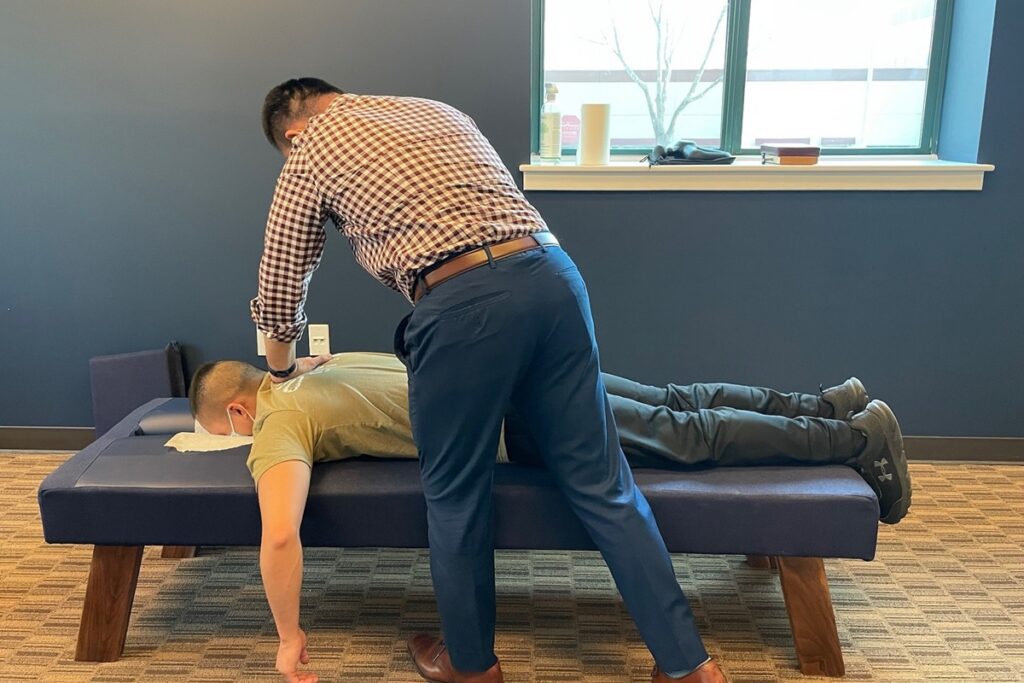
Tension headaches can be a frustrating experience, often stemming from stress, poor posture, or dehydration. As a chiropractor, I want to emphasize that simple lifestyle changes, along with chiropractic care, can significantly alleviate these headaches and enhance your overall well-being. By incorporating small adjustments into your daily routine and seeking spinal care, relief can be within reach.
So, what specific strategies can you use to effectively combat tension headaches? Here are some practical solutions that may help:
- Maintain Good Posture: Poor posture can lead to muscle tension in your neck and shoulders, contributing to headaches. Focus on sitting up straight, especially if you spend long hours at a desk. Consider a chiropractic evaluation to ensure your spine is properly aligned, which can help relieve tension.
- Stay Hydrated: Dehydration can exacerbate headache symptoms. Make it a habit to drink plenty of water throughout the day. Your body needs hydration to function optimally, and it can help prevent tension buildup.
- Practice Relaxation Techniques: Stress is a significant trigger for tension headaches. Incorporating relaxation techniques such as deep breathing, meditation, or yoga can help reduce stress levels. Regular chiropractic adjustments can also promote relaxation by easing tension in the muscles and spine.
- Regular Chiropractic Care: Visiting a chiropractor can be one of the best choices for managing tension headaches. Chiropractic adjustments can help correct spinal misalignments, alleviate muscle tension, and improve blood flow, all of which contribute to headache relief.
- Take Breaks and Stretch: If you find yourself sitting for long periods, make sure to take short breaks to stretch and move around. Gentle neck and shoulder stretches can help release built-up tension.
- Create a Comfortable Sleep Environment: Ensure your sleep environment supports a good night’s rest. A proper mattress and pillow can make a big difference in spinal alignment and can help prevent headaches that occur after waking.
- Limit Caffeine and Alcohol: While a small amount of caffeine can be beneficial for some, too much can lead to dehydration. Similarly, alcohol can contribute to tension headaches. Moderation is key.
Incorporating these strategies into your daily routine, along with regular chiropractic care, can greatly enhance your chances of finding relief from tension headaches. Remember, your spine plays a crucial role in your overall health, and maintaining its alignment can lead to a healthier, headache-free life. If you’re struggling with tension headaches, consider reaching out for a chiropractic consultation to explore personalized solutions for your well-being.
Key Takeaways
- Stay hydrated by drinking at least eight glasses of water daily. Proper hydration supports overall health and can help prevent dehydration-related tension headaches, keeping your body functioning optimally.
- Engage in regular physical activity, which not only improves circulation but also reduces stress levels. This is essential for maintaining a healthy spine and promoting overall wellness.
- Pay attention to your posture, especially when sitting for long periods. Good posture helps alleviate muscle tension in the neck and shoulders, which can significantly reduce the frequency and intensity of tension headaches. Consider regular chiropractic adjustments to support your spine’s alignment.
- Incorporate relaxation techniques like deep breathing and guided imagery into your daily routine. These practices can help reduce anxiety and muscle tightness, contributing to a more relaxed state and better spinal health.
- Remember to perform simple neck stretches and shoulder rolls throughout the day. These movements help relieve muscle tension and improve spinal health. Regular chiropractic care can also enhance your flexibility and range of motion, making these stretches even more effective.
By integrating these natural, holistic practices into your daily routine, and prioritizing chiropractic care, you can effectively manage tension headaches and support your overall health and wellness.
Understanding Tension Headaches: Causes and Symptoms
Understanding Tension Headaches: Causes and Symptoms
Tension headaches may seem like a minor inconvenience, but gaining insight into their causes and symptoms can empower you to manage them effectively. Often, tension headaches arise from muscle tension in your neck and shoulders, emotional stress, or poor posture. You might experience a dull, aching sensation that typically affects both sides of your head.
Tenderness around your scalp, neck, and shoulders can make it challenging to concentrate. Symptoms can worsen with fatigue or dehydration, so it’s vital to listen to your body and respond accordingly.
Recognizing these triggers gives you the opportunity to take proactive steps. By identifying the factors that spark your tension headaches, you can make healthier choices in your daily life. Keeping a headache diary can be particularly beneficial, as it allows you to track patterns and understand what may be contributing to your discomfort.
Chiropractic care is an excellent option for relieving tension headaches and promoting overall wellness. Regular chiropractic adjustments can help alleviate muscle tension and improve your spinal alignment, which may reduce the frequency and intensity of headaches.
Additionally, practicing good posture and incorporating relaxation techniques, such as deep breathing or gentle stretching, can help ease tension.
Lifestyle Changes for Headache Prevention
Making simple lifestyle changes can greatly benefit your overall well-being and help reduce the frequency and intensity of tension headaches. As a chiropractor, I want to share tips that not only focus on headache prevention but also promote optimal spinal health and natural healing.
First, staying hydrated is key. Dehydration can lead to headaches, so aim for at least eight glasses of water daily to keep your body functioning well. Proper hydration supports spinal health by maintaining the flexibility of spinal discs.
Next, maintaining a consistent sleep schedule is crucial for your health. Quality sleep allows your body to recover and can help alleviate headache symptoms. Make it a priority to get enough rest each night, as adequate sleep also supports spinal alignment and overall wellness.
Pay attention to your posture, particularly if you spend long hours sitting. Poor posture can lead to tension in your neck and shoulders, contributing to headaches. Consider using ergonomic furniture and take regular breaks to stretch. These small adjustments can relieve tension and promote better spinal alignment.
Incorporating physical activity into your routine can also make a significant difference. Engaging in regular exercise, even short walks, can improve blood circulation, reduce stress, and support your spinal health. Remember, a healthy spine contributes to a healthier you!
Lastly, be mindful of your diet. Some foods and beverages, like caffeine or processed items, can trigger headaches. It might be helpful to keep a food diary to identify and avoid these triggers. Emphasizing whole foods, fruits, and vegetables can enhance your overall health and well-being.
By making these straightforward adjustments, you can’t only help prevent tension headaches but also support your spinal health and achieve a more balanced, healthier lifestyle.
Relaxation Techniques to Alleviate Stress
To effectively manage tension headaches, incorporating relaxation techniques that alleviate stress is essential. These methods not only help you unwind but also reduce muscle tension that contributes to headaches. As a chiropractor, I believe that natural healing approaches, including these relaxation techniques, can complement chiropractic care to achieve optimal wellness. Here’s a quick overview of some effective techniques that you can easily integrate into your daily routine:
| Technique | Description | Benefits |
|---|---|---|
| Deep Breathing | Focus on slow, deep breaths through your diaphragm | Reduces anxiety and muscle tension, helping you feel more relaxed |
| Progressive Relaxation | Systematically tense and then relax each muscle group | Increases body awareness and promotes a sense of calm |
| Guided Imagery | Visualize calming and peaceful scenes, such as a beach or forest | Enhances relaxation and helps the mind detach from stressors |
In addition to these techniques, regular chiropractic adjustments can help align your spine, relieve pressure on nerves, and promote overall well-being. By maintaining proper spinal health, you can further reduce the frequency and intensity of tension headaches. Remember to take breaks during your day, stay hydrated, and practice good posture to support your body. Together, these strategies can lead to a healthier, pain-free life.
Simple Exercises to Relieve Tension
Incorporating a few simple exercises into your daily routine can significantly relieve tension and help prevent headaches, all while supporting your spinal health.
As a chiropractor, I believe that maintaining a healthy spine is essential for overall wellness, and simple movements can make a big difference.
Start with neck stretches to release tightness in your neck muscles. Gently tilt your head to one side, holding for 15-20 seconds before switching to the other side. This not only eases tension but can also improve your range of motion.
Next, try shoulder rolls—lift your shoulders towards your ears, then roll them back and down. Repeat this 10 times. This exercise helps to relieve stiffness and encourages proper alignment, making it an excellent addition to your routine.
Another beneficial exercise is the chin tuck. Sit up straight, pull your chin in towards your neck, hold for 5 seconds, and then release. This simple movement strengthens your neck muscles and promotes better posture, which is crucial for spinal health.
Additionally, remember to take regular breaks throughout your day. Stand up, walk around, or do light stretches. Even a few minutes of movement can help alleviate muscle tension and keep your spine healthy.
By regularly practicing these exercises, you’ll not only reduce tension but also enhance your overall well-being.
Chiropractic care is a fantastic way to address any underlying issues and ensure your spine is functioning optimally.
Stay consistent with these practices, and you may find yourself feeling more relaxed and headache-free, all while supporting your natural healing journey.
When to Seek Professional Help
Understanding when to seek professional help for your tension headaches is crucial for achieving relief and improving your overall well-being. If you find that your headaches persist despite making natural adjustments, it’s time to consider consulting a healthcare professional—preferably a chiropractor. Chiropractors specialize in spinal health and can help identify any misalignments or stressors that may be contributing to your tension headaches.
Keep an eye on the frequency and intensity of your headaches. If they start to occur more often or feel more severe, it’s essential to reach out to a chiropractor. Additionally, be aware of any accompanying symptoms like blurred vision, nausea, or difficulty speaking, as these may indicate a need for further evaluation.
If your headaches are interfering with daily activities or diminishing your quality of life, a chiropractor can provide tailored strategies to help manage your pain effectively. They’ll work with you to address any underlying issues and guide you toward a healthier lifestyle.
Remember, discussing your symptoms, daily habits, and any natural relief methods you’ve already tried with a chiropractor can lead to personalized care. They can offer spinal adjustments, lifestyle tips, and exercises to help you regain balance and reduce tension.
Conclusion
Incorporating natural adjustments into your daily routine can significantly enhance your ability to manage tension headaches, and chiropractic care plays a vital role in this journey. By staying hydrated, maintaining good posture, and practicing relaxation techniques, you can help alleviate the frequency and intensity of your headaches.
Chiropractic adjustments focus on aligning your spine, which can relieve tension in your neck and shoulders—common culprits of headache pain. Regular visits to a chiropractor can help ensure that your spine is in optimal alignment, reducing the strain that can contribute to headaches.
Additionally, remember to listen to your body and take breaks when needed. Simple stretches and gentle movement throughout your day can also help reduce tension. If your headaches persist or worsen, seeking guidance from a chiropractor can provide you with personalized advice tailored to your unique situation.
Your well-being is paramount, and finding what works best for you is essential. Embracing chiropractic care as part of your wellness journey can lead to lasting relief and a healthier, happier life.