Tension headaches can be a frustrating and frequent source of discomfort for many individuals. If you’ve ever found yourself reaching for pain relievers, it’s time to consider a natural approach that focuses on holistic healing. By making a few simple lifestyle changes and incorporating chiropractic care into your routine, you can address the root causes of tension headaches and find lasting relief.
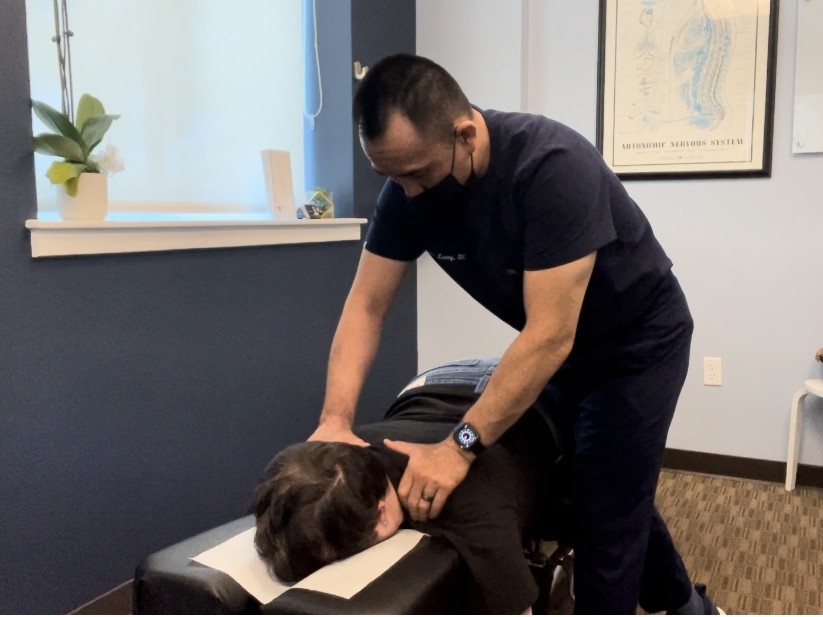
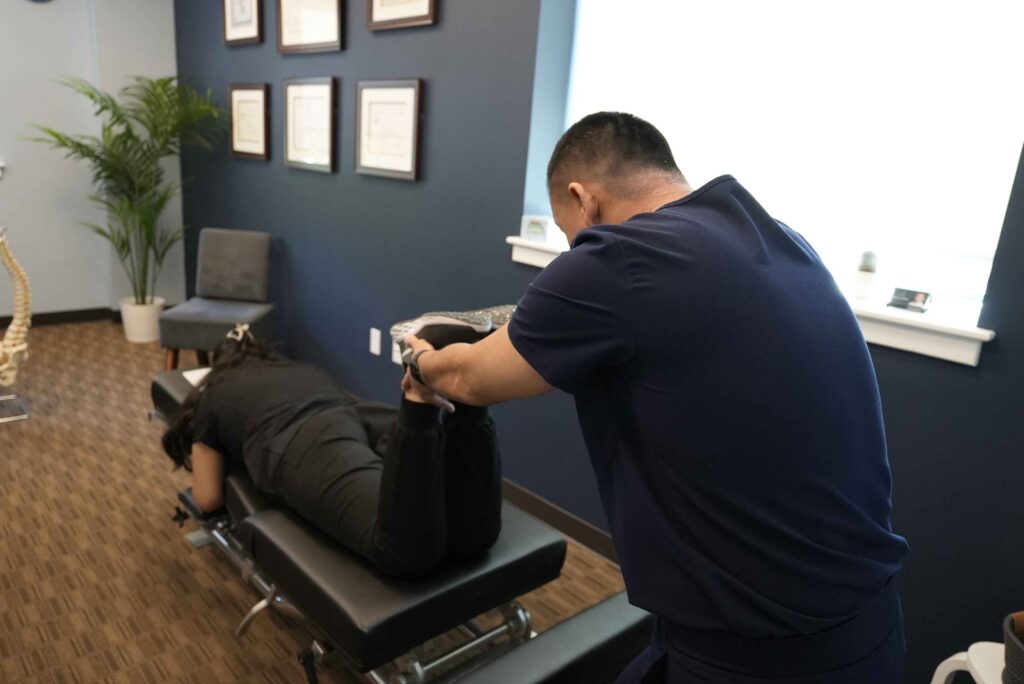
Chiropractic care is an excellent way to promote overall well-being and alleviate the stress that often contributes to tension headaches. When your spine is properly aligned, it can help reduce tension in your muscles and nerves, leading to a decrease in headache frequency and intensity. Regular visits to your chiropractor can help ensure that your spine remains in optimal condition, supporting your body’s natural ability to heal.
In addition to chiropractic adjustments, there are several effective strategies you can adopt to further reduce tension headaches:
- Stay Hydrated: Dehydration can lead to headaches, so be sure to drink plenty of water throughout the day.
- Practice Good Posture: Poor posture can strain your neck and shoulders, contributing to tension headaches. Be mindful of your posture while sitting, standing, and working, and consider ergonomic furniture to support your spine.
- Manage Stress: Incorporate relaxation techniques such as deep breathing, meditation, or yoga into your daily routine. These practices can help reduce stress and tension in your body.
- Get Regular Exercise: Physical activity can improve circulation and reduce muscle tension. Aim for at least 30 minutes of moderate exercise most days of the week.
- Prioritize Sleep: Ensure you’re getting enough restorative sleep each night. Establish a calming bedtime routine and create a comfortable sleep environment.
- Stretch and Strengthen: Gentle stretching and strengthening exercises can improve flexibility and reduce tension in your neck and shoulders. Your chiropractor can provide you with personalized exercises tailored to your needs.
By integrating these practices into your life and prioritizing chiropractic care, you can effectively say goodbye to tension headaches and embrace a healthier, pain-free lifestyle. Remember, taking a natural approach not only addresses the symptoms but also promotes overall health and wellness. Your journey to relief starts here!
Key Takeaways
Say Goodbye to Tension Headaches Naturally with Chiropractic Care
As a local chiropractor, I want to share some valuable tips on how you can naturally manage tension headaches and promote overall wellness through chiropractic care.
- Maintain Good Posture: One of the easiest ways to prevent tension headaches is by practicing good posture. This helps to reduce muscle strain and tension that can build up in your neck and shoulders. Make a conscious effort to sit and stand tall, keeping your shoulders back and your head aligned over your spine.
- Stay Hydrated: Drinking plenty of water and herbal teas throughout the day is essential for overall health and can help prevent headaches. Dehydration can lead to increased tension, so keep a water bottle handy to ensure you’re getting enough fluids.
- Incorporate Relaxation Techniques: Stress is a major contributor to tension headaches. Incorporating relaxation techniques such as deep breathing exercises and guided meditation can help you manage your stress levels effectively. These practices not only enhance your mental well-being but also support your spinal health.
- Regular Chiropractic Care: One of the best ways to alleviate tension and promote spinal health is through regular chiropractic adjustments. Chiropractic care addresses misalignments in the spine that can contribute to tension headaches, helping to reduce their frequency and intensity. By ensuring your spine is in proper alignment, you can enjoy improved overall health and well-being.
- Identify Trigger Foods: Keeping a food diary can be a helpful tool in identifying any foods that may trigger your headaches. Once you recognize these triggers, you can take steps to avoid them, reducing the likelihood of future headaches and supporting your health journey.
By following these tips and prioritizing chiropractic care, you can take proactive steps towards managing tension headaches naturally and achieving optimal health. Remember, a healthy spine is key to a healthy life!
Understanding Tension Headaches
Tension headaches, often described as a tight band around your head, are one of the most common types of headaches many people experience. These headaches usually arise from muscle contractions in the head, neck, and shoulders, often brought on by stress, poor posture, or fatigue. You might feel a dull, aching pain that can last anywhere from 30 minutes to several days.
Unlike migraines, tension headaches typically don’t come with nausea or sensitivity to light, making them a bit easier to manage.
It’s essential to understand that tension headaches can be episodic or chronic. Episodic tension headaches occur less than 15 days a month, while chronic ones can happen more frequently. Identifying your personal triggers is crucial in managing this type of headache. Keeping a headache diary can be an excellent tool to help you pinpoint factors contributing to your discomfort, allowing you to address them effectively.
As a chiropractor, I want you to know that chiropractic care can play a significant role in alleviating tension headaches. By focusing on spinal health and ensuring proper alignment, we can reduce muscle tension and improve overall function. Regular chiropractic adjustments can help relieve pressure in the neck and shoulders, which may contribute to headache relief.
In addition to chiropractic care, here are some general tips to help you manage tension headaches at home:
- Practice Good Posture: Pay attention to how you sit and stand throughout the day. Keeping your spine aligned can reduce strain on your muscles.
- Stay Hydrated: Dehydration can lead to headaches, so make sure you’re drinking enough water throughout the day.
- Take Breaks: If you work at a desk or spend a lot of time on screens, take regular breaks to stretch and move around. This can help alleviate muscle tension.
- Stress Management Techniques: Engage in relaxation techniques such as deep breathing, meditation, or yoga. These practices can help reduce stress and muscle tension.
- Regular Exercise: Incorporating physical activity into your routine can help reduce the frequency and severity of tension headaches.
By recognizing the signs and symptoms of tension headaches and employing these strategies, you can better manage and alleviate the pain when it arises.
Lifestyle Changes for Prevention
Managing tension headaches goes beyond just finding relief; it’s about making proactive lifestyle changes that can significantly enhance your overall well-being. As a chiropractor, I believe that chiropractic care plays a vital role in achieving optimal health, but there are also some simple adjustments you can implement in your daily life to help prevent headaches.
Here are a few key strategies to consider:
- Stay Hydrated: Drink plenty of water throughout the day. Dehydration is a common headache trigger, and staying hydrated supports your spinal health and overall bodily functions.
- Regular Exercise: Incorporate movement into your daily routine. Whether it’s a light walk, yoga, or any form of exercise, it helps improve blood flow and reduce muscle tension, which can alleviate headache symptoms.
Plus, regular physical activity supports a healthy spine.
- Balanced Diet: Focus on nourishing your body with a diet full of fruits, vegetables, whole grains, and lean proteins. A well-balanced diet helps maintain steady energy levels and can contribute to reduced headache frequency.
- Sleep Hygiene: Prioritize restful sleep by sticking to a consistent sleep schedule. A calming bedtime routine can help you wind down and improve sleep quality, which is essential for both your physical health and your spine.
In addition to these lifestyle changes, regular chiropractic adjustments can help keep your spine aligned, alleviate tension in your muscles, and improve your overall health.
Relaxation Techniques to Reduce Stress
When stress creeps in, it’s essential to find effective ways to relax and restore your well-being. As a local chiropractor, I believe that maintaining a healthy spine is key to achieving optimal health, and many relaxation techniques can support that goal. Simple methods like deep breathing exercises, guided meditation, and progressive muscle relaxation not only help you unwind but also promote better spinal health by reducing tension throughout your body.
Deep breathing exercises can be particularly beneficial. By taking slow, deep breaths, you can activate your body’s relaxation response, which helps alleviate stress and tension in your muscles, including those around your spine. Guided meditation can further enhance this relaxation, allowing you to focus your mind and release any lingering stress.
Finally, progressive muscle relaxation involves systematically tensing and relaxing different muscle groups, which can improve your overall body awareness and help identify areas of tension that may be related to spinal issues.
Incorporating these relaxation techniques into your daily routine can make a significant difference in your life. Remember, chiropractic care is a natural and effective way to address pain and promote wellness. Regular chiropractic adjustments can help keep your spine aligned, which supports your body’s ability to heal and function properly.
By combining chiropractic care with these relaxation techniques, you can achieve a more balanced and healthy lifestyle.
Takeaway tips:
- Practice deep breathing for a few minutes each day to reduce tension.
- Set aside time for guided meditation to enhance your mental clarity and relaxation.
- Try progressive muscle relaxation to identify and relieve areas of tension in your body.
- Schedule regular chiropractic visits to maintain optimal spinal health and support your overall well-being.
Deep Breathing Exercises
While stress is a common part of our daily lives, incorporating deep breathing exercises into your routine can be a powerful tool for alleviating tension headaches and improving overall well-being.
As a chiropractor, I believe in the importance of natural healing methods, and deep breathing is a simple yet effective practice that complements chiropractic care.
When you engage in deep breathing, you direct your focus to your breath, which helps to calm both your mind and body. This practice can lead to a lower heart rate and reduced muscle tension, both of which are significant contributors to headaches.
By taking a few moments each day to breathe deeply, you can support your body’s natural healing processes.
Here are some key benefits of deep breathing exercises:
- Promotes relaxation and reduces anxiety: Deep breathing helps activate your body’s relaxation response, which can decrease feelings of stress and anxiety.
- Increases oxygen flow to your brain: This boost in oxygen can enhance brain function, improving concentration and mental clarity.
- Helps manage stress effectively: By integrating deep breathing into your daily routine, you can better cope with the stresses of life, potentially reducing the frequency of tension headaches.
I encourage you to dedicate just a few minutes each day to practice deep breathing.
You can do this while sitting comfortably or even during a short break at work. Inhale slowly through your nose, allowing your belly to expand, and then exhale gently through your mouth.
With consistent practice, you’ll likely notice a significant improvement in your overall health and a reduction in headache occurrences.
Remember, chiropractic care is also an excellent way to address pain and promote wellness naturally.
By combining deep breathing exercises with regular chiropractic adjustments, you can achieve optimal health and live a more vibrant life.
Take charge of your well-being today!
Guided Meditation Practices
Guided meditation practices can be a fantastic complement to your wellness journey, especially in achieving optimal health and pain relief. These practices aren’t only beneficial for relaxation and stress reduction, but they also help you tune into your body’s needs, which is crucial for maintaining a healthy spine and overall well-being.
You can easily access various guided meditation recordings or apps that lead you through soothing visualizations or positive affirmations. By dedicating just a few minutes each day, you can create a peaceful environment that supports both your mind and body. As you engage in these meditations, take a moment to focus on your breath and allow any distracting thoughts to drift away. This mindfulness practice can help you stay present, which is important for recognizing tension in your body that might affect your spinal health.
As you become more in tune with your inner self through these meditation practices, you may notice a reduction in tension and anxiety, which can often lead to physical discomfort, including back pain. Incorporating guided meditation into your daily routine can significantly enhance your overall well-being and make it easier to manage everyday stressors that can contribute to musculoskeletal issues.
To further support your wellness journey, consider combining guided meditation with regular chiropractic care. Chiropractic adjustments can help align your spine, improve your posture, and relieve pain, making it a powerful approach to achieving optimal health.
Remember, natural healing is about listening to your body and nurturing it through practices that promote balance and harmony.
Progressive Muscle Relaxation
As you explore ways to effectively reduce stress and alleviate tension, Progressive Muscle Relaxation (PMR) can be a fantastic addition to your wellness routine alongside chiropractic care. This technique involves systematically tensing and relaxing different muscle groups, which not only helps you become more aware of bodily sensations but also enhances the benefits of spinal adjustments.
By incorporating PMR into your daily life, you can enjoy a range of advantages that complement your journey to optimal health:
- Boosts your overall relaxation response
- Eases muscle tension and discomfort, supporting your chiropractic treatments
- Enhances sleep quality, which is vital for healing and recovery
- Encourages mindfulness and presence, helping you stay in tune with your body
To practice PMR, find a quiet space where you won’t be disturbed. Close your eyes and focus on each muscle group, starting from your toes and moving up to your head. As you do this, pay attention to how your body feels, especially in areas that may be affected by misalignments in your spine.
With regular practice, alongside your chiropractic care, you may notice a significant reduction in stress levels and tension headaches.
Dietary Adjustments for Headache Relief
When it comes to easing tension headaches, what you eat and drink can significantly impact your comfort. Staying well-hydrated, steering clear of certain trigger foods, and choosing nutrient-rich options are essential steps that can help you feel better.
As a chiropractor, I believe that alongside regular spinal adjustments, these dietary changes can play a crucial role in your overall health and wellness.
Here are some simple tips to consider for headache relief through diet:
- Stay Hydrated: Dehydration can lead to headaches, so make it a habit to drink plenty of water throughout the day. Herbal teas can also be a soothing alternative.
- Identify Trigger Foods: Certain foods may trigger headaches in some individuals. Common culprits include aged cheeses, processed meats, and artificial sweeteners. Keeping a food diary can help you identify any patterns and avoid those triggers.
- Embrace Nutrient-Rich Foods: Incorporate plenty of fruits and vegetables into your diet. Foods rich in magnesium, such as leafy greens, nuts, and seeds, have been linked to reduced headache frequency.
- Regular Meals: Skipping meals can trigger headaches, so try to eat at regular intervals. Balanced meals with protein, healthy fats, and complex carbohydrates can keep your energy levels steady.
- Limit Caffeine and Alcohol: While a small amount of caffeine can sometimes help relieve a headache, too much can lead to rebound headaches. Alcohol is another common trigger, so moderation is key.
- Consult Your Chiropractor: Regular chiropractic care not only addresses spinal alignment but can also help reduce tension and stress that contribute to headaches. Your chiropractor can provide personalized advice on how dietary adjustments can complement your treatment plan.
By making these dietary adjustments and incorporating regular chiropractic care into your routine, you can take significant steps towards managing your headaches and enhancing your overall well-being.
Hydration and Headache Relief
While many factors contribute to tension headaches, staying properly hydrated is a straightforward yet effective way to alleviate discomfort. Dehydration can lead to headaches, fatigue, and irritability, which can impact your overall well-being. By ensuring you drink enough water throughout the day, you not only help keep those headaches at bay but also support your body’s natural healing processes.
Here are some helpful tips to stay hydrated:
- Carry a water bottle: Keeping a water bottle nearby encourages you to take regular sips throughout the day, which is a simple habit that can make a big difference for your health.
- Set reminders: Use your phone to send gentle reminders to drink water at intervals. Staying consistent with your hydration can support your body and spine’s overall function.
- Infuse your water: If plain water feels boring, try infusing it with fruits or herbs. This not only makes it more enjoyable but can also encourage you to drink more.
- Monitor your intake: Aim for at least 8 cups of water a day, but adjust based on your activity level and the climate. Staying well-hydrated can help your spine function optimally, which is crucial for maintaining good posture and reducing tension.
In addition to these hydration tips, remember that regular chiropractic care can also play a significant role in managing headaches and promoting overall wellness.
Foods to Avoid
Certain foods can trigger tension headaches, making it crucial for you to be aware of your diet. As a chiropractor, I understand the importance of a healthy lifestyle in achieving optimal wellness and pain relief.
To help reduce the frequency and intensity of your tension headaches, consider avoiding processed foods, as they often contain additives and preservatives that may provoke discomfort.
Additionally, it’s wise to limit your intake of caffeine and alcohol, since both can lead to dehydration and increased tension, further exacerbating headache symptoms. Aged cheeses, cured meats, and foods high in MSG can also be common culprits, so keep an eye on these items in your meals.
Moreover, sugar and artificial sweeteners can disrupt your blood sugar levels, which may lead to headaches. Instead, focus on nourishing your body with whole, natural foods that support your health and well-being.
By being mindful of these potential triggers and making healthier choices, you can create a supportive environment for your body and spine. Chiropractic care can also play an important role in helping you manage pain and tension, allowing you to feel more comfortable and focused throughout your day.
Nutrient-Rich Choices
Incorporating nutrient-rich foods into your diet can play a significant role in alleviating tension headaches and supporting your overall health. As a chiropractor, I believe that nurturing your body with the right nutrients can complement chiropractic care in achieving optimal wellness.
Here are some beneficial foods to consider adding to your meals:
- Leafy greens: Vegetables like spinach and kale are excellent sources of magnesium, a mineral that helps relax muscles and reduce tension. Including these greens in your diet can support your body’s natural healing processes.
- Fatty fish: Salmon and mackerel are rich in omega-3 fatty acids, which are known for their anti-inflammatory properties. These essential fats can help reduce inflammation in the body, potentially easing headache discomfort.
- Nuts and seeds: Almonds and chia seeds are packed with essential vitamins and minerals that promote brain health. Snacking on these nutrient-dense options can support your nervous system and contribute to overall wellness.
- Whole grains: Foods like brown rice and quinoa are great sources of fiber and provide sustained energy. By stabilizing your blood sugar levels, these whole grains can help prevent the spikes that may trigger headaches.
In addition to incorporating these foods into your diet, remember that regular chiropractic adjustments can help relieve tension and improve your body’s alignment, further supporting your health.
Staying hydrated and practicing relaxation techniques, like deep breathing or gentle stretching, can also be beneficial. By combining nutrient-rich foods with chiropractic care, you can create a holistic approach to managing tension headaches and promoting a healthier lifestyle.
Herbal Remedies to Consider
If you’re looking for natural ways to alleviate tension headaches, consider exploring herbal remedies alongside chiropractic care for optimal pain relief and wellness.
Many people find relief with herbs like peppermint, which not only provides a soothing effect but also enhances circulation. You can sip on peppermint tea or apply a diluted peppermint oil to your temples for quick relief.
Chamomile is another excellent option, well-known for its calming properties. Enjoying chamomile tea can help reduce stress and promote relaxation, which may ease headache tension.
Ginger is also a powerful ally, as it can help reduce inflammation and combat nausea that often accompanies headaches. You might try sipping ginger tea or even chewing on fresh ginger root for a boost.
Don’t forget about lavender! Its pleasant aroma can help soothe both your mind and body. Inhaling lavender essential oil or using it in a diffuser might provide significant relief from tension headaches.
While these herbal remedies can be beneficial, remember that chiropractic care is a fantastic way to address the root cause of headaches. Regular adjustments can help ensure your spine is properly aligned, reducing tension and improving overall well-being.
Always consult with a healthcare professional before starting any new herbal regimen, especially if you’re pregnant or taking medication. Together, chiropractic care and these natural remedies can support your journey towards a healthier, pain-free life.
The Importance of Hydration
As a chiropractor, I want to emphasize the importance of staying properly hydrated for your overall well-being and pain relief. You mightn’t realize it, but dehydration can lead to tension in your muscles, which can contribute to headache pain. Ensuring that you drink enough water throughout the day can help maintain balance in both your body and mind, ultimately supporting your spinal health.
Here are some important points to consider about hydration:
- Boosts Energy: Keeping yourself hydrated helps maintain your energy levels, which can be essential in reducing fatigue that may trigger headaches or back pain. Staying energized can support your body’s natural healing processes and improve your overall quality of life.
- Improves Focus: Proper hydration supports cognitive function, which is crucial for staying attentive during your daily activities. When you’re focused, you’re less likely to experience stress that can lead to tension headaches.
- Regulates Mood: Did you know that dehydration can impact your mood? Staying hydrated may help mitigate irritability and promote a more positive outlook, which is beneficial for both your mental and physical health.
- Promotes Overall Health: Drinking enough water is vital for various bodily functions, including digestion and muscle function. Proper hydration can enhance your chiropractic care by ensuring your body is functioning at its best.
Remember, incorporating hydration into your daily routine is an easy yet effective way to support your health and prevent discomfort.
As you continue on your path to wellness, consider how hydration plays a role alongside chiropractic care in achieving optimal health. Make sure to drink water throughout the day and listen to your body’s signals—it will help you feel your best!
When to Seek Professional Help
Knowing when to seek professional help for tension headaches is crucial for effective management and relief. As a chiropractor, I want to emphasize that if your headaches are frequent, last more than a few hours, or seem to be getting worse, it’s important to consider a visit to a healthcare provider who understands the spine and its role in overall health.
Persistent pain, especially if it disrupts your daily activities or sleep, shouldn’t be ignored. In addition to headaches, if you notice symptoms like vision changes, dizziness, nausea, or tingling, these could indicate an underlying issue that deserves attention.
While over-the-counter medications may provide temporary relief, relying on them too often can mask the root cause of your discomfort. This is where chiropractic care shines. By addressing spinal alignment and muscle tension, chiropractic adjustments can help alleviate headaches and promote natural healing without the need for medications or invasive procedures.
To support your well-being, consider incorporating some general tips into your routine:
- Stay Hydrated: Drink plenty of water throughout the day to prevent dehydration, which can trigger headaches.
- Practice Good Posture: Be mindful of your posture, especially if you spend long hours at a desk. Proper ergonomics can reduce strain on your neck and spine.
- Manage Stress: Engage in stress-relieving activities like yoga, meditation, or gentle stretching, which can help reduce tension in your body.
- Regular Chiropractic Care: Regular visits to a chiropractor can help keep your spine aligned and reduce the frequency and intensity of headaches.
Conclusion
Say Goodbye to Tension Headaches Naturally with Chiropractic Care
As a local chiropractor, I want to share how you can naturally say goodbye to tension headaches and enhance your overall well-being. By making simple lifestyle changes and incorporating chiropractic care into your routine, you can find relief and support your health.
First and foremost, maintaining good posture is essential. Poor posture can lead to muscle tension and misalignments in your spine, which are common triggers for tension headaches. Regular chiropractic adjustments can help align your spine, reducing tension and promoting better posture.
Staying hydrated is another key factor. Dehydration can lead to headaches, so make sure you’re drinking plenty of water throughout the day. Alongside hydration, identifying your headache triggers—such as stress or certain foods—can empower you to make healthier choices.
Incorporating relaxation techniques, like deep breathing or gentle stretching, can also help alleviate stress and tension in your body. Additionally, a balanced diet rich in nutrients supports your overall health and can play a role in headache prevention.
Don’t forget the benefits of regular chiropractic care. Routine adjustments can help relieve tension not only in your neck and shoulders but throughout your entire body. This natural approach to wellness focuses on supporting your body’s innate ability to heal itself.
If you find that your headaches persist or worsen, it’s important to come in for a consultation. Together, we can explore the best strategies tailored to your needs.
Embrace these simple tips and consider chiropractic care as your go-to solution for achieving a headache-free life and optimal health!