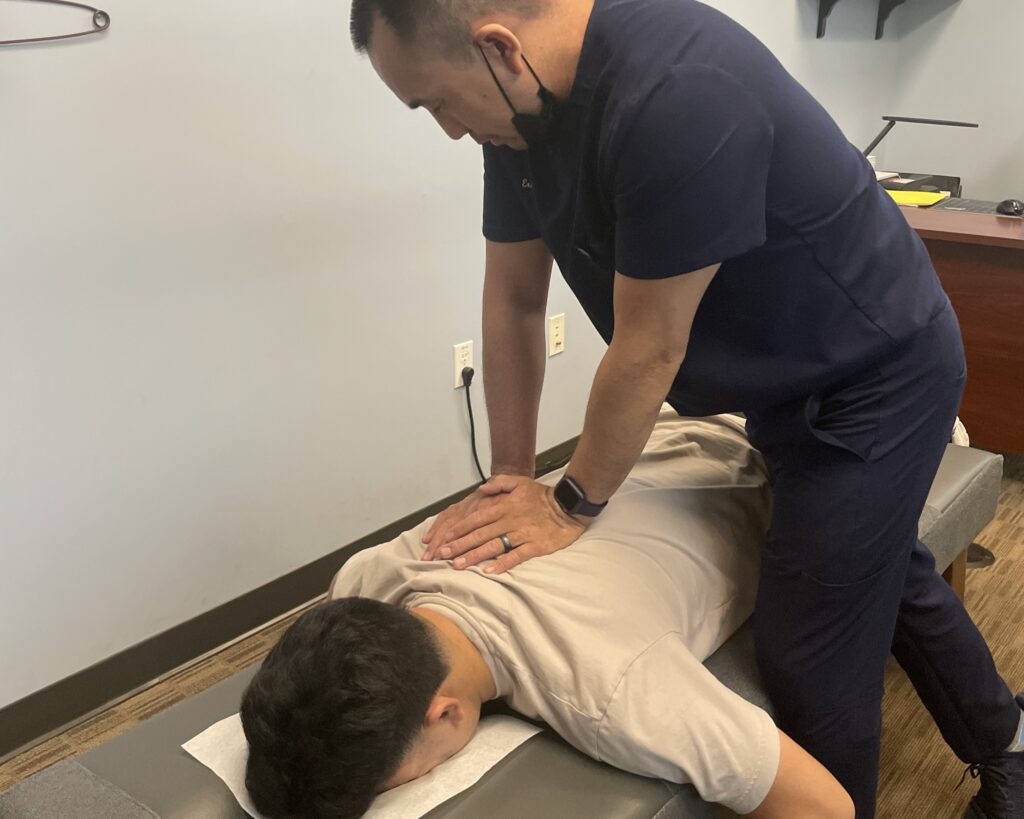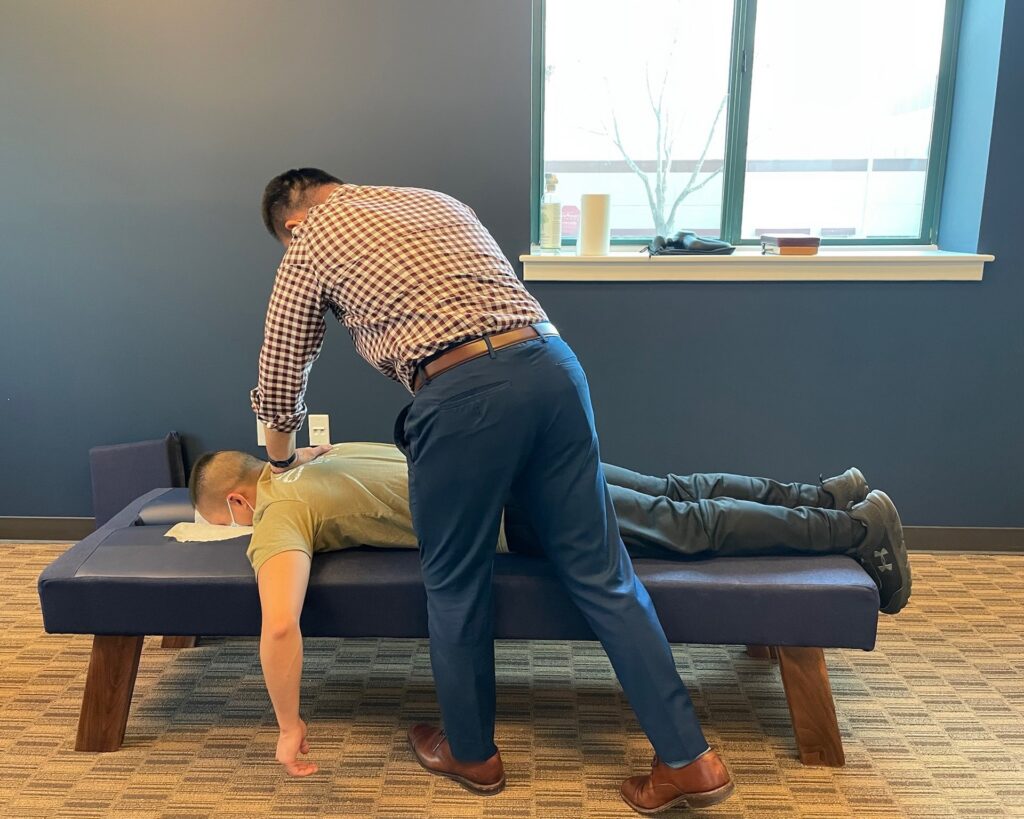
If you suffer from migraines, you know just how disruptive they can be to your daily life. Many people are discovering the remarkable benefits of chiropractic care as a natural and effective solution for migraine relief. Through gentle spinal adjustments and holistic techniques, chiropractic care focuses on correcting misalignments in the spine that can contribute to muscle tension and trigger headaches.
Curious about how these adjustments can change your experience with migraines? By realigning the spine, we can help reduce the frequency and intensity of your migraine episodes, allowing you to enjoy life more fully. Chiropractic care not only addresses the root causes of pain but also promotes overall wellness by enhancing your body’s natural healing abilities.
Here are a few tips to consider as you explore the connection between chiropractic care and migraine relief:
- Stay Hydrated: Dehydration can trigger migraines. Make sure to drink plenty of water throughout the day.
- Manage Stress: Stress is a common trigger for migraines. Incorporate relaxation techniques like deep breathing, meditation, or yoga into your routine.
- Maintain Good Posture: Poor posture can lead to spinal misalignments. Be mindful of your posture while sitting, standing, or using electronic devices.
- Regular Chiropractic Visits: Regular adjustments can help keep your spine aligned and reduce the likelihood of migraines. Consider scheduling routine appointments with your chiropractor.
By choosing chiropractic care, you’re taking a proactive step toward managing your migraines naturally. Embrace the journey to better health and discover how effective chiropractic adjustments can be in transforming your experience with pain. Remember, a healthier spine leads to a healthier you!
Understanding Migraines: Causes and Symptoms
Migraines can strike unexpectedly, but understanding their causes and symptoms is crucial for effective management and overall wellness. Many people experience intense, throbbing pain, often on one side of the head, which can be accompanied by nausea, vomiting, and sensitivity to light and sound. These distressing symptoms can last from a few hours to several days, significantly affecting your daily life.
Common triggers for migraines include stress, hormonal changes, certain foods, and lack of sleep. By becoming aware of these triggers, you can start to notice patterns that may help you anticipate and avoid migraine episodes. For instance, managing stress through relaxation techniques, maintaining a regular sleep schedule, and keeping an eye on your diet can be beneficial.
Some individuals experience auras—visual disturbances or sensory changes—before the headache begins. Keeping a migraine diary can be an excellent tool for tracking your symptoms, triggers, and frequency. This practice can provide valuable insights into your condition and help you identify lifestyle adjustments that may reduce your migraine occurrences.
As a chiropractor, I encourage you to consider how spinal health plays a role in overall wellness. Misalignments in the spine can contribute to tension and discomfort, potentially exacerbating migraine symptoms. Chiropractic care focuses on restoring proper alignment and function to the spine, which can lead to improved health and less pain.
In addition to chiropractic adjustments, here are some general tips for managing migraines naturally:
- Stay Hydrated: Dehydration can trigger migraines, so drink plenty of water throughout the day.
- Maintain a Balanced Diet: Eating smaller, balanced meals can help keep your blood sugar stable and reduce headache triggers.
- Practice Stress Management: Techniques such as yoga, meditation, and deep breathing can help manage stress levels.
- Get Regular Exercise: Physical activity can improve your overall well-being and reduce the frequency of migraines.
- Prioritize Sleep: Aim for a consistent sleep schedule to help regulate your body’s natural rhythms.
Recognizing and addressing these factors is the first step towards finding effective relief and enhancing your quality of life. By incorporating chiropractic care and these natural strategies, you can take control of your health and work towards achieving optimal wellness.
The Role of Chiropractic Care in Pain Management
Chiropractic care is a vital component of effective pain management, particularly for those dealing with chronic issues like migraines. By prioritizing spinal health and alignment, chiropractors can significantly alleviate pain, reduce tension, and enhance overall wellness.
Here are some of the remarkable benefits of chiropractic care for managing pain:
- Targeted adjustments that specifically relieve muscle tension and discomfort.
- Improved blood flow to the brain and surrounding areas, promoting better health.
- Lowered stress levels, which can be a key trigger for migraines.
- Enhanced mobility and flexibility in the spine, making everyday activities easier and more enjoyable.
- Customized care plans designed to meet your unique needs and health goals.
By committing to regular chiropractic treatment, many people experience a noticeable decrease in the frequency and intensity of their migraines. This approach to pain management emphasizes natural healing methods, allowing you to take charge of your health and improve your quality of life.
For those looking for relief, I encourage you to explore chiropractic options with your healthcare provider.
Here are a few general tips to incorporate into your daily routine for better spinal health and overall wellness:
- Practice good posture: Be mindful of how you sit and stand to reduce strain on your spine.
- Stay active: Engage in regular physical activity to strengthen your back and core muscles.
- Limit screen time: Take breaks from screens to prevent neck stiffness and tension.
- Incorporate stretching: Simple stretches throughout the day can help keep your muscles flexible and relaxed.
- Stay hydrated: Drinking plenty of water supports overall health and can help reduce headache triggers.
How Spinal Alignment Affects Migraines
When your spine is misaligned, it can lead to a series of problems that may trigger migraines. Your spine is crucial for your overall health, as it affects how your nerves function and how blood flows throughout your body. When the spine is out of alignment, it can put pressure on nerves, resulting in tension and pain.
For example, if your cervical spine isn’t aligned properly, it can increase muscle tension in your neck and shoulders, often leading to headaches.
Moreover, misalignment can disrupt the communication between your brain and body, affecting your body’s response to pain. This disruption can make you more sensitive to migraine triggers, increasing the likelihood of experiencing an attack.
As a chiropractor, I want to emphasize the importance of proper spinal alignment for managing migraines and promoting overall wellness. Regular chiropractic adjustments can help realign your spine, reduce nerve pressure, and alleviate muscle tension, which can ultimately lead to fewer headaches and migraines.
Here are some simple tips for maintaining spinal health and reducing the risk of migraines:
- Practice Good Posture: Make sure you’re sitting and standing with a straight back. This helps keep your spine aligned and reduces strain on your neck and shoulders.
- Stay Hydrated: Dehydration can contribute to headaches, so make sure you’re drinking enough water throughout the day.
- Take Breaks: If you spend long periods sitting at a desk, take regular breaks to stretch and move around. This can help relieve tension and improve circulation.
- Manage Stress: Stress can lead to muscle tension and headaches. Incorporating relaxation techniques like deep breathing, yoga, or meditation can help.
- Get Regular Chiropractic Care: Visiting your chiropractor regularly can help keep your spine aligned, support your overall health, and potentially reduce the frequency and intensity of migraines.
Techniques Used in Chiropractic Treatment for Migraines
When you choose chiropractic care for migraines, you’re opening the door to a variety of techniques specifically designed to alleviate your discomfort and promote overall wellness. Among the most effective methods are spinal manipulation techniques and soft tissue therapies. These approaches not only help relieve pain but also work to restore balance within your body, allowing it to function optimally.
Spinal manipulation involves carefully adjusting the spine to ensure proper alignment. This can relieve pressure on nerves and improve blood flow, which is vital for reducing migraine symptoms. Soft tissue therapies, on the other hand, focus on relieving tension in the muscles surrounding the spine and neck, further aiding in pain reduction.
As you explore your chiropractic options, it’s essential to remember that these natural healing techniques aren’t just about addressing the symptoms of migraines but also about fostering a healthier lifestyle overall. By prioritizing spinal health, you can enhance your body’s ability to heal itself and prevent future episodes.
Here are a few general tips to support your wellness journey:
- Stay Hydrated: Dehydration can trigger migraines, so drink plenty of water throughout the day.
- Maintain Good Posture: Poor posture can contribute to spinal misalignments, so be mindful of how you sit and stand.
- Manage Stress: Practices such as yoga, meditation, or deep breathing can help reduce stress, which is a common migraine trigger.
- Regular Adjustments: Regular visits to your chiropractor can help keep your spine aligned and your body functioning at its best.
Spinal Manipulation Techniques
Many people may not realize just how effective spinal manipulation can be for relieving migraines. These specialized techniques can significantly ease your symptoms and promote overall wellness.
As a chiropractor, I tailor various spinal manipulation methods to fit your specific needs. Here are some popular techniques that can help you find relief:
- Diversified Technique: This method involves quick adjustments to realign your spine, helping to restore proper function and reduce pain.
- Gonstead Technique: By focusing on specific spinal joints, this technique allows for targeted adjustments that can address the root cause of your discomfort.
- Activator Method: This gentle approach uses a small device to deliver precise impulses to your spine, promoting healing without added strain.
- Thompson Technique: Utilizing a special dropping table, this technique enhances the effectiveness of adjustments by applying just the right amount of force.
- Flexion-Distraction Technique: This method involves gently stretching the spine, which can relieve pressure and improve mobility.
In addition to these techniques, there are simple lifestyle tips you can incorporate to support your spinal health. Staying hydrated, practicing good posture, and engaging in regular physical activity can all contribute to a healthier spine and reduce the frequency of migraines.
Soft Tissue Therapies
While spinal manipulation is a key aspect of chiropractic care, I want to emphasize how important soft tissue therapies are in managing migraines. These gentle techniques focus on the muscles, ligaments, and fascia in your neck and spine, helping to ease tension and promote better blood flow.
Techniques like massage, myofascial release, and trigger point therapy can significantly reduce tightness and discomfort that often trigger migraine pain. As your chiropractor, I may also incorporate stretching and other hands-on methods to help you relax and improve your mobility.
By addressing these soft tissue concerns, many patients find they experience fewer migraines and enjoy better overall well-being. Remember, combining soft tissue therapies with spinal adjustments offers a comprehensive approach to migraine relief—it’s all about helping you reclaim your quality of life naturally.
For those looking to support their healing journey between visits, consider simple practices like gentle neck stretches, staying well-hydrated, and maintaining good posture throughout your day.
These small changes can make a big difference in how you feel. Choosing chiropractic care is a proactive step towards optimal health and natural wellness.
Patient Testimonials: Real-Life Success Stories
Many individuals have discovered the power of chiropractic care in alleviating their debilitating migraines, sharing inspiring stories of transformation. These testimonials can provide hope and demonstrate how chiropractic adjustments can lead to a better quality of life.
Here are some common themes from these success stories:
- Reduced Frequency: A significant number of patients report experiencing fewer migraine days after starting chiropractic care. This means more days free from pain and more opportunities to enjoy life.
- Less Intensity: Many individuals describe their migraine symptoms as being milder following treatment. This can make a huge difference, allowing them to manage their discomfort more effectively.
- Improved Functionality: With the relief from migraines, patients often regain the ability to participate in daily activities without the constant worry of an impending headache. This newfound freedom can enhance their overall lifestyle.
- Enhanced Quality of Life: Fewer migraines lead to improved well-being. Patients express a greater sense of happiness and fulfillment when they aren’t held back by chronic pain.
- Long-Term Relief: Some find that the benefits of chiropractic care extend beyond their treatment sessions, allowing them to enjoy lasting relief from migraines and a healthier, more vibrant life.
These real-life testimonials reveal that chiropractic care can be a powerful ally in your journey towards pain relief and wellness. If you’re struggling with migraines, consider exploring how chiropractic adjustments can help you reclaim your life. Remember, you deserve to live pain-free and enjoy every moment to the fullest.
As you embark on this path, here are some general tips to enhance your health and wellness:
- Stay Hydrated: Dehydration can trigger migraines, so make sure you’re drinking plenty of water throughout the day.
- Maintain a Regular Sleep Schedule: Consistent sleep patterns can help prevent migraines. Aim for 7-9 hours of quality sleep each night.
- Manage Stress: Practice relaxation techniques such as deep breathing, yoga, or meditation to help reduce stress levels, which can contribute to migraines.
- Eat Balanced Meals: A nutritious diet can support your overall health. Avoid skipping meals and try to maintain a balanced intake of proteins, healthy fats, and carbohydrates.
- Stay Active: Regular exercise can improve your overall well-being and help reduce the frequency of migraines.
What to Expect During Your Chiropractic Visit
If you’re ready to embark on your journey toward migraine relief through chiropractic care, knowing what to expect during your visit can help ease any concerns. When you arrive, your chiropractor will start with a comprehensive consultation, where they’ll discuss your medical history and the patterns of your migraines. This step is crucial as it allows them to understand your unique needs better and tailor their approach to your situation.
After the consultation, a physical examination will follow, focusing on your spine and posture. This examination is essential in identifying any misalignments or tension that may be contributing to your migraines. Based on their findings, your chiropractor will develop a personalized treatment plan designed just for you.
The adjustments themselves are typically gentle and utilize various techniques aimed at aligning your spine and relieving tension. Many patients report feeling immediate relief after their first session, but attending follow-up appointments is key to achieving the best long-term results. Remember, consistency is vital in chiropractic care.
As you go through this process, don’t hesitate to ask questions. Your chiropractor is there to provide guidance and support every step of the way. With each visit, you’re moving closer to experiencing lasting migraine relief.
Additionally, here are some general tips to complement your chiropractic care:
- Stay hydrated: Proper hydration can help reduce migraine frequency and intensity.
- Practice good posture: Be mindful of your posture throughout the day to avoid unnecessary strain on your spine.
- Incorporate stress-relief techniques: Activities like yoga, meditation, or deep breathing can help manage stress, which is often a trigger for migraines.
- Maintain a regular sleep schedule: Aim for consistent sleep patterns to help regulate your body’s natural rhythms.
Complementary Therapies to Enhance Chiropractic Care
To maximize the benefits of chiropractic care, incorporating complementary therapies can greatly enhance your journey toward migraine relief. These therapies work harmoniously with chiropractic adjustments, boosting their effectiveness and promoting overall wellness.
Here are some options you might consider that align perfectly with your chiropractic care:
- Acupuncture: This time-honored technique can help reduce pain and lower the frequency of migraines, complementing your chiropractic treatments.
- Massage Therapy: By targeting tight muscles, massage can relieve the stress and tension that often trigger migraines. It works hand-in-hand with chiropractic care to keep your body relaxed and balanced.
- Yoga and Stretching: Engaging in regular yoga and stretching can improve your flexibility and help manage stress. These practices can contribute to fewer migraine episodes and enhance your overall well-being.
- Nutritional Counseling: A well-balanced diet can play a crucial role in identifying and eliminating potential migraine triggers. Understanding what to eat can support your chiropractic care and promote better health.
- Mindfulness and Meditation: Practicing mindfulness and meditation techniques can significantly reduce stress—a common migraine trigger. Integrating these practices into your daily routine can enhance your healing journey.
Remember, chiropractic care is a powerful approach to achieving optimal health and alleviating pain.
By incorporating these complementary therapies, you can support your body’s natural healing processes and promote a healthier, migraine-free life.
Focus on small, manageable changes, and be proactive in your wellness journey!
Making the Most of Your Chiropractic Experience
Maximizing Your Chiropractic Experience for Migraine Relief
Chiropractic care is a powerful ally in the fight against migraines, and your active involvement can significantly enhance the benefits you receive. The first step to optimizing your chiropractic experience is to have an open and honest conversation with your chiropractor. Share details about your symptoms, lifestyle, and any past treatments you’ve tried. This information helps your chiropractor create a personalized care plan that’s just right for you.
Consistency is key! Regular appointments can lead to better results, so make it a priority to stick to your schedule. In addition to chiropractic adjustments, consider incorporating simple practices into your daily routine—like gentle stretching, staying well-hydrated, and managing stress through relaxation techniques. These habits can complement your chiropractic care and promote overall wellness.
A migraine diary can also be a valuable tool. By jotting down your triggers and how your body responds to adjustments, you and your chiropractor can refine your care plan to better suit your needs.
Lastly, keep an open mind. Healing takes time, and staying committed to your treatment is essential. With your proactive engagement, you can significantly enhance your chiropractic experience and work towards lasting relief from migraines.
Conclusion
If you’re dealing with migraines, chiropractic care could be the natural solution you’ve been searching for. By prioritizing spinal alignment and overall wellness, chiropractic adjustments can help reduce the frequency and intensity of your migraine episodes. With tailored treatments and supportive therapies, you’re taking a significant step toward living a life free from pain.
Chiropractic care works by addressing the root causes of migraines, often linked to spinal misalignments and tension in the body. Through gentle adjustments, we can help restore proper function to your nervous system and promote better overall health.
Here are some general tips that may help you manage your migraines alongside chiropractic care:
- Stay Hydrated: Dehydration can trigger migraines, so make sure you’re drinking plenty of water throughout the day.
- Maintain Good Posture: Poor posture can contribute to tension headaches. Being mindful of how you sit and stand can make a big difference.
- Manage Stress: Stress is a common migraine trigger. Practice relaxation techniques such as deep breathing, meditation, or yoga to help keep stress levels in check.
- Regular Exercise: Gentle, regular exercise can help reduce the frequency of migraines by improving overall circulation and reducing tension.
- Sleep Hygiene: Aim for a consistent sleep schedule and create a calming bedtime routine to ensure you get quality rest.
Don’t let migraines interfere with your daily life. Explore the benefits of chiropractic care, and take the first step toward reclaiming your activities and improving your quality of life. You deserve to live without pain, and together, we can work toward achieving your health goals naturally.