If you're experiencing back pain, know that you're not alone, and finding effective relief is crucial for your well-being. As a local chiropractor, I want to share some valuable insights about how chiropractic care and natural healing can help you manage your discomfort. You may have already tried various methods, but understanding the top techniques we use in our practice can truly make a difference.
From targeted stretching exercises to proper posture adjustments, each strategy plays a vital role in alleviating back pain. However, there's more to it than just these fundamental approaches. By learning how to combine chiropractic adjustments with lifestyle changes, you may discover a new level of relief that you haven't experienced before.
It's important to understand why these techniques matter for your everyday life. Effective management of back pain can lead to improved mobility, better sleep, and an overall enhancement of your quality of life. Let's work together to explore these approaches and find what really works for you in your journey towards healing.
Stretching Exercises
As a local chiropractor, I want to emphasize the importance of incorporating stretching exercises into your routine, especially if you're dealing with back pain. These simple yet effective movements can significantly improve your flexibility, help reduce muscle tension, and promote better blood circulation to your back muscles.
One of the foundational stretches I recommend is the cat-cow stretch. This exercise is fantastic for mobilizing your spine. Start by getting on all fours. Inhale deeply as you arch your back, lifting your head and tailbone toward the ceiling. Then, as you exhale, round your back by tucking your chin and tailbone. Repeat this sequence for several breaths, allowing your spine to move freely.
Another excellent stretch is the child's pose. Kneel on the floor and sit back on your heels. Extend your arms forward and lower your forehead to the ground. Take deep breaths in this position, feeling the gentle stretch along your spine. Hold this pose for 30 seconds to a minute to really feel the benefits.
The standing forward bend is also highly effective. Stand tall and then slowly hinge forward at your hips, letting your head hang heavy. This stretch is particularly helpful for releasing tension in your lower back.
Additionally, consider incorporating the seated hamstring stretch into your routine. Sit with your legs extended in front of you and reach for your toes. This not only stretches your hamstrings but also helps alleviate tightness in your lower back.
By regularly practicing these stretches, you can enhance your overall mobility and reduce discomfort. It's crucial to approach these exercises gently and to listen to your body—if you feel pain, it's important to ease off.
Consistency is vital, so I encourage you to aim for daily stretching to achieve the best results. Your back will truly appreciate the care you provide!
Strengthening Workouts
As a local chiropractor, I want to share the importance of strengthening workouts in alleviating back pain and enhancing your overall stability. Many of my patients are surprised to learn how crucial core stability exercises, flexibility enhancement, and proper body alignment techniques are for building a robust foundation for your back.
By incorporating these components into your routine, you not only support your spine but also significantly reduce discomfort. Strengthening your core helps stabilize your spine, while improved flexibility allows for a greater range of motion, which can prevent injuries.
Additionally, practicing body alignment techniques ensures that your movements are safe and effective. Together, these practices create a holistic approach to back health, promoting natural healing and overall well-being.
Let's work together to explore these strategies and find the best plan for your individual needs.
Core Stability Exercises
As a local chiropractor, I often emphasize the importance of core stability exercises for maintaining back health and enhancing overall strength. A strong core is essential for supporting your spine, which not only reduces the risk of injuries but can also help alleviate any existing back pain you may be experiencing.
I recommend starting with foundational exercises such as planks, bridges, and bird-dogs. These movements engage multiple muscle groups, contributing to better stability and balance in your body.
When you perform a plank, be sure to maintain a straight line from your head to your heels. Begin by holding this position for 20 to 30 seconds, and as your strength improves, you can gradually extend the duration.
For the bridge exercise, lie on your back with your knees bent and feet flat on the ground. Lift your hips towards the ceiling while squeezing your glutes at the top; aim for 10 to 15 repetitions.
The bird-dog is another excellent exercise to consider. Start on all fours and extend one arm while simultaneously extending the opposite leg, ensuring your back remains straight. Hold this position for a few seconds before switching sides.
I encourage you to incorporate these exercises into your routine two to three times a week. Consistency is vital for achieving the best results, and over time, you should notice improvements in your stability, reductions in pain, and overall fitness enhancement.
Strengthening your core is a fundamental step towards achieving lasting relief from back pain, and it complements the chiropractic care I provide for optimal health and wellness.
Stretching and Flexibility
As a chiropractor, I want to emphasize the importance of stretching and flexibility as vital components of your overall health and wellness. While many individuals tend to focus solely on strength training, it's essential not to overlook the benefits that stretching can bring, especially when it comes to maintaining a healthy spine.
Incorporating stretching exercises into your routine can significantly enhance your strength while also helping to prevent injuries, particularly in the back area. Improved flexibility allows your muscles to function more efficiently, which can help alleviate tension that often contributes to back pain.
I recommend starting your workouts with dynamic stretches to warm up your muscles. Simple movements like arm circles and leg swings can effectively prepare your body for more strenuous activities.
After your workout, transitioning to static stretches is crucial for cooling down. Pay special attention to your lower back, hamstrings, and hip flexors, holding each stretch for about 20-30 seconds to reap the maximum benefits.
Additionally, consider integrating yoga into your routine. Poses such as Child's Pose and Cat-Cow not only enhance flexibility but also promote relaxation, which is beneficial for reducing pain.
Consistency is vital—aim to stretch at least three times a week for optimal results. By making stretching and flexibility a priority, you're not only supporting your back health but also boosting your overall strength and performance.
Body Alignment Techniques
As a chiropractor dedicated to promoting natural healing and overall wellness, I want to emphasize the importance of maintaining proper body alignment during your workouts. This practice not only maximizes your strength but also significantly reduces the risk of injury.
When your body is aligned correctly, you engage the right muscles, enhance your performance, and alleviate strain on your back. Here are four essential body alignment techniques I recommend incorporating into your strengthening routines:
- Engage Your Core: Before you begin any lifting movement, make sure to tighten your abdominal muscles. This action stabilizes your spine and provides essential support for your lower back, helping to prevent injuries.
- Keep Your Shoulders Relaxed: It's crucial to avoid hunching your shoulders during exercises. Instead, keep them back and down. This positioning promotes a natural alignment of your spine, which is vital for optimal function.
- Align Your Knees: When performing exercises like squats or lunges, ensure that your knees track directly over your toes. This alignment prevents unnecessary pressure on your joints and back, contributing to a safer workout.
- Maintain a Neutral Spine: Throughout your movements, focus on keeping your spine in a neutral position. Avoid excessive arching or rounding of your back. A neutral spine is key to protecting your vertebrae and supporting your overall health.
By integrating these techniques into your workouts, you can enhance your physical performance and support your body's natural healing process.
If you have any questions or need further guidance, feel free to reach out—I'm here to help you achieve your wellness goals!
Proper Posture
As a local chiropractor, I want to emphasize the importance of proper posture in preventing and alleviating back pain. Maintaining good posture is vital for evenly distributing your body weight and minimizing the strain on your spine. When you practice proper posture—whether you're sitting, standing, or walking—you can significantly reduce discomfort and fatigue.
To achieve optimal posture, start by aligning your ears, shoulders, and hips in a straight line. When seated, ensure your feet are flat on the floor and your knees are bent at a 90-degree angle. Choosing a chair that supports your lower back and encourages an upright position is crucial. It's essential to avoid slumping or leaning forward, as these habits can put excessive pressure on your spine.
When standing, aim to distribute your weight evenly across both feet. Engaging your core muscles can provide additional support for your lower back and help alleviate strain. Keep your shoulders relaxed, avoiding any slouching, and remember not to lock your knees. If you spend long hours at a desk, consider the benefits of a standing desk to promote better posture and provide variation throughout your day.
As you walk, focus on keeping your head held high and your back straight. Picture a string pulling you upward from the top of your head to maintain an elongated spine. This small adjustment can significantly aid in preventing back pain.
Lastly, I encourage you to be mindful of your posture during everyday activities, especially when lifting heavy items. Always bend at your knees rather than your waist, and keep the object close to your body to protect your spine.
Heat Therapy
As a local chiropractor, I want to share how heat therapy can be a transformative approach to alleviating your back pain.
By applying heat, you can effectively relax tight muscles and enhance blood circulation, which in turn supports the healing process.
Let's delve into some of the most effective heat sources that can help you achieve relief naturally.
Understanding the benefits of heat therapy is an essential step in your journey toward better spinal health and overall well-being.
Benefits of Heat Application
As your local chiropractor, I want to share with you some valuable insights about managing back pain, particularly through the use of heat therapy. Many of my patients find that applying heat can be one of the most effective methods for achieving relief.
Heat therapy works by increasing blood flow to the affected area, which in turn helps to relax tight muscles and alleviate discomfort. Here are several key benefits of incorporating heat into your back pain management routine:
- Reduces Muscle Tension: Heat therapy is excellent for softening and relaxing stiff muscles. This can make daily activities much easier and more comfortable, helping you regain your mobility.
- Increases Flexibility: By warming your tissues, heat enhances flexibility, promoting smoother movements. This can significantly reduce the risk of further injury and help you stay active.
- Promotes Healing: The boost in blood flow that comes with heat therapy delivers vital nutrients and oxygen to the injured area, which can support faster healing and recovery.
- Provides Comfort: There's something undeniably soothing about warmth. The comforting sensation can help distract you from the pain, making it easier to cope with your back issues.
Integrating heat therapy into your daily routine is a simple yet effective strategy for managing back pain.
As your chiropractor, I encourage you to explore this natural healing approach to enhance your overall well-being and enjoy a more active, pain-free lifestyle.
Best Heat Sources
As a local chiropractor, I'm here to help you understand the importance of heat therapy in managing back pain. Finding the right heat source can significantly enhance your recovery and comfort. Let me guide you through some effective options that can aid in your healing process.
One of the most commonly recommended methods is using electric heating pads. They're particularly user-friendly, providing consistent warmth that can help alleviate discomfort. Just remember to adjust the settings carefully to prevent overheating, which can lead to skin irritation.
Another excellent choice is microwaveable heat packs filled with rice or gel. These packs aren't only portable but also mold to your body's contours, delivering targeted relief exactly where you need it. Simply heat them for a few minutes and apply them to your back for soothing relief.
Warm towels can also be quite effective. You can soak a towel in hot water, wring it out, and gently place it on your back. This method offers a comforting heat source, but it's important to ensure that the towel isn't too hot to avoid burns.
If you're looking for a more holistic approach, consider taking a warm bath. This can be a wonderful way to relax your muscles and relieve tension throughout your body. Adding Epsom salts can further enhance the soothing effects and promote relaxation.
Lastly, heat wraps are a fantastic option for those who want continuous warmth throughout the day. These wraps are designed to be worn comfortably while you go about your daily activities, allowing for mobility while still providing relief.
Cold Therapy
As your local chiropractor, I want to share with you the benefits of cold therapy for alleviating back pain, especially after an injury or during a flare-up. This natural method can be incredibly effective in managing discomfort and promoting healing.
Here's how you can easily incorporate cold therapy into your routine:
- Select Your Cold Source: You have several options, such as ice packs, frozen vegetables, or even a cold compress. Just remember to wrap your chosen source in a cloth to protect your skin from direct contact and avoid any potential frostbite.
- Timing is Important: Aim to apply cold therapy for around 15-20 minutes at a time. This duration is ideal for allowing your muscles to relax while minimizing the risk of skin damage.
- Frequency is Essential: For optimal results, I recommend repeating the application every 1-2 hours during the first 48 hours following an injury or flare-up. This consistent approach can significantly help in managing pain and reducing swelling.
- Tune into Your Body: It's crucial to listen to how your back feels during and after each application. If you experience increased pain or discomfort, please stop immediately. Adjusting your routine based on your body's feedback is a key part of effective healing.
Incorporating cold therapy into your pain management strategy can lead to noticeable relief. It's a straightforward and effective method that works well alongside other chiropractic treatments to enhance your recovery process.
As always, if your pain persists or worsens, don't hesitate to consult with me or another healthcare professional. Together, we can find the best approach for your healing journey.
Massage Techniques
As a local chiropractor, I want to emphasize the importance of incorporating massage techniques into your back pain relief plan. These methods can provide substantial benefits by reducing muscle tension and enhancing circulation. When you're dealing with back pain, it's common for your muscles to become tight, which can lead to discomfort and limit your mobility. Massage therapy can help ease this tightness, allowing you to relax and improving blood flow to the affected areas.
There are various massage techniques that you can explore to see what resonates with your body. For example, Swedish massage utilizes long, gentle strokes to soothe sore muscles and promote overall relaxation. If your pain is chronic or you're experiencing significant stiffness, deep tissue massage may be more appropriate, as it targets deeper muscle layers and connective tissue.
On the other hand, if you prefer something gentler, myofascial release techniques focus on relieving tension in the fascia surrounding your muscles, offering a softer touch for those who may be sensitive.
You don't always need to visit a professional therapist to enjoy the advantages of massage. There are self-care techniques you can practice at home. For instance, using a tennis ball can be an effective way to apply pressure to tight areas along your back. Additionally, incorporating a foam roller into your routine can help release muscle knots and enhance your flexibility.
As you consider these options, remember that both chiropractic care and massage therapy can work hand in hand to enhance your overall well-being and improve your quality of life. Embracing these natural healing methods can lead to significant improvements in your back health.
Acupuncture Benefits
As a local chiropractor, I want to share with you the numerous benefits of acupuncture, particularly for those suffering from back pain. This ancient technique, which involves the gentle insertion of thin needles at specific points on the body, can be an incredible complement to your overall relief strategy.
If you're considering acupuncture but have some reservations, let me highlight some key advantages that could change your perspective:
- Pain Reduction: Research has shown that acupuncture can significantly alleviate back pain, often providing relief when other treatments haven't been effective. This can be a game-changer for many patients.
- Enhanced Functionality: Acupuncture doesn't just focus on alleviating pain; it can also improve your overall mobility and functionality. Many patients find they can return to their daily activities with much greater ease after undergoing acupuncture sessions.
- Stress Relief: Chronic back pain is frequently linked to high stress levels. Acupuncture promotes relaxation and can help you manage stress more effectively. As you reduce your stress, you may also notice a decrease in your pain.
- Holistic Approach: Unlike conventional treatments that may focus solely on pain management, acupuncture addresses the root causes of discomfort. This holistic approach can lead to more sustainable and long-lasting relief.
Incorporating acupuncture into your wellness routine can provide valuable benefits that support not only your back pain relief but also your overall health.
If you have any questions or would like to know more about how acupuncture can fit into your healing journey, feel free to reach out!
Chiropractic Adjustments
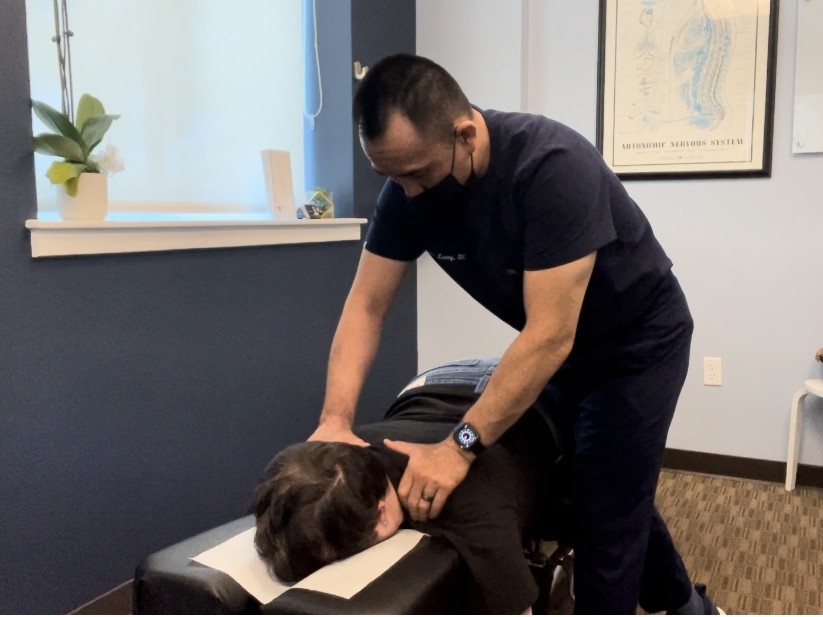
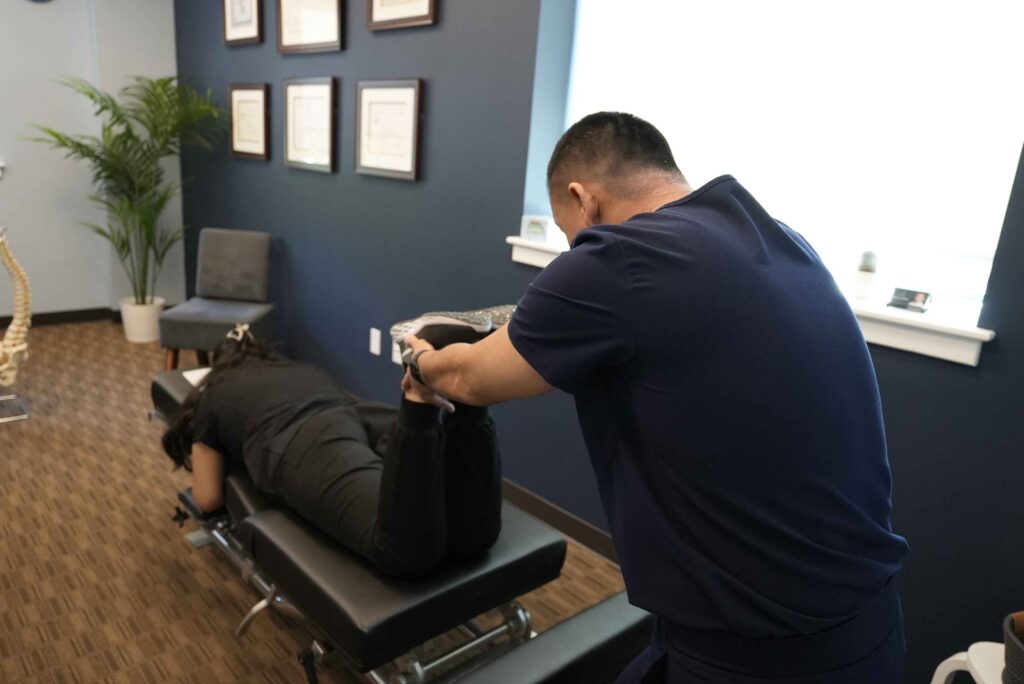
As a local chiropractor, I want to share with you the incredible benefits of chiropractic adjustments in managing back pain and enhancing your overall spinal health. Many people are unfamiliar with what we do, so let me explain how it works.
When you come to my office, I'll carefully assess your spine to identify any misalignments that may be contributing to your discomfort. Using precise techniques, I'll adjust your vertebrae to restore proper alignment and function.
By realigning your spine, chiropractic adjustments help alleviate pressure on your nerves, which often leads to a noticeable reduction in pain. Some patients feel immediate relief after their first session, while for others, it may take a few visits to experience significant changes.
Regardless, many individuals report improved mobility and less stiffness in their backs after receiving adjustments.
One of the key advantages of chiropractic care is our focus on treating the root cause of your back pain, rather than just masking the symptoms with temporary fixes. This holistic approach not only promotes your overall well-being but also helps prevent future issues from arising.
Additionally, chiropractic adjustments can be enhanced by complementary therapies like physical therapy or exercise, ensuring a more effective recovery process.
It's normal to feel some mild discomfort after an adjustment, but rest assured, this sensation typically subsides quickly. I'll provide you with guidance on how to care for your back at home and may suggest lifestyle changes to support your healing journey.
If you're looking for a natural, non-invasive method for back pain relief, I encourage you to consider scheduling an appointment with me. Together, we can work towards achieving a healthier, pain-free back sooner than you might think!
Pain Relief Medications
As a local chiropractor, I want to help you understand how to manage back pain effectively and safely. Many individuals often resort to pain relief medications as a quick fix, but it's essential to recognize that while these can offer immediate relief, they may not address the root cause of your discomfort.
Here's an overview of common pain relief options and insights into how chiropractic care can complement your treatment:
1. Nonsteroidal Anti-Inflammatory Drugs (NSAIDs): Over-the-counter medications like ibuprofen and naproxen can help reduce inflammation and relieve pain. While they can be effective for mild to moderate discomfort, I encourage you to be cautious with their long-term use.
Instead, consider how chiropractic adjustments can naturally reduce inflammation and promote healing without the potential side effects of these drugs.
2. Acetaminophen: This is another common over-the-counter option for pain relief. It's easier on the stomach than NSAIDs, but it doesn't tackle inflammation.
If you're looking for a more holistic approach, chiropractic care can help address pain at its source by improving spinal alignment and function, which may reduce the need for medications.
3. Prescription Pain Relievers: If over-the-counter medications aren't providing enough relief, your doctor might prescribe stronger options, such as opioids. While these can offer significant pain relief, they also carry risks of addiction and other side effects.
I recommend discussing alternative therapies, like chiropractic manipulation, which can help manage pain without the risks associated with prescription drugs.
4. Topical Analgesics: Creams or patches with ingredients like menthol or lidocaine can be applied directly to painful areas for localized relief.
However, keep in mind that these solutions may only mask the pain. Chiropractic care focuses on treating the underlying issues contributing to your pain, so you can achieve long-lasting relief.
Before starting any medication regimen, it's crucial to consult with your healthcare provider.
As a chiropractor, I'm here to help you explore natural healing options that fit your unique needs. Medications can have their place, but they should be part of a comprehensive back pain management plan that includes chiropractic adjustments, exercise, and lifestyle changes for optimal results.
Let's work together to find the best approach for your health and well-being!
Mindfulness and Relaxation
As a local chiropractor, I want to emphasize that while medications can provide temporary relief for back pain, integrating mindfulness and relaxation techniques into your routine can significantly improve your overall well-being and help you manage discomfort more effectively.
These practices help you connect with your body, enhance awareness, and reduce stress—all of which can play a crucial role in alleviating pain.
Mindfulness is about being present in the moment without judgment. By focusing on your breath or observing your thoughts, you can create a mental space that allows you to detach from the pain you may be experiencing.
I encourage you to set aside a few minutes each day to practice mindfulness meditation. Find a quiet place, close your eyes, and concentrate on your breathing. When thoughts about your pain come to mind, acknowledge them gently without getting caught up in them.
With consistent practice, this approach can help shift your perception of discomfort.
In addition to mindfulness, relaxation techniques such as deep breathing and progressive muscle relaxation can be incredibly beneficial.
Deep breathing encourages oxygen to flow more freely, promoting relaxation throughout your body. You can practice this by inhaling deeply through your nose, holding for a few seconds, and then exhaling slowly through your mouth.
Progressive muscle relaxation is another effective technique where you tense and then relax different muscle groups, starting from your toes and moving up to your head. This practice helps you become more aware of the difference between tension and relaxation in your body.
By incorporating these mindfulness and relaxation techniques alongside chiropractic care, you can support your journey toward a healthier, more balanced life.
Conclusion
As your local chiropractor, I want to share with you some effective techniques for relieving back pain that can truly enhance your quality of life. Incorporating these methods into your daily routine can make a significant difference in your overall well-being.
First and foremost, I encourage you to prioritize stretching and strengthening your core muscles. These practices not only support your spine but also help alleviate discomfort. Maintaining proper posture is another crucial aspect; it can reduce strain on your back and enhance your alignment.
In addition to these exercises, I recommend exploring heat and cold therapy, which can provide immediate relief to sore muscles. Many of my patients have also found great benefit from professional treatments such as acupuncture and chiropractic adjustments. These natural healing methods can address the root cause of pain and promote healing.
Lastly, practicing mindfulness and relaxation techniques can play a vital role in managing pain more effectively. By being more aware of your body and its signals, you can take proactive steps towards better health.
Take charge of your back health today! Together, we can work towards achieving the relief and comfort you deserve.