Improving your posture and alleviating discomfort is crucial for your overall health and well-being. Many people don’t realize how their daily habits and the way they set up their workspace can impact their spine. Simple adjustments, such as strengthening your core and incorporating gentle stretches, can lead to significant improvements. However, there’s more to achieving optimal wellness than just exercises.
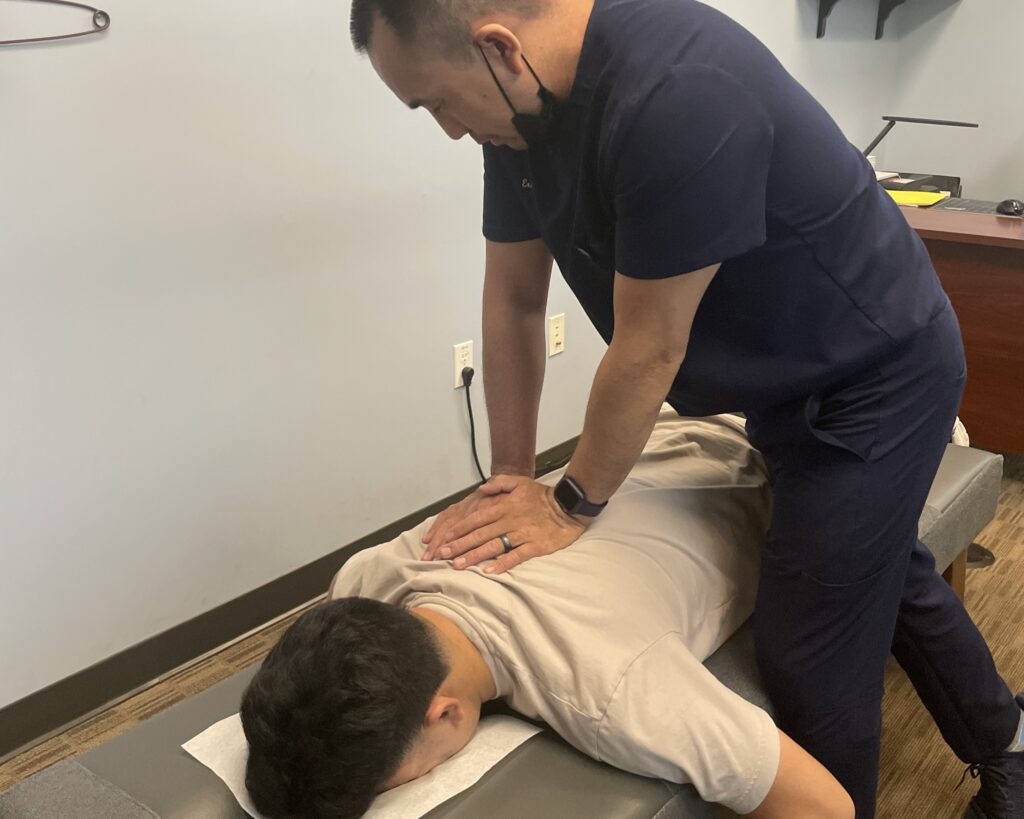
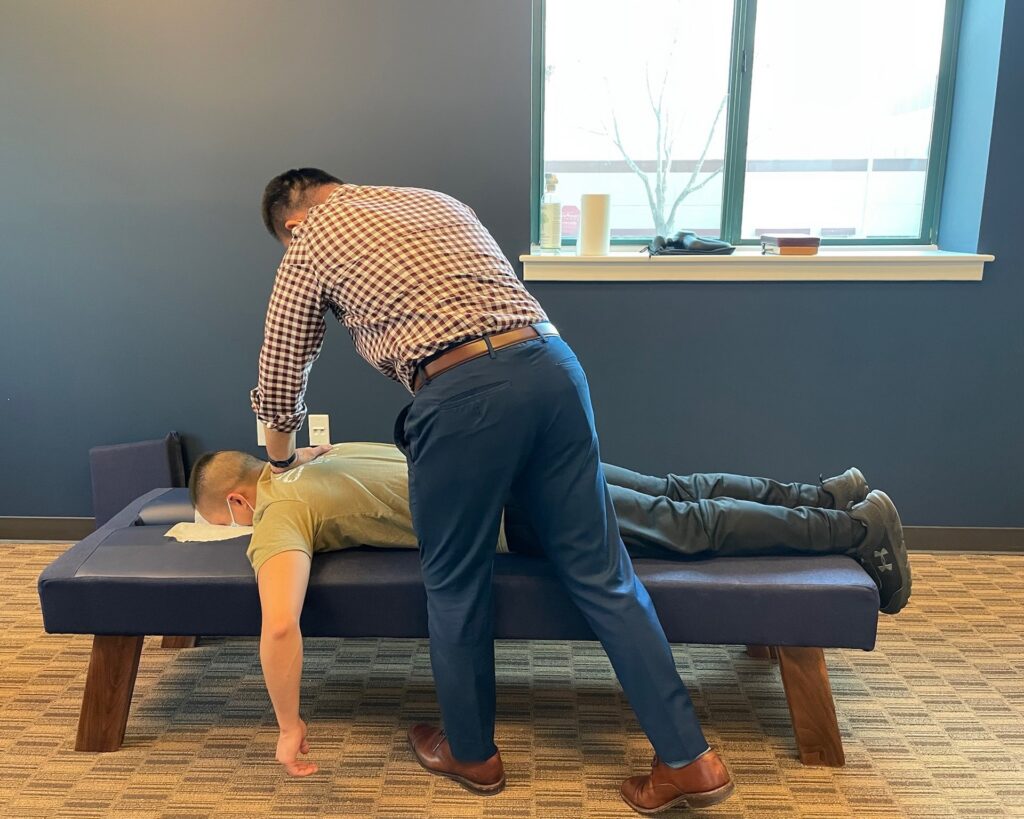
As a chiropractor, I believe in the power of tailored techniques that not only enhance your comfort but also promote proper alignment. Chiropractic care is a natural and effective way to address spinal issues and support your body’s healing processes. By focusing on spinal health, you can pave the way for a healthier lifestyle and enjoy pain relief without the need for medications or surgeries.
Here are some general tips and tricks you can incorporate into your daily routine to improve your posture and overall well-being:
- Mind Your Posture: Whether you’re sitting or standing, make a conscious effort to keep your spine aligned. Keep your shoulders back and your head level. This simple awareness can prevent discomfort.
- Strengthen Your Core: A strong core is essential for maintaining good posture. Incorporate exercises like planks and bridges into your fitness routine to build strength in your abdominal and back muscles.
- Stretch Regularly: Take breaks throughout the day to stretch your neck, shoulders, and back. Simple stretches can relieve tension and improve flexibility.
- Adjust Your Workspace: Ensure your desk and chair are set up ergonomically. Your monitor should be at eye level, and your feet should rest flat on the ground. This helps reduce strain on your spine.
- Stay Active: Regular physical activity is key to supporting your spinal health. Consider walking, swimming, or participating in yoga to keep your body moving and flexible.
- Consult with a Chiropractor: A chiropractor can provide personalized care and guidance tailored to your specific needs. Regular adjustments can help keep your spine aligned and promote your body’s natural healing abilities.
By incorporating these strategies into your daily life, you can enhance your comfort and support your spinal health. Remember, chiropractic care is a powerful tool for achieving pain relief and promoting overall wellness. Let’s work together towards a healthier, more aligned you!
Understand Your Current Posture
Have you ever taken a moment to think about how your posture impacts your daily life? It goes beyond just standing tall; your posture plays a significant role in your mood, energy levels, and overall health.
As a chiropractor, I encourage you to assess how you sit, stand, and move throughout your day. Are you slumping at your desk or leaning too far forward while using your phone? These habits can lead to discomfort and fatigue, which can be addressed through chiropractic care.
To get a clearer picture, try standing in front of a mirror to observe your natural posture. Are your shoulders rounded? Is your head jutting forward? Recognizing these patterns is key. Many people don’t realize how often they may be in a poor position, but awareness is the first step toward improvement.
Here are some simple tips to help you maintain better posture throughout your day:
- Mind Your Sitting Position: When sitting, keep your feet flat on the ground and your back supported. Adjust your chair height so your knees are at a right angle.
- Take Frequent Breaks: If you work at a desk, take regular breaks to stand up, stretch, and move around. This can prevent stiffness and promote better circulation.
- Strengthen Your Core: Engaging in exercises that strengthen your core muscles can help support your spine and improve your posture.
- Consider Chiropractic Care: Regular chiropractic adjustments can help align your spine, relieve discomfort, and enhance your overall well-being. It’s a natural approach to maintaining good posture and health.
By focusing on these habits and considering chiropractic care, you can take proactive steps towards achieving optimal health and comfort in your daily life.
Ergonomic Workspace Setup
Creating an ergonomic workspace is a vital step in promoting good posture and overall comfort, particularly for those who spend long hours at a desk. As a local chiropractor, I want to share how simple adjustments can’t only reduce discomfort but also enhance your productivity and overall well-being.
Remember, chiropractic care is a natural way to support your spine and overall health.
- Chair Height: Adjust your chair so that your feet rest flat on the floor and your knees form a 90-degree angle. This adjustment supports your lower back and helps maintain proper spinal alignment. A well-aligned spine can prevent discomfort and tension that may lead you to seek chiropractic care.
- Monitor Position: Position your monitor at eye level and about an arm’s length away. This setup helps prevent neck strain and encourages a neutral head position, reducing the risk of developing chronic pain. Regular chiropractic adjustments can further ensure that your neck and spine remain healthy.
- Keyboard and Mouse Placement: Keep your keyboard and mouse within easy reach, ensuring your elbows stay close to your sides with your wrists in a straight position. This minimizes tension in your shoulders and arms. If you experience any discomfort, consider visiting your chiropractor for personalized advice on maintaining proper posture.
By making these ergonomic adjustments, you’re taking proactive steps towards a healthier workspace.
Strengthening Core Muscles
Strengthening your core muscles is crucial for maintaining good posture and supporting your spine, which is essential for your overall health and well-being. A strong core helps stabilize your body, allowing you to keep proper alignment throughout the day. When your core is weak, it can lead to slouching or leaning, which can cause discomfort and strain on your spine.
Incorporating exercises such as planks, bridges, and pelvic tilts into your everyday routine can be a great way to engage multiple muscle groups, enhancing your stability and strength. You don’t have to spend hours; even just a few minutes of core exercises each day can lead to noticeable improvements over time. Consistency is key!
While exercising, remember to focus on your breathing. Proper breathing techniques not only enhance muscle engagement but also improve your overall effectiveness during workouts. Deep, controlled breaths can help you stay focused and connected to your body.
As you strengthen your core, you may experience improved balance and a reduction in back pain. This can make it much easier for you to maintain good posture during daily activities. A strong core serves as the foundation for a healthier spine and can contribute to a more confident stance.
Lastly, consider visiting your local chiropractor for personalized advice and adjustments that can complement your core strengthening efforts. Chiropractic care is a natural and effective way to support your spine, alleviate discomfort, and promote overall wellness.
Stretching and Flexibility Exercises
As a local chiropractor, I want to emphasize the vital role that stretching and flexibility exercises play in achieving optimal health and improving your posture. While strengthening your core is essential, don’t forget that maintaining muscle balance and flexibility can significantly enhance your well-being.
These exercises not only help prevent stiffness but also support your spine’s alignment, making a noticeable difference in how you feel and carry yourself throughout the day.
Here are three effective stretching and flexibility exercises that can aid in your journey toward improved posture and overall health:
- Chest Stretch: Stand tall and clasp your hands behind your back. Gently pull your shoulders back and down, allowing your chest to open up. This stretch helps counteract the effects of slouching, which can negatively impact your spine. Hold for 20-30 seconds, and breathe deeply to maximize the benefits.
- Hip Flexor Stretch: Kneel on one knee, placing the other foot in front, forming a 90-degree angle. Lean forward slightly to effectively stretch your hip flexor. This area can often become tight from prolonged sitting, which can affect your spinal alignment. Hold for 20-30 seconds on each side to encourage flexibility and support your lower back.
- Upper Back Stretch: Interlace your fingers and reach your arms forward, rounding your upper back. This stretch is fantastic for releasing tension that can build up from poor posture. Hold this position for 20-30 seconds, and remember to breathe deeply to foster relaxation.
Incorporating these stretches into your daily routine can support your chiropractic care and enhance your body’s natural healing processes.
Mindful Movement Practices
As you look for ways to improve your posture, consider incorporating mindful movement practices into your routine. These practices not only help you become more aware of your body and its alignment, but they also foster a strong connection between your mind and body.
Activities like yoga and tai chi can play a significant role in enhancing your posture by promoting balance, flexibility, and strength—all essential elements for spinal health.
When you practice these mindful movements, pay close attention to your breath and the sensations in your body with each position. This heightened awareness can help you identify and correct any postural imbalances.
Additionally, as you engage in these movements regularly, you’ll develop better body mechanics, which can reduce discomfort often linked to poor posture.
Integrating mindful movement into your daily life can truly transform the way you hold yourself. Consider setting aside just a few minutes each day for these practices, allowing yourself to be fully present in the moment.
By doing so, you’re likely to notice improvements not only in your posture but also in your overall sense of well-being.
Remember, chiropractic care is also an excellent way to achieve optimal health and alleviate pain. Regular chiropractic adjustments can help align your spine, improve your posture, and enhance your overall health.
Pairing chiropractic care with mindful movement can create a powerful approach to achieving a healthier, more balanced lifestyle.
Regular Breaks and Micro-Movements
Taking regular breaks and incorporating micro-movements throughout your day can greatly enhance your posture and overall well-being, especially when it comes to spinal health.
As a chiropractor, I often see how prolonged sitting and repetitive motions can lead to discomfort and misalignment in the spine. It’s all too easy to get absorbed in work or daily tasks, but standing up and moving around can make a significant difference in your health.
Here are three simple strategies to help you incorporate breaks and micro-movements that can support your spine and promote wellness:
- Set a Timer: Aim to take a quick break every 30-60 minutes. Use this time to stand up, stretch, or take a short walk. This simple act not only helps reset your posture but also alleviates tension in your back, reducing the risk of pain and discomfort.
- Micro-Movements: While seated, you can engage in small movements that promote spinal health, like ankle circles, shoulder rolls, or gentle neck stretches. These movements can be done discreetly and won’t disrupt your workflow, yet they can make a big difference in how your body feels.
- Change Positions: It’s important to shift your body position regularly. Consider alternating between sitting, standing, or even using a balance ball for short periods. This variety not only keeps your spine aligned but also encourages better circulation and overall vitality.
By incorporating these practices into your daily routine, you can support your spine’s health and enhance your overall well-being.
Remember, chiropractic care is a powerful tool for achieving optimal health and relieving pain naturally. If you ever feel discomfort or tension that doesn’t seem to improve, consider visiting your chiropractor for personalized advice and care tailored to your needs.
Your spine will thank you!
Posture-Correcting Tools and Devices
When it comes to improving your posture, posture-correcting tools and devices can certainly be helpful, but nothing compares to the benefits of chiropractic care. As a chiropractor, I believe that supporting your spine through natural means is the best way to achieve optimal health and well-being.
Tools like posture braces can help you pull your shoulders back and remind you to maintain good posture throughout the day. However, while these tools can assist you, they should be seen as a complement to the holistic approach that chiropractic care provides.
Ergonomic chairs and seat cushions can promote a healthier sitting position and reduce pressure on your spine, but regular chiropractic adjustments can directly address any misalignments that contribute to discomfort. Additionally, posture trainers, which vibrate when you slouch, may serve as a reminder, yet they can’t replace the personalized care and expertise of a chiropractor.
Incorporating these tools into your daily routine can lead to some relief, but for lasting results and a true transformation in your posture and overall health, consider regular visits to your chiropractor. We focus on natural healing methods that help your body function optimally.
Also, remember that conscious efforts to improve your posture through simple exercises and mindful awareness are essential. A few tips to help you along the way include:
- Strengthening your core: Engage in exercises that build core strength, as a strong core supports better posture.
- Take breaks: If you sit for long periods, take breaks to stand, stretch, and walk around to keep your spine healthy.
- Mind your alignment: Be aware of how you sit and stand. Keep your shoulders back and your head level with your spine.
- Get adjusted: Regular chiropractic adjustments can help maintain proper alignment and relieve tension in your back and neck.
Proper Footwear and Gait Awareness
Improving your posture goes beyond just using tools and devices; it’s also about selecting the right footwear and being aware of how you walk. Proper shoes play a crucial role in distributing your weight evenly and providing the support your body needs, which in turn can enhance your overall spinal health.
Here are three essential tips to consider for better posture and well-being:
- Select Supportive Footwear: Choose shoes that provide excellent arch support and sufficient cushioning. Steer clear of high heels and flip-flops, as they can disrupt your natural alignment and lead to discomfort. Remember, supportive shoes can help maintain a healthy spine and reduce the risk of pain.
- Mind Your Gait: Pay close attention to your walking style. A natural and balanced gait minimizes the strain on your back and joints, which is vital for maintaining a healthy spine. If you notice any irregularities, consider consulting your chiropractor for personalized advice on how to improve your walking mechanics.
- Check Your Posture Regularly: As you walk, take a moment to ensure your shoulders are back and your head is aligned with your spine. This simple awareness can significantly impact your posture over time and contribute to your overall health.
By focusing on these key areas, you can create a strong foundation for your spine and overall wellness.
Professional Guidance and Therapy Options
While making improvements to your posture on your own is certainly commendable, seeking professional guidance can be a game changer in your journey toward better spinal health.
As a chiropractor, I want to emphasize how important it’s to consider chiropractic care as a primary option for achieving optimal posture and wellness.
A qualified chiropractor can conduct a thorough assessment of your spine and overall body mechanics. This allows us to identify any misalignments or muscle imbalances that may be contributing to poor posture.
Through gentle spinal adjustments and specific techniques, chiropractic care can help realign your spine, relieve discomfort, and promote overall well-being.
In addition to adjustments, we can design a personalized plan to strengthen key muscle groups. This plan often includes exercises targeting your core and back muscles, which are crucial for maintaining good posture.
By integrating these exercises with regular chiropractic visits, you can enhance your posture and reduce the risk of pain.
It’s also beneficial to think about your workspace. Simple ergonomic adjustments, such as ensuring your computer screen is at eye level and your chair supports your lower back, can make a significant difference in how you hold your body throughout the day.
A chiropractor can guide you in making these adjustments to create a more supportive environment.
Conclusion
By incorporating these techniques, you can significantly enhance your posture and alleviate discomfort, all while promoting your overall health and wellness. Start by examining your workspace; ensuring that your desk and chair support proper alignment is crucial. Consider adding core-strengthening exercises to your daily routine, as a strong core is vital for maintaining good posture.
Regular stretching is also essential—taking short breaks throughout your day to move and stretch can help keep your muscles relaxed and engaged. Mindful movement practices, such as yoga or tai chi, can further improve your body awareness and posture.
Proper footwear plays a critical role in spine health; wearing supportive shoes can make a big difference in how you feel throughout the day. Remember, chiropractic care is an excellent option for addressing any existing discomfort and promoting natural healing. A chiropractor can guide you in creating a personalized plan for optimal posture and health.
With consistent effort and the right support, you’ll notice the benefits in no time! Embrace these tips, and consider chiropractic care as a key component of your journey towards a healthier, pain-free life.