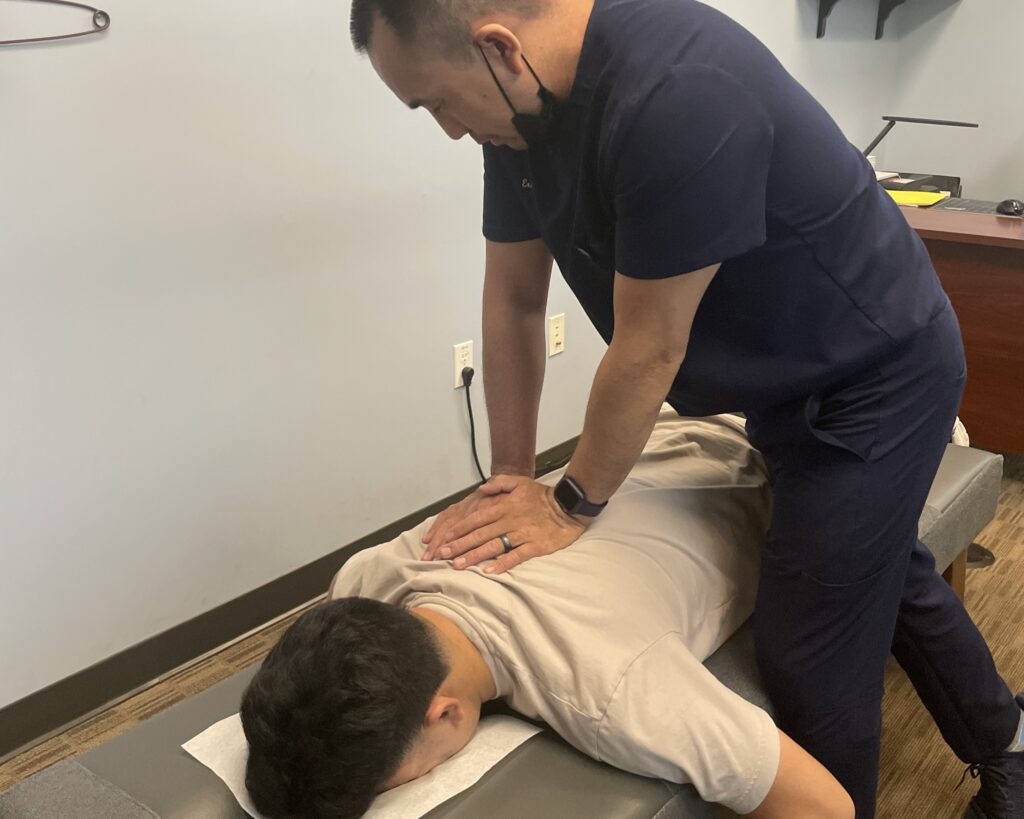
As we look towards 2025, managing migraines is set to evolve significantly, and chiropractic care will play a pivotal role in this transformation. Embracing a holistic approach that combines spinal adjustments, innovative technology, and lifestyle changes will be essential for effective migraine management.
Chiropractic care focuses on the alignment of your spine and nervous system, which can greatly impact your overall health and well-being. By addressing misalignments, we can help alleviate the tension and stress that often contribute to migraines. Regular adjustments can not only reduce the frequency of your migraines but also enhance your body’s natural ability to heal itself.
In addition to chiropractic adjustments, the future of migraine management will also incorporate personalized strategies tailored to your unique needs. Wearable technology that tracks your triggers—such as stress levels, sleep patterns, and dietary habits—will empower you to take control of your health. By being aware of what might trigger your migraines, you can make informed adjustments to your lifestyle.
Here are some practical tips to keep in mind as you embark on your journey towards migraine relief:
- Stay Hydrated: Dehydration can be a significant trigger for migraines. Make sure you drink plenty of water throughout the day.
- Maintain a Consistent Sleep Schedule: Establishing a regular sleep routine can help regulate your body’s internal clock and reduce the likelihood of migraines.
- Practice Stress Management Techniques: Incorporate relaxation techniques such as deep breathing, yoga, or meditation to help manage stress levels.
- Monitor Your Diet: Keep track of foods that may trigger your migraines, such as aged cheeses, chocolate, or caffeine, and try to limit their intake.
- Regular Chiropractic Visits: Make chiropractic care a regular part of your wellness routine. Consistent adjustments can help maintain spinal alignment, reduce tension, and ultimately minimize migraine occurrences.
By focusing on these strategies and prioritizing chiropractic care, you can take significant steps towards achieving optimal health and reducing the impact of migraines on your life. Remember, a proactive approach to your health is key, and with the right support, you can find relief and improve your overall well-being.
Understanding the Migraine Brain: Latest Research Insights
As we delve into the fascinating world of the migraine brain, it’s essential to understand how this knowledge can enhance your journey toward natural health and wellness. Research has shown that during a migraine attack, the brain exhibits unique responses that can be addressed through holistic approaches, including chiropractic care.
Certain neurochemicals, like serotonin and CGRP, are involved in triggering those painful episodes. By focusing on the body’s natural healing mechanisms and promoting balance within the nervous system, chiropractic adjustments can help alleviate the strain on your body and potentially reduce the frequency and intensity of migraine attacks.
Additionally, it’s important to recognize the brain’s remarkable ability to adapt, known as brain plasticity. This means that while some treatments may be effective for one person, they may not be for another. Chiropractic care not only targets the spine but also supports the overall health of your nervous system, allowing your body to respond better to stressors and manage pain more effectively.
To empower yourself in managing migraines, consider these simple tips:
- Stay Hydrated: Dehydration can trigger migraines. Drink plenty of water throughout the day.
- Maintain a Regular Sleep Schedule: Aim for consistent sleep patterns to help regulate your body’s rhythms.
- Practice Stress Reduction Techniques: Incorporate activities like yoga or deep breathing exercises, which can complement the benefits of chiropractic care.
- Regular Chiropractic Visits: Consistent adjustments can help keep your spine aligned, improving your overall health and possibly reducing migraine occurrences.
Innovative Wearable Technology for Tracking Triggers
Understanding your migraine triggers is essential for managing them effectively, and innovative wearable technology can play a helpful role in this journey. Devices like smartwatches and specialized headbands can track different factors that may be contributing to your migraines. These wearables often come equipped with sensors that monitor your heart rate, sleep patterns, and environmental conditions, offering you valuable insights in real time.
By logging your symptoms and daily habits, you can easily spot patterns that may be leading to your migraine episodes. For example, if you notice that your migraines tend to increase after a night of poor sleep or during stressful periods, having this data can be beneficial when discussing your health with a chiropractor. They can help you develop a holistic approach to managing your migraines through natural methods such as spinal adjustments and lifestyle modifications.
Additionally, many of these devices provide reminders for essential self-care practices like staying hydrated and taking breaks to relax. Staying proactive about your health is crucial, and integrating these reminders can help you maintain a routine that supports your overall well-being.
As technology continues to advance, these tools will become more integrated into our daily lives, offering personalized feedback to help you understand your triggers better. However, it’s important to remember that while these devices can provide insights, the best path to optimal health often lies in natural healing methods like chiropractic care.
By addressing spinal health and ensuring your nervous system functions properly, you can enhance your body’s ability to cope with stress and pain, ultimately improving your quality of life. Incorporating regular chiropractic visits into your routine can be a game changer in managing migraines.
Your chiropractor can assist in identifying underlying issues, suggest lifestyle changes, and provide adjustments to relieve tension that could be contributing to your headaches. Embrace these natural methods for a healthier, more balanced life!
Breakthrough Medications: Targeting Pain Pathways
With recent advancements in understanding how migraines work, it’s important to consider natural approaches to managing this challenging condition. Many people are seeking relief from migraines without relying on medications, and chiropractic care offers a holistic solution that focuses on the health of your spine and nervous system.
Chiropractic care works by addressing misalignments in the spine that may contribute to tension and pain. By ensuring that your spine is properly aligned, you can help reduce the frequency and intensity of migraine attacks. Chiropractors use gentle adjustments to improve spinal function, which can enhance blood flow and reduce nerve irritation—two factors that can play a role in migraine onset.
In addition to chiropractic adjustments, there are several lifestyle tips you can incorporate to support your overall wellness and mitigate migraines naturally:
- Stay Hydrated: Dehydration can trigger migraines, so be sure to drink plenty of water throughout the day.
- Maintain a Regular Sleep Schedule: Consistent sleep patterns can help reduce the likelihood of migraines. Aim for 7-9 hours of quality sleep each night.
- Practice Stress Management: Stress is a common migraine trigger. Techniques such as deep breathing, meditation, and yoga can help you manage stress levels effectively.
- Monitor Your Diet: Certain foods may trigger migraines in some individuals. Keep a food diary to identify any potential triggers and try to avoid them.
- Regular Physical Activity: Engaging in regular exercise can improve your overall health and help reduce the frequency of migraines. Aim for at least 30 minutes of moderate exercise most days of the week.
- Consider Chiropractic Care: Regular chiropractic visits can help maintain spinal health and prevent migraines. Your chiropractor can provide personalized care and advice tailored to your specific needs.
By focusing on these natural methods, you can take control of your migraine management and work toward a healthier, more comfortable life.
Lifestyle Modifications for Long-Term Relief
Managing migraines can sometimes feel overwhelming, but making simple lifestyle changes can lead to significant long-term relief. As a chiropractor, I believe that addressing the root causes of your discomfort through natural methods is key to achieving optimal health.
One effective way to start is by adjusting your diet. Certain foods can trigger headaches, while others can help alleviate them. Consider keeping a food diary to identify any patterns between what you eat and when you experience migraines. Incorporating more whole foods, such as fruits, vegetables, and whole grains, can also promote overall wellness.
In addition to dietary changes, incorporating stress management techniques can play a crucial role in reducing the frequency and severity of your headaches. Practices such as deep breathing exercises, yoga, or even regular chiropractic adjustments can help alleviate tension in your body, ultimately leading to fewer migraines.
Speaking of chiropractic care, it’s an excellent choice for addressing headaches and migraines naturally. Chiropractors focus on spinal health and alignment, which can greatly impact how your body functions. By ensuring that your spine is properly aligned, you may experience better nerve function, reduced tension, and overall enhanced wellness.
Here are a few general tips and tricks to help you manage migraines more effectively:
- Stay Hydrated: Dehydration can be a major trigger for headaches, so make sure to drink plenty of water throughout the day.
- Maintain a Consistent Sleep Schedule: Aim for 7-9 hours of sleep each night and try to go to bed and wake up at the same time every day.
- Limit Caffeine and Alcohol: Both substances can contribute to headache frequency, so it’s wise to consume them in moderation.
- Regular Chiropractic Visits: Regular adjustments can help maintain spinal health, reduce muscle tension, and promote overall well-being.
By focusing on these lifestyle modifications and considering chiropractic care as a vital part of your health journey, you can take significant steps toward reducing migraines and enhancing your quality of life.
Dietary Adjustments for Relief
Although many factors contribute to migraine triggers, making dietary adjustments can significantly support your overall wellness and help manage your symptoms. As a local chiropractor, I believe that a holistic approach to health is key, and nutrition plays an important role in that.
Start by keeping a food diary to identify any potential migraine triggers, such as aged cheeses, processed meats, or alcohol. Once you know which foods seem to cause issues, consider eliminating them from your meals.
Also, incorporating magnesium-rich foods like spinach, nuts, and whole grains can be beneficial, as magnesium is known to help with muscle relaxation and may reduce the frequency of migraines.
Staying well-hydrated is crucial, so make sure to drink plenty of water throughout the day. Proper hydration not only supports your overall health but can also alleviate tension that might contribute to headaches.
Additionally, maintaining regular meal times can help stabilize your blood sugar levels, which can ease the occurrence of migraines.
Lastly, focus on a diet that includes a variety of fruits, vegetables, and healthy fats. These foods aren’t just good for your body but can also support optimal brain health and potentially lessen migraine symptoms over time.
Stress Management Techniques
How can managing stress effectively help alleviate migraine symptoms? As a local chiropractor, I can tell you that reducing stress is crucial for minimizing the likelihood of triggering migraines. When your body is under stress, it can lead to muscle tension and misalignments in your spine, which may contribute to headaches.
Incorporating natural techniques like deep breathing, meditation, or yoga into your daily routine can make a significant difference in your overall well-being. These practices help calm your mind and body, promoting relaxation and reducing tension.
Regular physical activity is another excellent way to release tension and boost your mood, and it can also support spinal health. Even simple activities like walking or stretching can help keep your spine aligned and your muscles relaxed.
Consider setting aside time each day for activities you enjoy, whether it’s reading, gardening, or spending quality time with loved ones. This can help you unwind and reduce stress levels.
Establishing a consistent sleep schedule is also essential for stress management and overall health. Quality sleep supports your body’s natural healing processes and helps maintain optimal spinal alignment.
By prioritizing these lifestyle modifications, including chiropractic care, you can create a healthier environment for yourself. Regular chiropractic adjustments can help keep your spine aligned, reduce tension, and promote overall wellness.
This holistic approach not only leads to fewer migraine episodes but also enhances your long-term relief and vitality. Remember, taking care of your spine is taking care of your health!
The Role of Diet in Migraine Management
Diet plays an essential role in managing migraines, and as a chiropractor, I believe in a holistic approach to health that includes not only spinal care but also lifestyle choices like nutrition. The foods you consume can either trigger or alleviate migraine symptoms. You may notice that certain items, such as aged cheeses, processed meats, and chocolate, can lead to headaches. Keeping a food diary can be a helpful tool to identify which foods affect you personally.
On the flip side, incorporating fresh fruits, vegetables, whole grains, and lean proteins into your diet can promote overall well-being and possibly reduce the frequency of migraines. Staying hydrated is equally crucial, as dehydration can trigger migraine attacks. Aim to drink plenty of water throughout the day to support your body’s natural balance.
Regular meal timings can also help maintain stable blood sugar levels, which may prevent migraines from occurring. It’s wise to be cautious with alcohol and caffeine since these can contribute to headaches for some individuals. By being mindful of your diet, you can take meaningful steps toward better migraine management.
Remember, while diet is important, regular chiropractic care can also play a vital role in achieving optimal health and relieving pain. Chiropractic adjustments can help align your spine, improve nervous system function, and enhance your overall wellness.
Mindfulness and Stress Reduction Techniques
As you manage the challenges of migraines, it’s important to consider how chiropractic care, alongside mindfulness and stress reduction techniques, can enhance your overall well-being. Chiropractic adjustments focus on aligning your spine, which can alleviate tension that may contribute to migraine triggers. By improving your spinal health, you can experience better overall body function and reduced pain.
Incorporating mindfulness practices into your daily routine can also be beneficial. Mindfulness helps you stay present and can significantly reduce anxiety, a common migraine trigger. Start with simple deep breathing exercises: inhale slowly through your nose, hold for a moment, and then exhale gently through your mouth. This grounding practice can help you manage stress effectively.
Meditation is another excellent technique to consider. Just a few minutes each day can clear your mind and lower tension levels. There are many apps and guided sessions that can help you get started, making it accessible for everyone.
Yoga is a fantastic addition to your wellness routine as well. It combines physical movement with mindfulness, promoting relaxation and flexibility. Many find that regular yoga practice helps reduce migraine frequency and severity.
Additionally, don’t underestimate the power of spending time in nature. Whether it’s a walk in the park or simply sitting outside, being outdoors can refresh your mind and lower stress levels.
By integrating chiropractic care and these mindfulness techniques into your life, you can create a supportive environment that not only helps manage your migraines but also promotes overall health and wellness.
Neuromodulation Therapies: What’s New?
As you look into the latest ways to manage migraines, it’s essential to consider the benefits of chiropractic care. While neuromodulation therapies are gaining attention, chiropractic offers a natural and effective approach to alleviate pain and promote overall wellness.
By focusing on spinal health, chiropractic adjustments can help improve the function of your nervous system, which plays a crucial role in how we experience pain, including migraines.
Emerging technologies may seem promising, but nothing beats the personalized care that chiropractic provides. When you visit your chiropractor, they can assess your unique situation and develop a treatment plan tailored just for you. This means you can enjoy more individualized care without the need for invasive procedures or medications.
Here are some general tips to help manage migraines naturally:
- Stay Hydrated: Dehydration can trigger migraines, so make sure to drink plenty of water throughout the day.
- Maintain Good Posture: Poor posture can contribute to tension in your neck and spine, leading to headaches. Be mindful of your posture when sitting or standing.
- Practice Relaxation Techniques: Stress is a common migraine trigger. Techniques like deep breathing, meditation, and yoga can help you relax and reduce the frequency of migraines.
- Regular Chiropractic Visits: Regular adjustments can help keep your spine aligned and reduce the frequency and intensity of migraines.
- Get Enough Sleep: Establish a regular sleep schedule to ensure you’re well-rested, as lack of sleep can trigger migraines.
By focusing on these natural strategies and incorporating chiropractic care into your routine, you can take control of your migraine management and enhance your overall wellness.
Emerging Technologies Overview
While traditional migraine treatments often involve medications and lifestyle changes, there are emerging techniques that can enhance your journey towards relief, and many of these can complement chiropractic care. Neuromodulation therapies, which aim to alter nerve activity through methods like targeted electrical stimulation or chemical modulation, are gaining attention.
However, instead of focusing solely on devices like transcranial magnetic stimulation (TMS) or implanted neurostimulators, it’s essential to consider holistic approaches that naturally support your body’s healing processes.
Chiropractic care can play a crucial role in managing migraines. By addressing misalignments in the spine, chiropractors help improve nervous system function and may reduce the frequency and intensity of migraine attacks. Regular spinal adjustments can enhance blood flow, relieve tension, and promote overall well-being, potentially reducing your reliance on medications.
Additionally, incorporating lifestyle changes such as maintaining proper hydration, practicing stress reduction techniques like yoga or meditation, and ensuring you get adequate sleep can greatly benefit your health and help manage migraines naturally.
Keeping a migraine diary to track triggers such as certain foods, stress levels, or sleep patterns can also empower you to make informed choices.
Remember, embracing chiropractic care alongside these wellness strategies can lead to a healthier, more balanced life. By focusing on the root causes of your migraines, you’re taking an important step towards a brighter, migraine-free future.
Always consult with a qualified chiropractor to explore the best approaches tailored to your individual needs.
Efficacy of New Devices
In the realm of migraine management, many people are exploring new devices in neuromodulation therapies, while also considering the benefits of holistic approaches like chiropractic care. As a local chiropractor, I want to share some insights into these innovations and emphasize the importance of natural healing methods for optimal health.
- Transcutaneous Electrical Nerve Stimulation (TENS): This device uses gentle electrical impulses to help reduce pain perception. While it can be beneficial, remember that chiropractic adjustments can also help alleviate tension and improve spinal alignment, which may contribute to reduced migraine frequency.
- Cefaly Device: This headband stimulates the trigeminal nerve, which can help lessen migraine severity and duration. However, chiropractic care offers a comprehensive approach by addressing underlying issues in the spine and nervous system, potentially leading to long-lasting relief.
- Nerve Stimulation Implants: Although these implants target specific nerves for chronic migraine relief, chiropractic care focuses on the whole body and its interconnected systems. By ensuring proper spinal health and function, we can often provide significant relief from migraines without the need for invasive procedures.
While these neuromodulation devices can be part of your journey to wellness, I encourage you to consider chiropractic care as a primary option for pain relief and natural healing.
Alongside regular adjustments, here are some general tips to help you manage migraines:
- Stay hydrated and maintain a balanced diet rich in whole foods.
- Practice relaxation techniques like deep breathing or yoga to reduce stress.
- Ensure you’re getting enough sleep and maintaining a consistent sleep schedule.
- Keep a migraine diary to identify potential triggers and patterns.
Personalized Treatment Approaches
With advancements in natural healing techniques, personalized treatment approaches are becoming increasingly accessible for those suffering from migraines. Chiropractic care can play a significant role in managing your migraines by addressing spinal alignment and overall body function.
By focusing on your unique migraine triggers and patterns, you may find that chiropractic adjustments lead to more effective relief. Techniques such as spinal manipulation can help improve blood flow and reduce tension in the nervous system, which might alleviate some of the pressure that triggers migraines.
Additionally, your chiropractor can work with you to integrate lifestyle changes, such as dietary adjustments and stress management techniques, to further support your wellness journey.
It’s important to remember that each person is different, and what works for one individual may not work for another. That’s why a personalized chiropractic plan, developed in collaboration with your provider, can be beneficial.
You won’t have to settle for a one-size-fits-all approach; instead, you can explore options that focus on your specific needs.
As you consider ways to enhance your quality of life and reduce the frequency of those debilitating migraine attacks, remember some practical tips: stay hydrated, maintain a regular sleep schedule, and practice relaxation techniques like deep breathing or yoga.
The Impact of Sleep on Migraine Frequency
While sleep is often overlooked in conversations about migraine triggers, its influence on the frequency and intensity of attacks is significant. Quality sleep is vital for managing migraines, and here are three key ways it can affect your well-being:
- Sleep Deprivation: When you don’t get enough sleep, your stress levels can rise, and your body may become more sensitive to pain. This heightened sensitivity can increase your chances of experiencing migraine attacks. To combat this, consider establishing a consistent sleep routine and prioritizing rest as part of your overall wellness plan.
- Irregular Sleep Patterns: An inconsistent sleep schedule can throw off your body’s natural rhythms, leading to hormonal fluctuations that may trigger migraines. To maintain balance, aim to go to bed and wake up at the same time each day. This simple adjustment can help regulate your body’s internal clock and reduce migraine occurrences.
- Sleep Quality: Poor sleep quality, which can be caused by issues like sleep apnea, can lead to fatigue and worsen migraine symptoms. Focusing on improving your sleep environment—such as creating a dark, quiet, and comfortable space—can enhance your overall sleep quality. Additionally, practicing relaxation techniques before bed can promote deeper, more restorative sleep.
Incorporating chiropractic care into your wellness routine can also play a vital role in reducing migraine frequency. Regular chiropractic adjustments can help alleviate tension and misalignments in the spine, which may contribute to headaches and migraines.
Building a Personalized Migraine Management Plan
Creating a personalized migraine management plan can significantly improve your quality of life, especially when you consider the unique triggers and symptoms you experience. Start by keeping a detailed journal or using an app to track your migraines. Note when they happen, how long they last, and any potential triggers such as certain foods, stress levels, or changes in the weather. This information is essential for recognizing patterns, which can help you take proactive steps toward relief.
As a chiropractor, I encourage you to explore natural healing methods. Regular chiropractic adjustments can help alleviate tension in your spine and neck, which may contribute to migraine pain. Consult with me about how spinal alignment can play a crucial role in managing your headaches. Chiropractic care focuses on treating the root cause of discomfort rather than just masking symptoms, making it a great option for those seeking natural wellness.
Incorporating relaxation techniques, like meditation or gentle yoga, can also help manage stress, a common migraine trigger. These practices promote overall well-being and can enhance the benefits of chiropractic care.
Don’t overlook the importance of healthy habits! Prioritize a consistent sleep schedule, stay hydrated, and eat a balanced diet rich in whole foods. Regular exercise is beneficial too, but listen to your body and choose activities that feel good for you.
Lastly, remember that your migraine management plan should be flexible. As you notice changes in frequency or intensity, adjust your approach accordingly. By focusing on natural healing through chiropractic care and healthy lifestyle choices, you can achieve better management of your migraines and enjoy a higher quality of life.
Conclusion
As we step into 2025, it’s the perfect time to embrace a holistic approach to managing migraines, and chiropractic care stands out as a key player in this journey. By focusing on spinal health and natural healing, you can significantly transform your experience with migraines. Regular chiropractic adjustments can help alleviate tension, improve blood flow, and support your overall nervous system, making it an excellent choice for pain relief and wellness.
In addition to chiropractic care, consider incorporating wearable technology to monitor your symptoms and lifestyle changes that promote healthier living. Simple adjustments to your daily routine, such as staying hydrated, practicing mindfulness, and making dietary changes, can also play a crucial role in reducing migraine triggers.
Don’t forget the power of personalized care! Work with your chiropractor to develop a tailored plan that suits your unique needs. This could include specific exercises, posture correction, and advice on ergonomic living. With the right support, you can improve your overall well-being and enhance your quality of life.
Remember, effective migraine management is achievable, and chiropractic care can be your trusted partner in this journey towards natural wellness. Take control of your health today!